




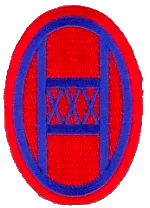
 The 30-ID then pushed east behind the 2d Armored Division, taking Nonancourt on 21 August. It crossed into Belgium on September 2, and advanced over the Meuse River at Visé and Liège on September 11. The 120-IR occupied Lanaye (Holland) and captured the locks intact the same day, and on September 14, the 117-IR and the 119-IR advanced into Maastricht (Holland).
 The 119-IR and the 120-IR attacked toward the West Wall north of Aachen and the former reached positions commanding the Wurm River on September 18. The division attacked across the river between Aachen and Geilenkirchen on October 2 against strong German opposition, and the following day the 117-IR seized Ubach after house-to-house fighting as the 119-IR finally captured Limburg Castle. The division was assisted by the 2d Armored Division as it continued slow progress in the West Wall but was checked by a German counter-attack on October 9 which isolated the 119-IR at North Wuerselen.
 The encirclement of Aachen was completed regardless on October 16, when the division made contact with the 1st Infantry Division. The division then rested and next attacked south in the Würselen area on November 16. It won the Battle for Warden on November 18 and the 120-IR captured Lohn on November 23 and then held it against two German counter-attacks. The division reached the Inde River on November 28 with the capture of Altkirch and cleared most of the region between the Inde and the Roer by December 14. In response to the German Ardennes counter-offensive the division was rushed to the Malmédy Stavelot sector on December 17, 1944.
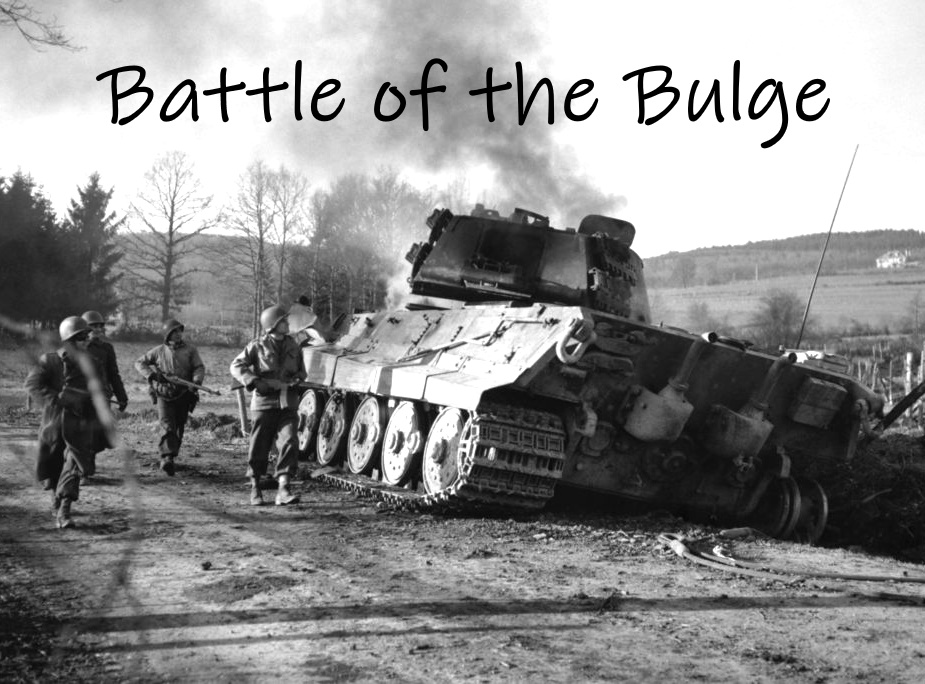
German Counter-Offensive
News reached the Regiment on December 16, that the German High Command had that day launched a large-scale offensive to our south, and that it was using paratroopers (Fallschirmjäger) up and down the front. Patrols were dispatched at once from all battalions to keep an eye out for enemy parachute troops, and the Intelligence and Reconnaissance Platoon had the mission of scouting the Birk – Euchen – Broichweiden area. Between Bardenberg and Birk, enemy soldiers were thought to have landed by night and to be lurking in fields and harassing traffic. Rear echelons were out in force, and a few prisoners were rounded up. Men of the 120-IR will remember Sunday, December 17. They will remember returning from the religious services in the little church and chapel of Broichweiden, thinking how near the war seemed, planning for as merry a Christmas season as possible in the devastated German country town. Company commanders had already cleared out day rooms and platoons had cut their own Christmas trees.
 Suddenly, at about noon, the entire Regiment was alerted. With misgiving, troops received hasty orders to be ready to leave by 1600; hurriedly, the men rolled their packs. King Co had been relieved from its positions in Viehhofen at 1100 that morning by the 17-Cav Recon, and at noon had just reached Kohlsheide, close to Kerkrade, where the men had been promised they would have two weeks’ recuperation period. Unloading had not been completed nor had billets been assigned when the disappointing word came: ‘Prepare to move’. The 17-Cav Recon was relieved from attachment to the 120-IR and attached to the 29th Infantry Division. Word came that the entire 30-ID was on the move; our Regiment was to join the convoy behind the other two. Darkness came and the men grabbed what sleep they could before climbing the organic and Quartermaster vehicles which were to take them – where?
The real story reached the men much later and sifted down slowly. In brief, it was as follows with typical German strategy, the Wehrmacht had struck in the least suspected and lightly defended area in the Belgian Ardennes. It was here that in 1940 they had attacked through Belgium to France, with Paris as their target. Now they were trying again to cross the shadowy Ardennes. They had a new target: Antwerp; and a new object: to split the Allied Armies and isolate the troops in the North. This was their immediate object, but more important in the Nazi mind was the breaking up of an Anglo-American winter drive in this sector which would certainly be coordinated with the Russian winter offensive. They succeeded in delaying our drive into Germany, but they were to pay an expensive price.

 FM von Rundstedt chose the approximate boundary between two American Corps, the V, and the VIII, for his main strike, and wedged his way through St Vith toward Bastogne. Once his spearhead had blasted its way almost to St Hubert he apparently planned to knock out both flanks and widen his breakthrough. Here is where the 120-IR entered the picture.
Movement to Belgium
The Command Post at Langweiler closed at 2230 on December 17 and the Regimental Convoy departed at midnight. Down the highway through Broichweiden to Aachen, battered and ghostly in the dead of night, trailed the entire Division. Enemy aircraft were active; men were alert for bombing and strafing; flares in rapid succession lighted up the roads from all sides; ack-ack guns sputtered on both flanks.
The convoy was unharmed, however, and moved steadily forward to an area in the vicinity of Hauset (Belgium). The Regimental CP opened at Eynatten (Belgium) at 0105 on the morning of December 18. The Battalions were placed in Regimental perimeter defense. The 117-IR was assembled to our south, the 119-IR to our southwest; forming a Division perimeter defense.
 The key to future operations came with the order that the 30-ID was now attached to the V Corps in the First Army, which was to contain the north flank of the breakthrough. Regiment closed its CP at Eynatten at 1027, December 18, and moved through the wooded, snow-sprinkled hills south of Eupen. About 2000 yards north of Malmedy (Belgium), at Bévercé (Belgium), the Regimental CP was established by 1300. In October, Yanks had first moved into Malmedy on the heels of the retreating Germans, found it the most hostile of the ‘liberated’ towns in Belgium, and remembered that the whole area before World War Two was German.
 On December 18, two battalions of the 120-IR moved through Malmedy to take up defensive positions outside the town which marked approximately the north flank of the German penetration. They found it a colorful, busy city, where GIs had once had recreation and amusement, and people who had never heard a shot fired were hastening up and down the streets. By now, US Army rear-area outfits whose signs still remained on the corners had left the area; most of them had abandoned equipment, food, and drink in an effort to escape the powerful Nazi counter-drive.
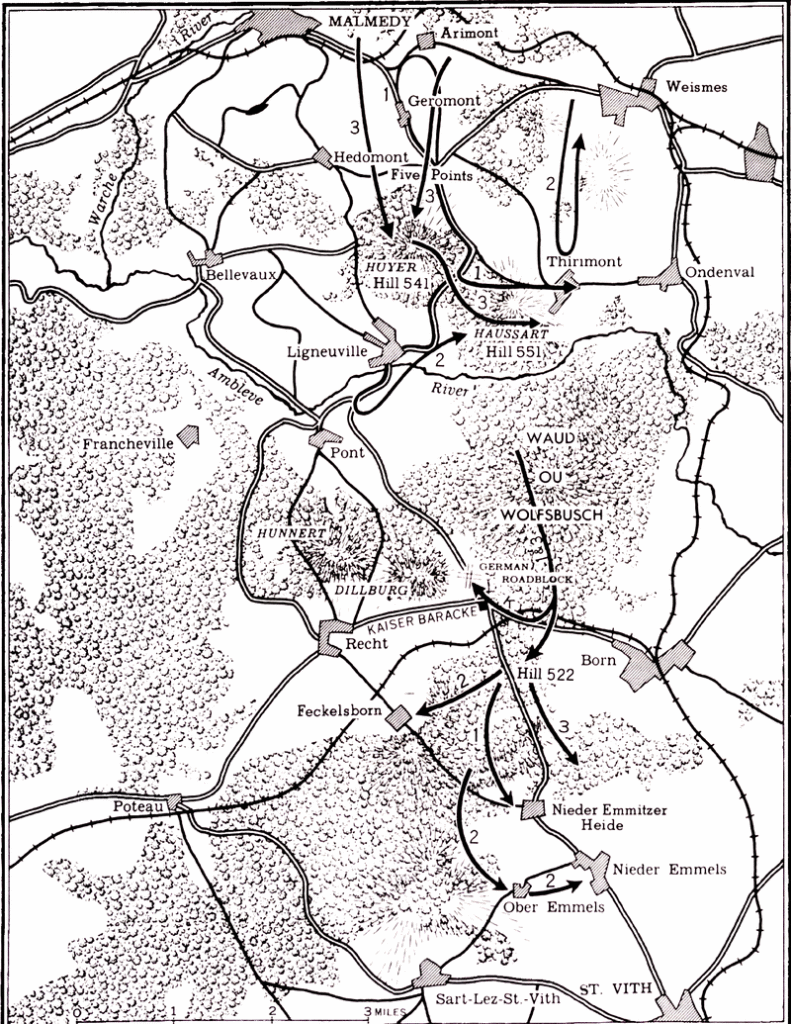

 The 1/120 took the Regiment’s left flank on the heights in the vicinity of Chodes (Belgium), where its CP was located. Two Companies, Able and Charlie were positioned to defend the
  town on a line parallel to the mountain crest road which, farther west, ran down into Malmedy; the position also encompassed the hamlets of Boussire and G’Doumont.
 Originally in reserve, Baker Co was later detached from the 1/120 and attached to the 3/120, which had meanwhile deployed itself to protect the south and southwest of Malmedy, including a large portion of the highway
 leading to Stavelot, as yet in enemy hands. This latter town was later wrested from the Germans with extreme difficulty by the 117-IR.
 The 2/120 remained at Bévercé in the Division reserve, setting up roadblocks and planning front-line reinforcement in case of a German attack. George Co moved to
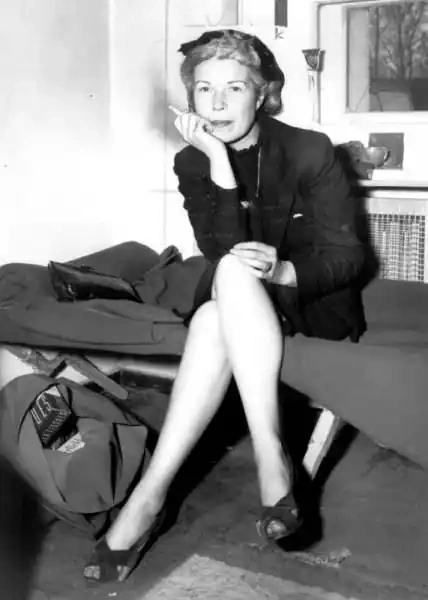
  Francorchamps (Belgium) to set up an additional defense around the Division Headquarters. As the men dug in on the heights above the town, they laughed about one of Goebbels’ master propaganda tales, broadcast by ‘Axis Sally’ (Mrs Mildred E. Gillars) from Berlin during the Division’s journey to Belgium. On the way to halt the German drive was, as ‘Sally’ called it, ‘the 30th Infantry Division, Roosevelt’s elite SS troops’.

Defense
The 3/117, had established some defense lines around Malmedy early on December 18. The next day, however, Item Co, 120-IR relieved the battalion of the 117-IR, and the 120-IR assumed responsibility for the defense of the Malmedy sector. Control of the road nets was an important factor in the defense of this area. The Wehrmacht had been successful in its drive because, though tanks had been canalized by the wet weather, armor had been able to crash through all  blocks. The defense was the order of the day. Positions were dug deeper and camouflaged more skillfully. The 1/120 sent a patrol east, which contacted the 16-IR (1-ID) at Weismes (Belgium)(Waimes) at 1528; a one-squad contact outpost was established at once. Combat patrols moved to the southeast but did not contact the enemy.

 The Norwegian-American 99th Infantry Battalion (Separate) became attached to the Regiment and at once took positions around Bévercé with one company defending a bridge one-half mile southwest of the village, and another protecting the crossroads on the road Malmedy – Baugnez, southeast of Malmedy. The 30-Cav Recon, also attached, patrolled the road running west from
 Malmedy and south to Thioux. Other attachments were the 526th Armored Infantry Battalion (S) in positions along the road running parallel to the main highway southwest of Malmedy, the 291st Engineer Combat Battalion, manning
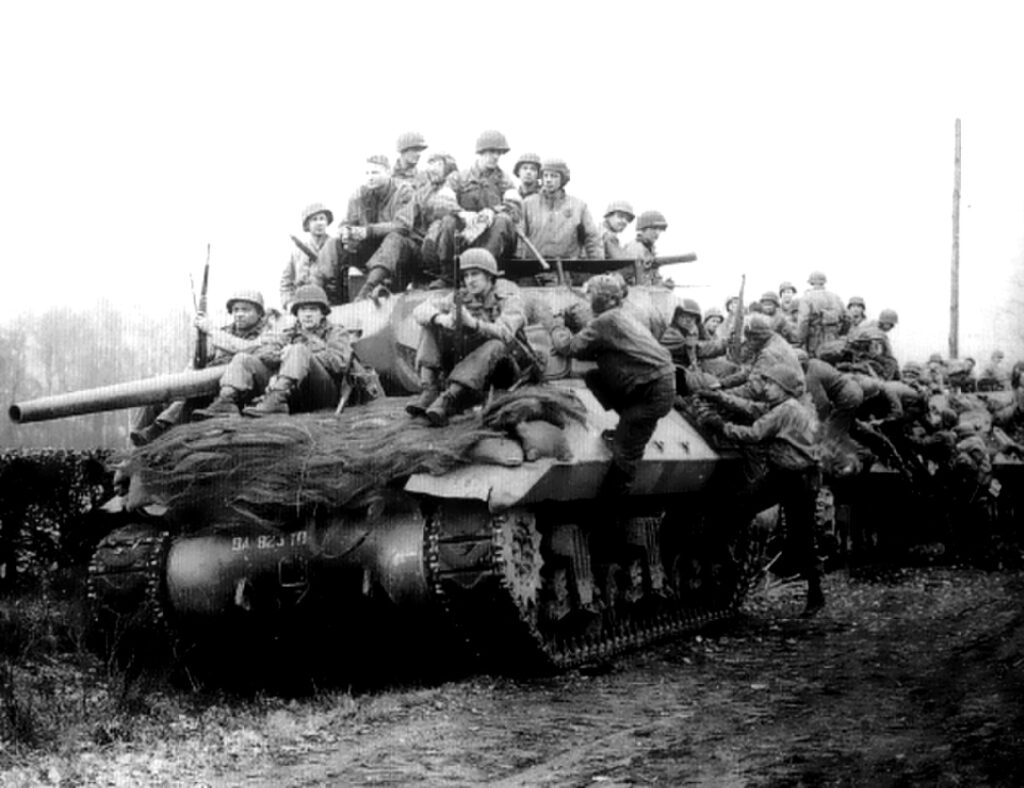
 roadblocks throughout the Regimental area, and the 823d Tank Destroyer Battalion. Tuesday, December 19, was pretty cold and wet, and soldiers of the Regiment were noting that civilians in the area spoke fluent German and had sons in the German army.
 The warning came from higher headquarters to trust no strangers, particularly civilians, since friendly elements had been fired on when they entered Malmedy. Suspicion was not to end with civilians, either, since three Germans had already been captured in American uniform, and 150 were reported to be operating similarly disguised behind our lines. And along with these disconcerting facts came the notice that a strong attack was to be expected at any time. Sensing trouble ahead the troops were alert and suspicious. Patrols were aggressive but found the enemy defending only key routes and strong points; it looked as though the main power was being withheld for an attack against us.
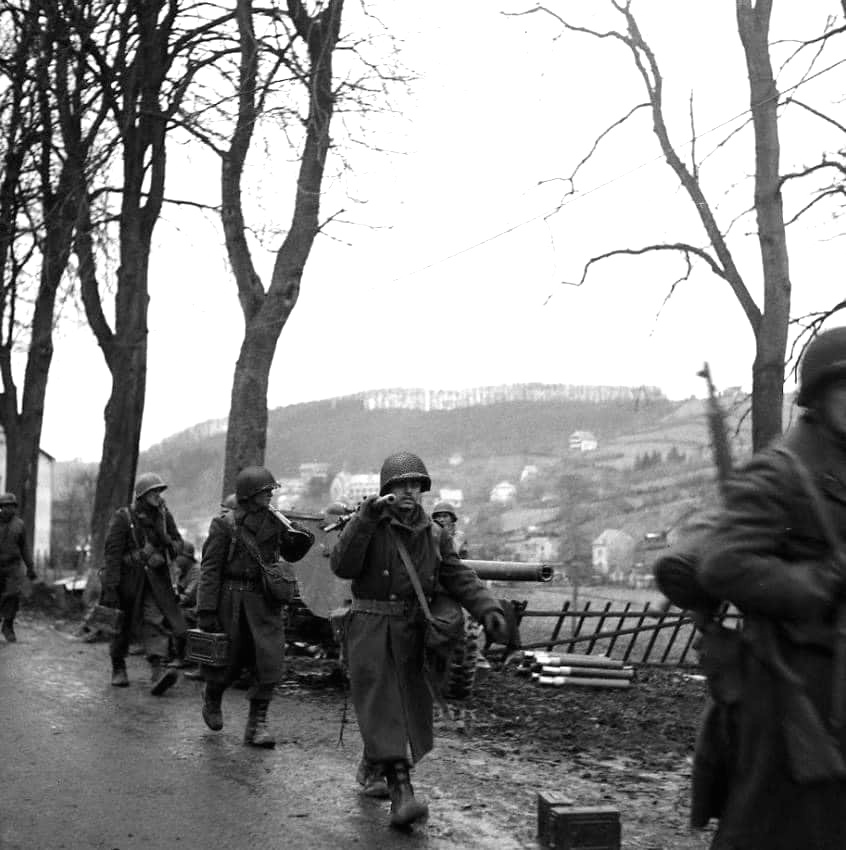
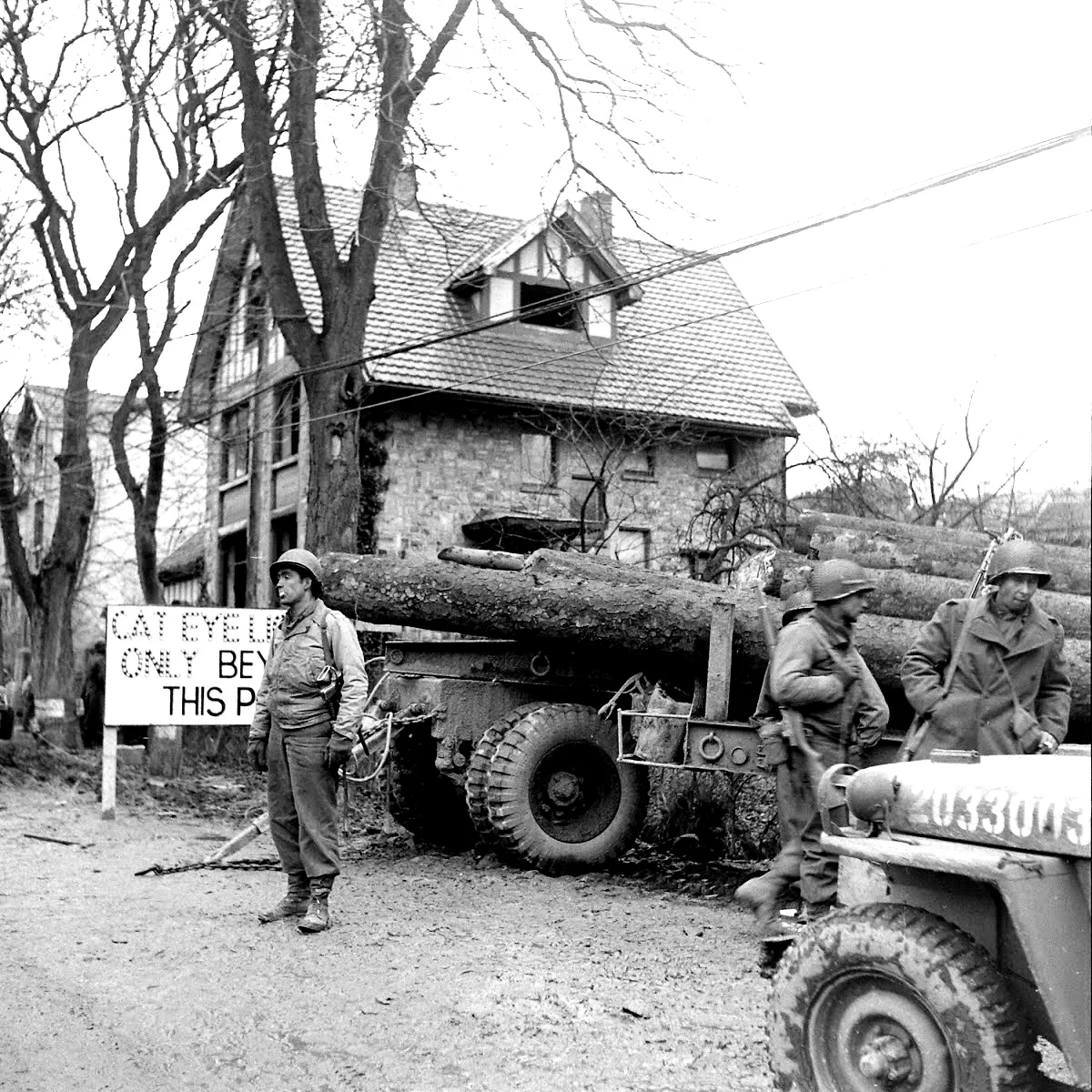
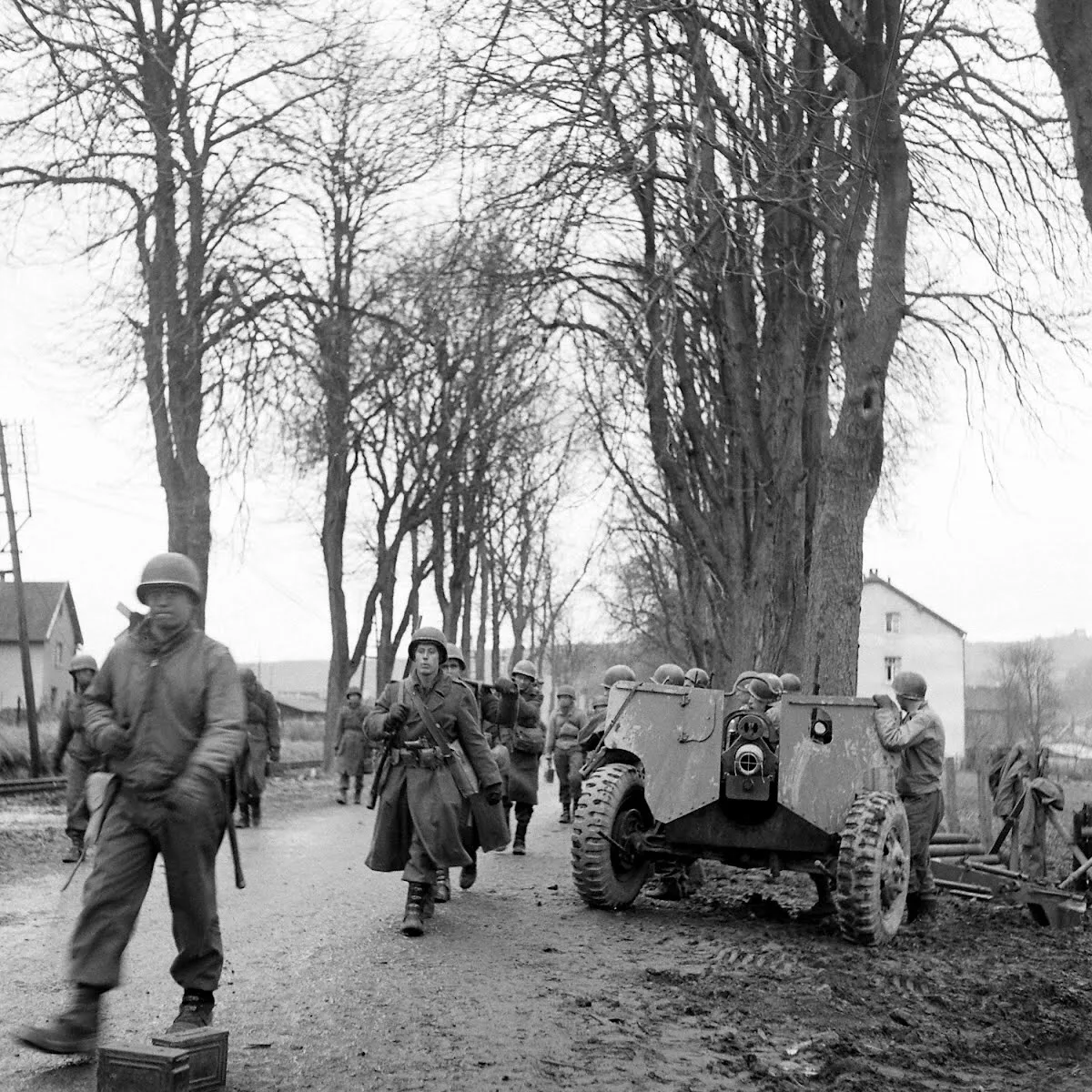
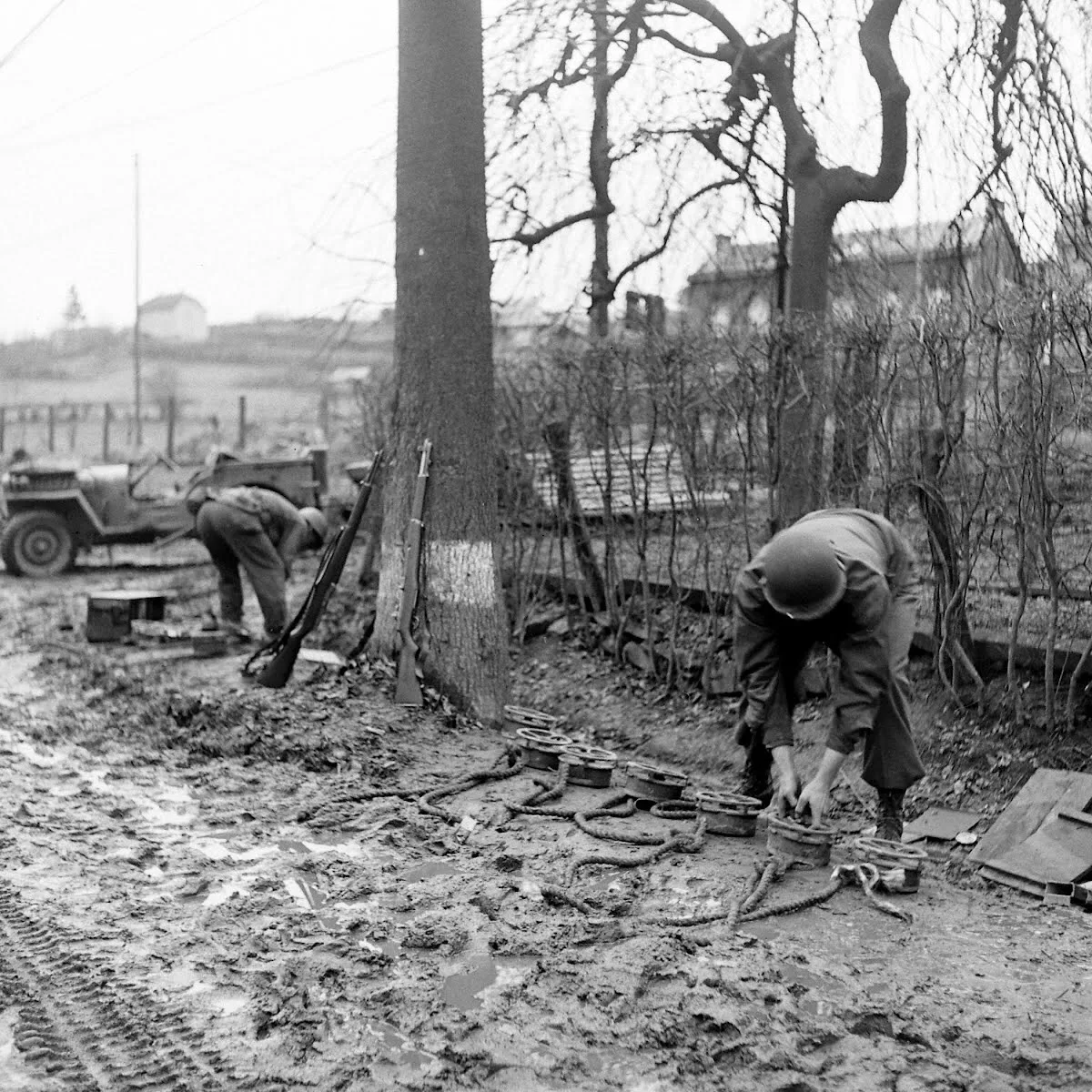
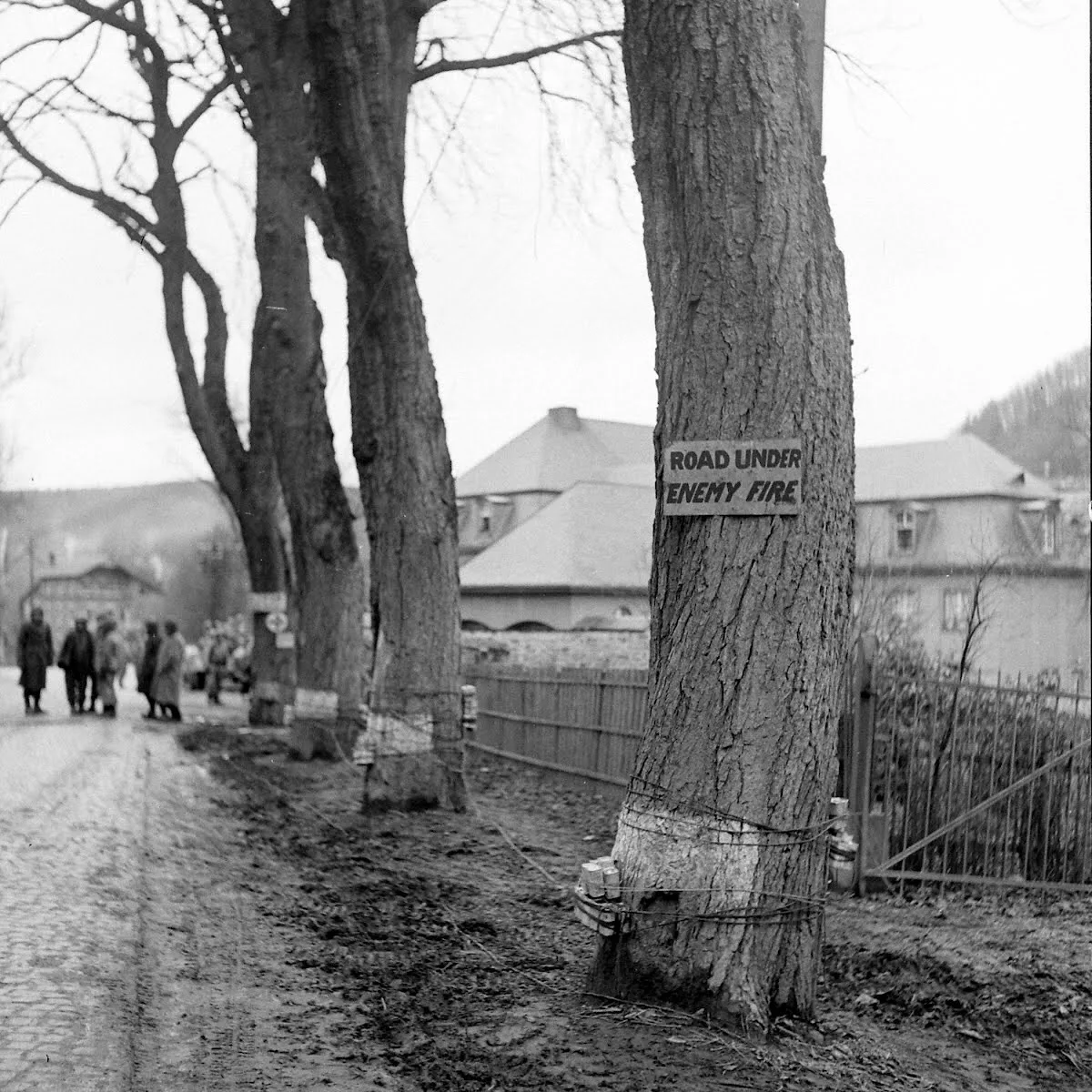
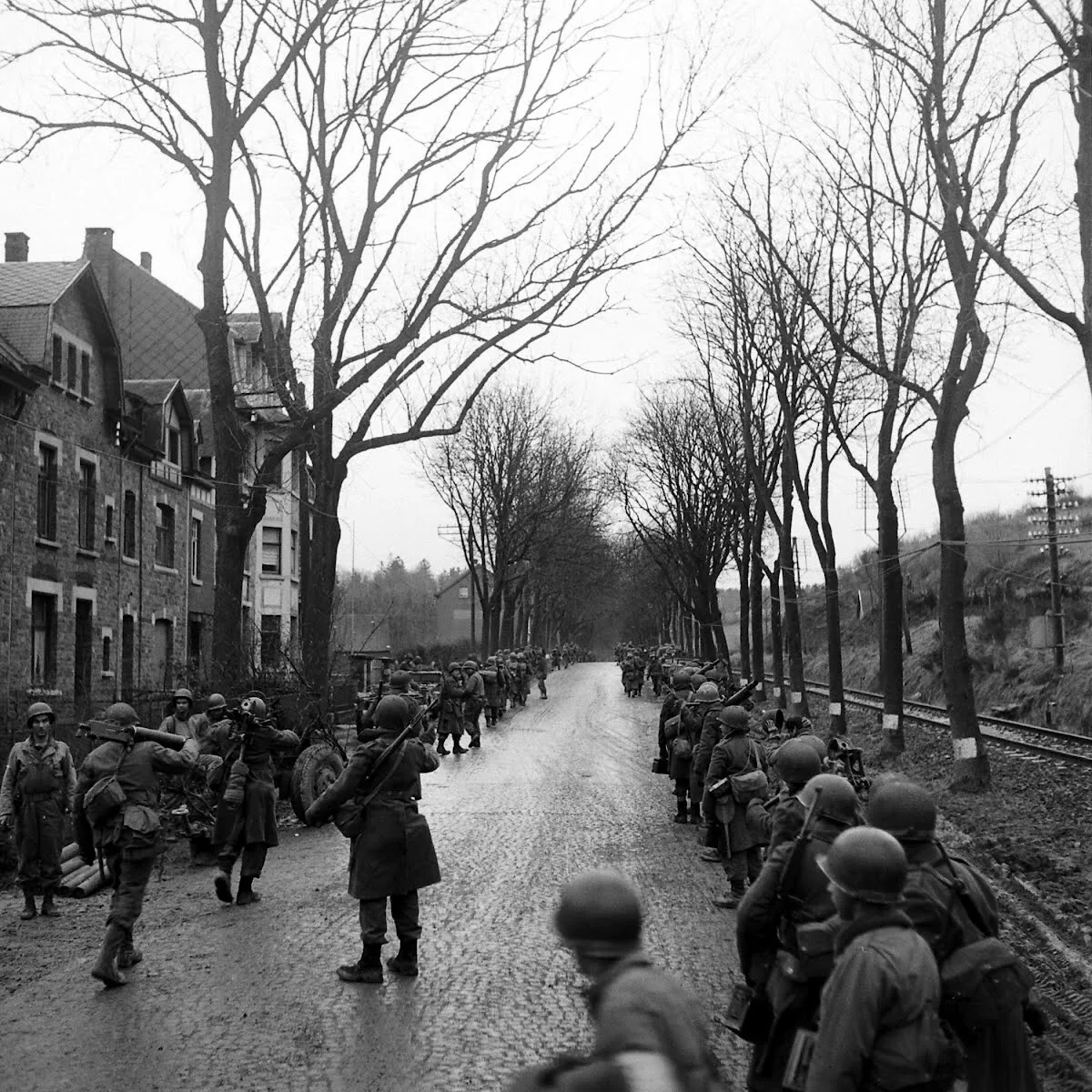
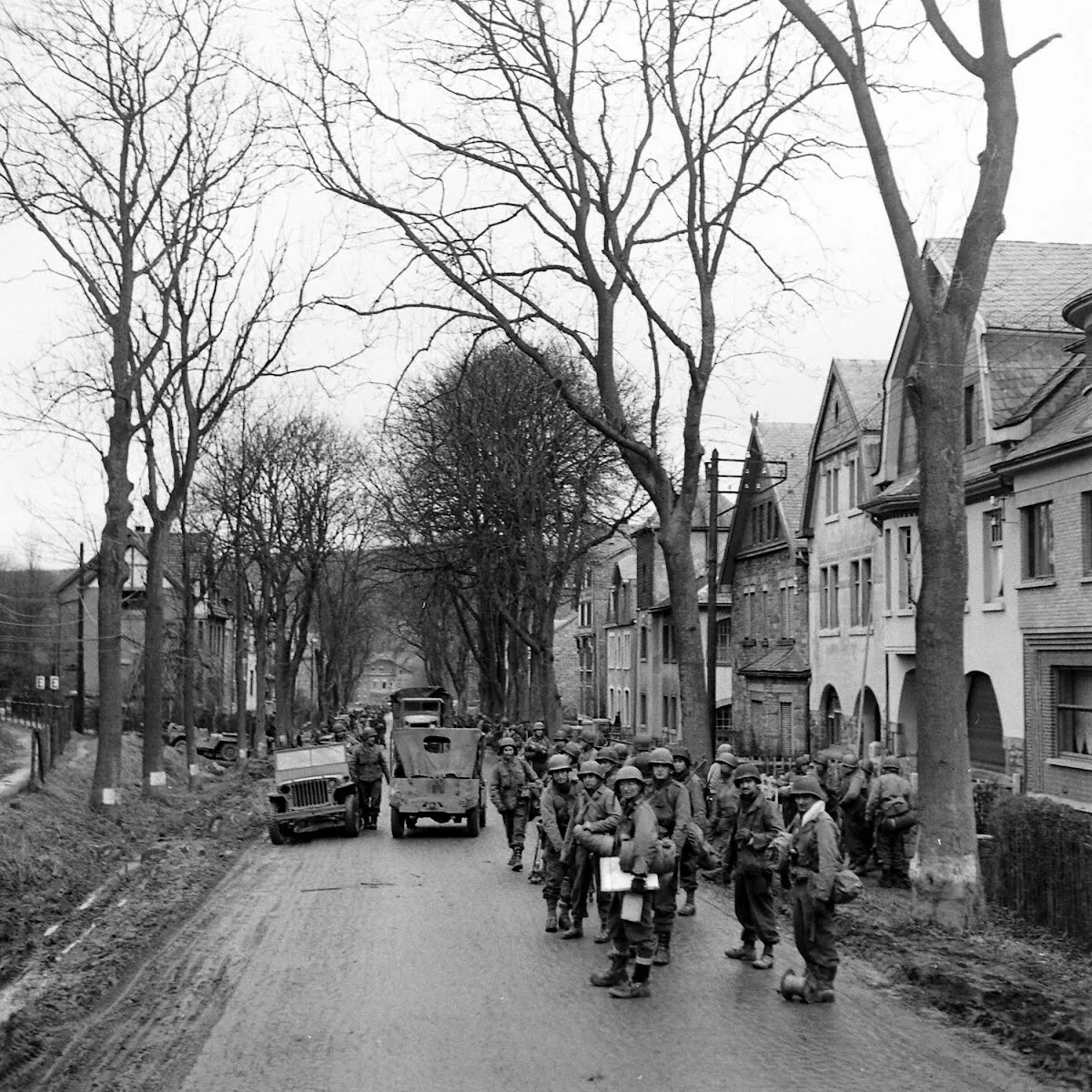
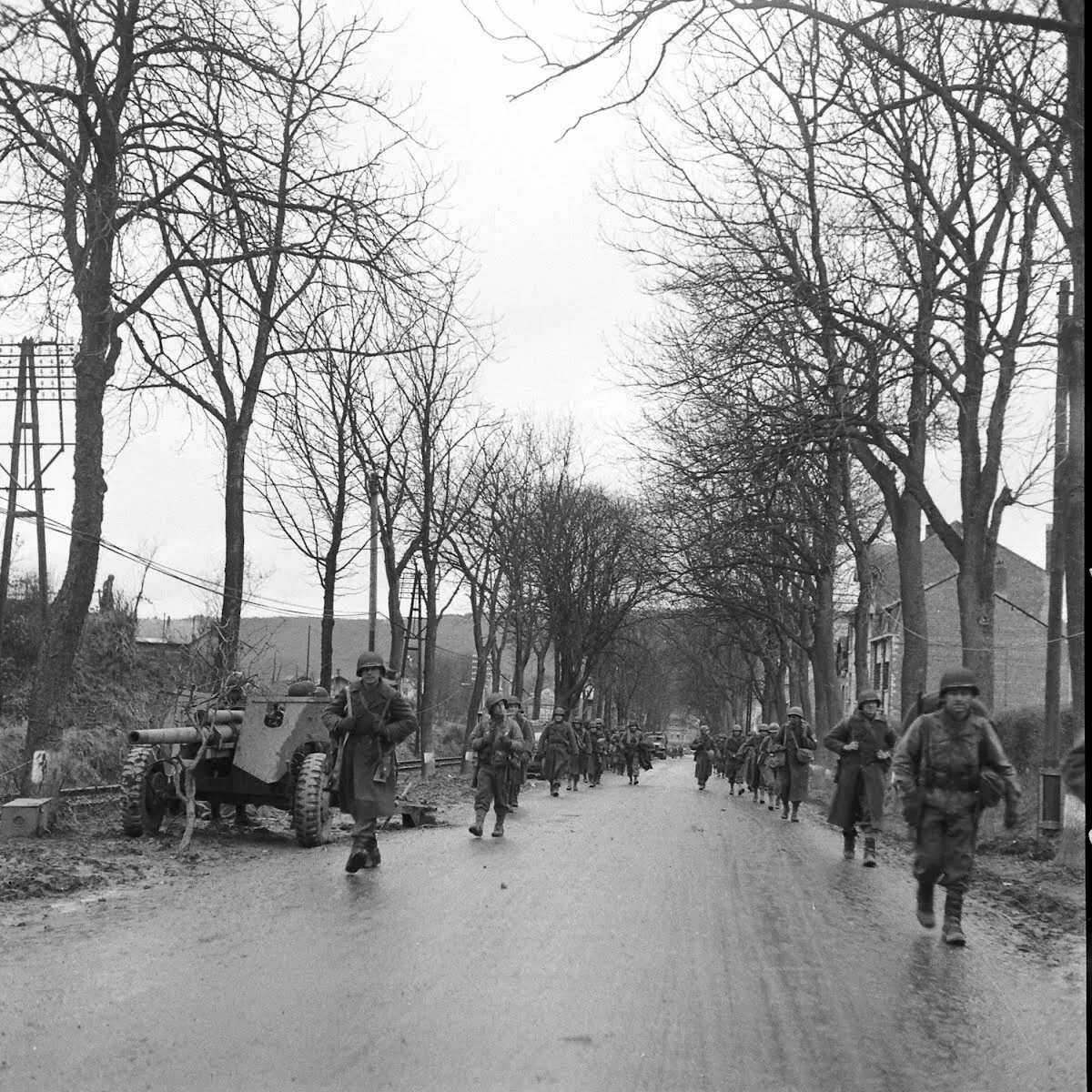
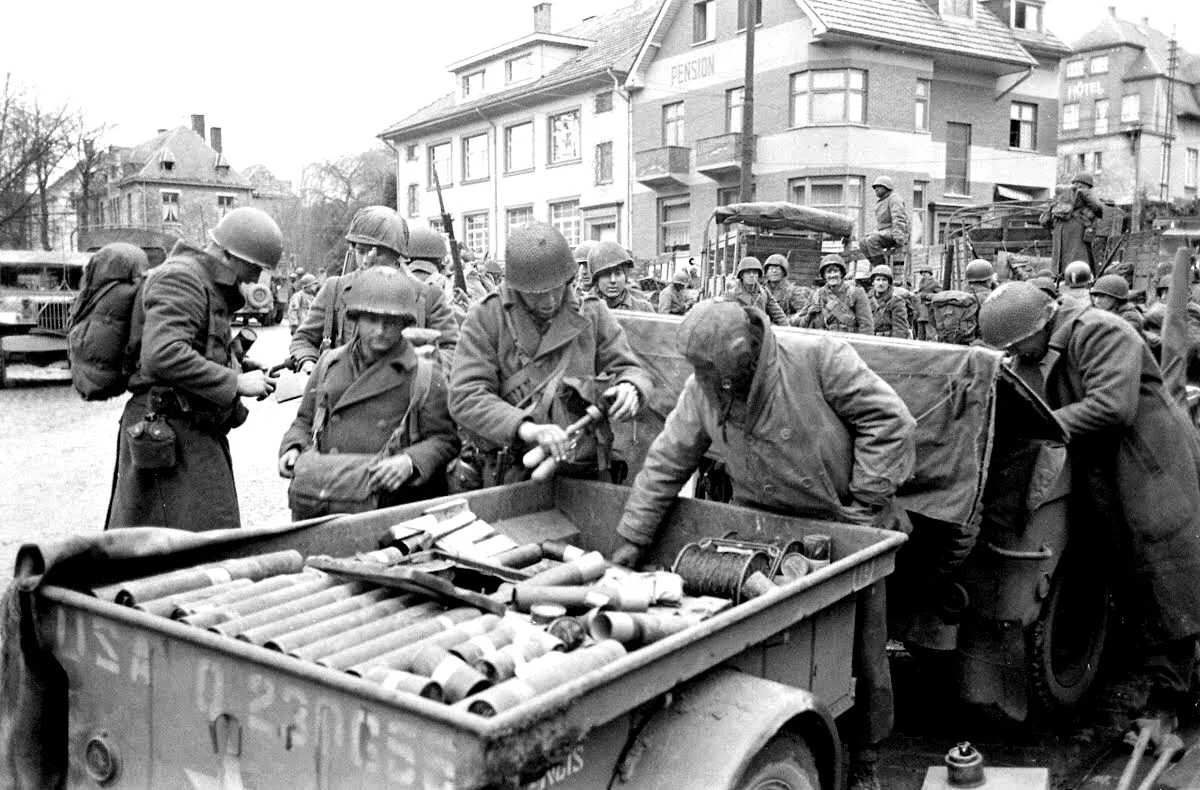
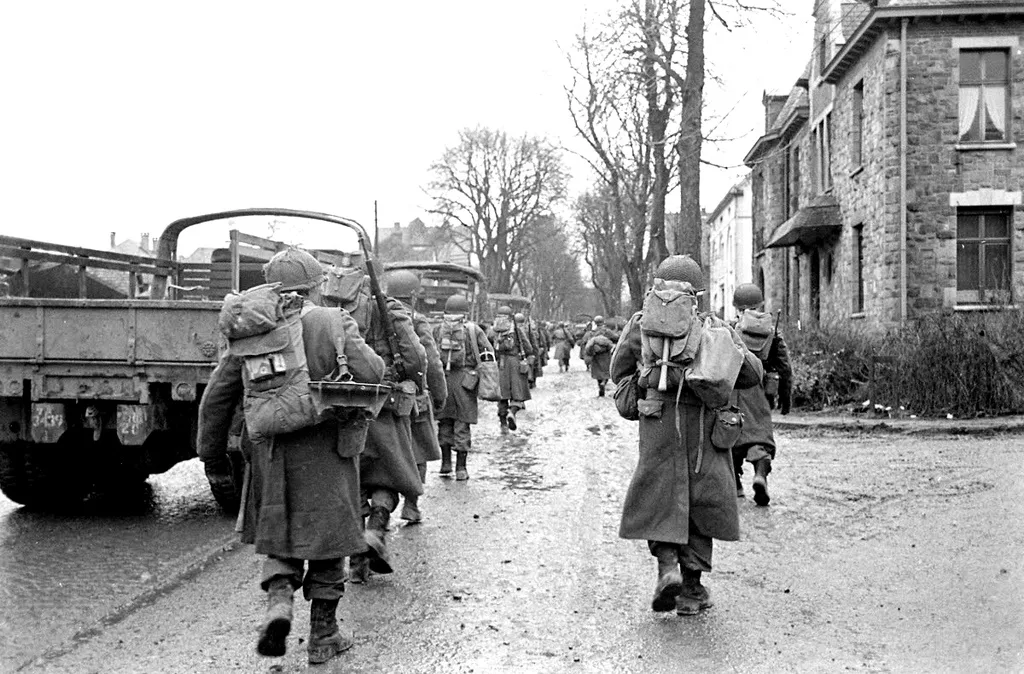
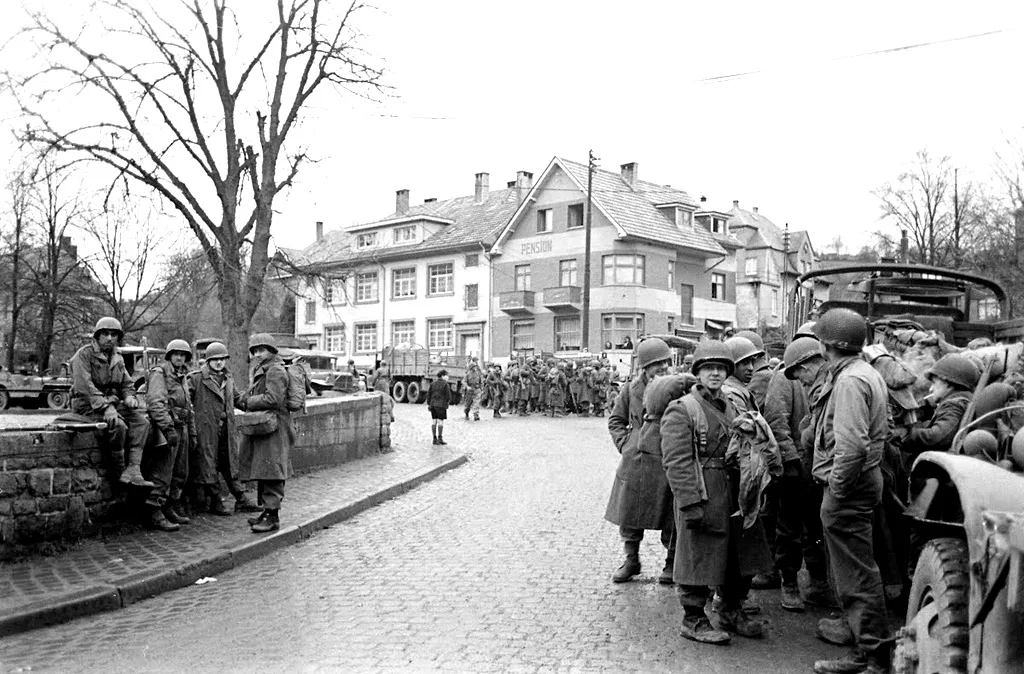
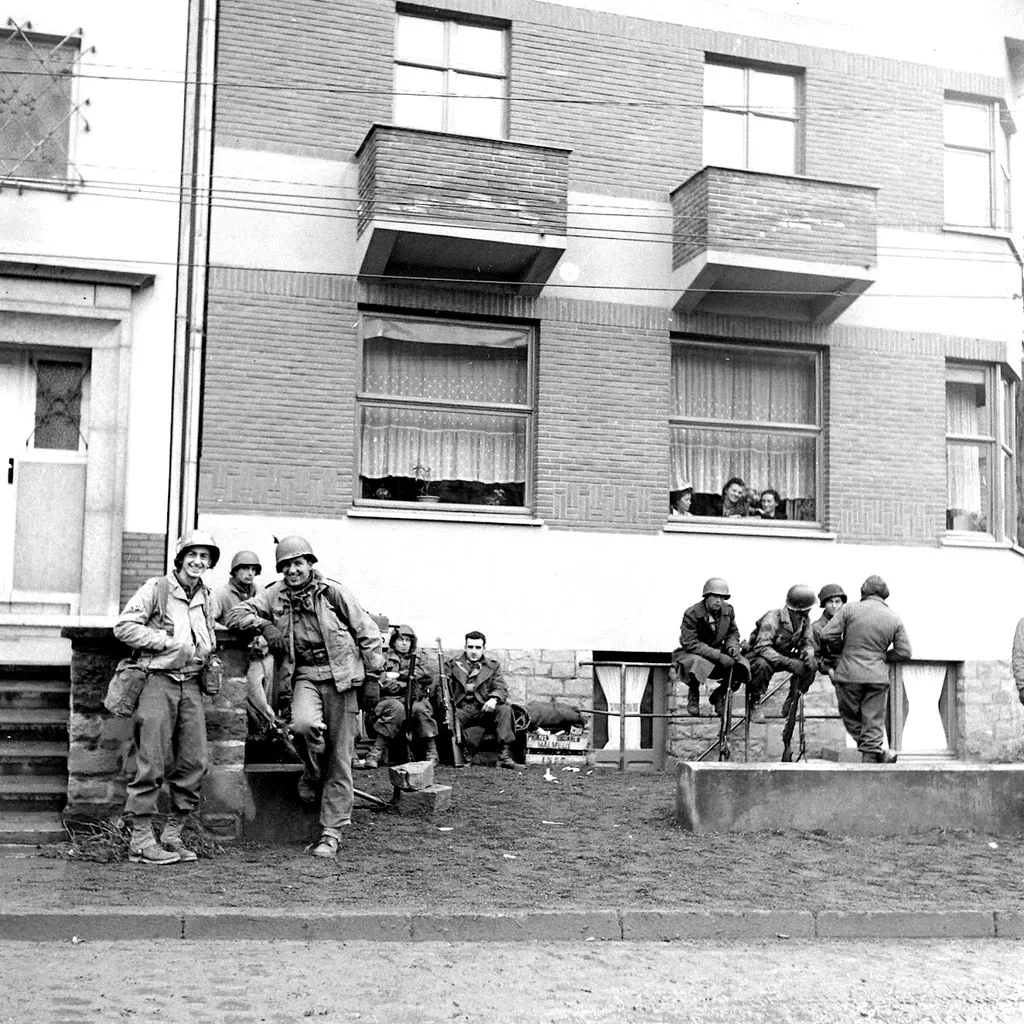
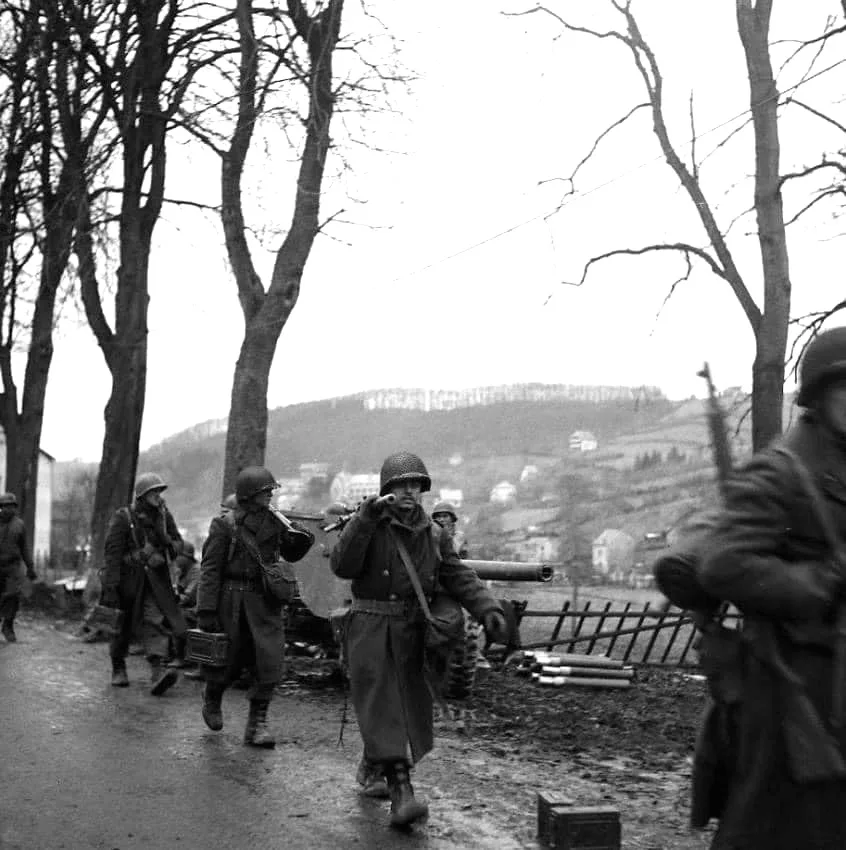
The following day, at 1330, the 1/120 moved from Chodes to the heights southwest of Weismes (Waimes). This operation brought our lines closer to those of the 16-IR (1-ID) and extended the Regimental area to the advantageous hills of Chivremont and Arimont. Able Co defended the 1/120 front while Charlie Co maintained contact with the 16-IR; Baker Co was relieved of attachment to the 3/120, reverted to 1/120 control, and took over the defense of the
 roadblock at the Avenue Monbijou. Baker 99-IB-(S), was then released from this defense, attached to the 3/120, and assumed the former positions of Baker 120, along the highway southwest of Malmedy. The 3/120 took over most of the 291-ECB roadblocks. The 30-ID was transferred from the V to the VIII Corps on this date.
 Pressure on the Regiment increased gradually, and light concentrations of artillery and mortar began landing in our area. In the late evening of December 20, Intelligence notified the front-line troops that enemy forces would probably hit our lines at about 0300 the next morning. Almost on the hour, a strong German motorized patrol ran into 1/120 defenses along the main road into Weismes (Waimes); a half-track bounced on several of our mines across the road, sent equipment (much of it captured from Americans) flying into the high oaks on either side of the road, and left several Germans burned hopelessly, one screaming intermittently all night. Another infantry beside the track was shot at and shelled; many surrendered. One prisoner had been a ballet manager and had taken his troupe to America before the war. In perfect English, he explained that America could never win the war, ‘for Germany has so many new secret weapons’! In the early daylight, the enemy performed another typical trick.
During the night, three Germans had driven a captured US M-8 scout car toward the crossroads in front of Able Co 120’s positions. There, another of our mines had knocked a wheel off the M-8, and the Germans had remained all night in a house near the crossroads. The next morning they found a jeep left by an outpost near the house; perceiving a comrade burned and only semiconscious on the road a few yards in front of our lines, they mounted the vehicle and rode boldly in front of our riflemen to where the wounded man lay. The jeep was challenged by the roadblock. The driver answered in thickly accented English, ‘You are crazy’! Hurriedly he picked up the moaning body and started to turn the jeep around. With rifle grenades, bazooka, and M-1, the doughboys of Able 120 blasted him. Two men were killed instantly; the other two were wounded and captured. With such unbelievable boldness and unflinching courage did the Nazi mind plan to befuddle the enemy and rule the world!


Again at 0430, the enemy struck, this time on the right flank, defended by the 3/120. Two companies of infantry with ten tanks moved against the positions beside the main highway running into Malmedy, apparently to seize the Malmedy – Stavelot road. Two outposts had been overrun when the enemy hit the paper mill. Near where the road crosses the Warche River a mile and a half southwest of Malmedy stood the paper mill. The road junction there was a strong point of the 3d Platoon of King Co. There, not far from the Company CP, the force of tanks with infantry paused, and while one tank maneuvered and attacked, the others gave supporting fire.
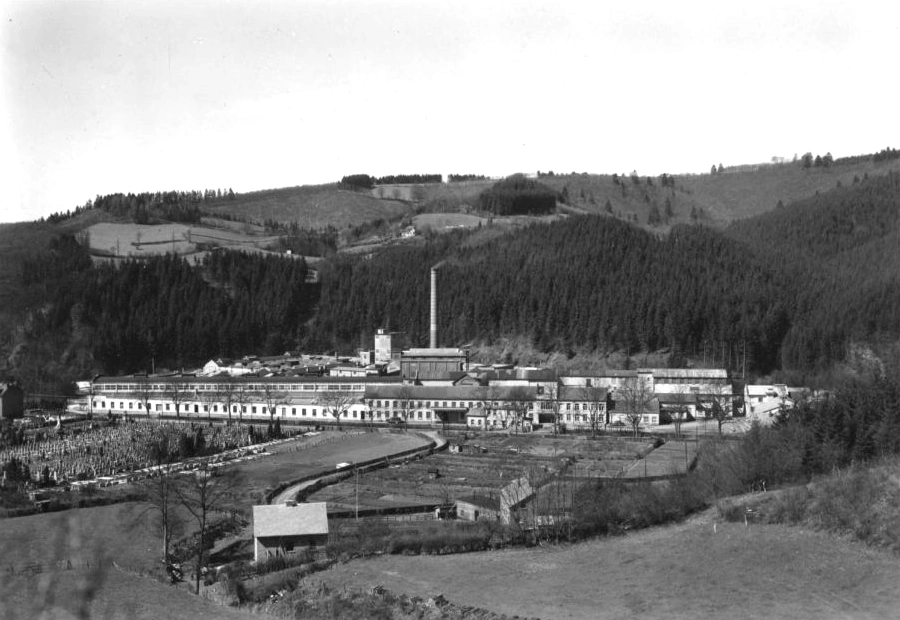 After six hours of fighting, men of the strongpoint, still holding the tanks at bay, repositioned themselves in and around the paper mill fifty yards away from their original holes. In crossing the treacherous river one man was hit by rifle enemy fire and his leg was broken. Pfc Leo Miller dragged him over the slippery stones under fire to the safety of the building. Pfc Francis S. Currey, BAR-man, had been firing energetically, but when he found a bazooka in the mill he picked it up eagerly and sought ammunition for it. The TD half-track across the road was known to hold some; and so with only one purpose, he rushed across the exposed roadway to procure the rockets. He then returned with the rounds, and from an advantageous, though exposed, position loaded for another man, Pfc Adam Lucero, who blasted the turret of a tank and knocked it out. Currey and Lucero tried to fire on other tanks from a second-story window across the street from the mill hut they were spotted after a short round. Currey took a bazooka out alone, and while Lucero covered him from the window he fired on a house that the enemy had captured and around which they had grouped their tanks.
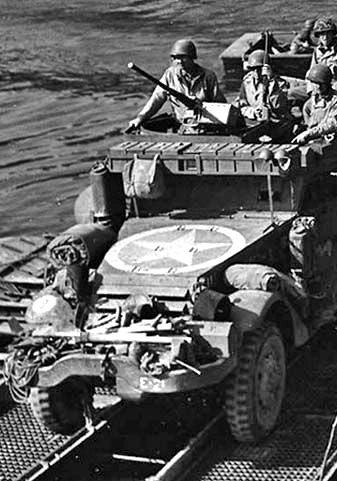 The Tank Destroyer half-track was not far away from him; Currey made a dash for it and pulled some anti-tank rifle grenades from the vehicle’s storage racks. These were likely M-9A1 or M-10 rifle grenades, used with the M-1 Garand’s grenade launcher adapter. From a flank position, he then fired all the rifle grenades and managed to damage three enemy tanks, possibly Panzer IVs or Panthers given the sector. The half-track was still inviting to Currey, and again he ran to it, turned the M-2 Browning Heavy Machine Gun, .50 caliber, mounted on the vehicle’s ring mount, against the enemy, and opened fire. The position was not advantageous, however. He spotted a better emplacement: a ground-mounted M-1919A4 light machine gun, caliber .30-06, near the bridge — approximately 30 yards away. It was jammed, but Currey cleared a ruptured cartridge case from the feed mechanism and immediately began delivering suppressive fire. His protective barrage allowed trapped men from the Tank Destroyer unit — pinned in shallow foxholes close to the German armor — to withdraw to safety without drawing further enemy fire.
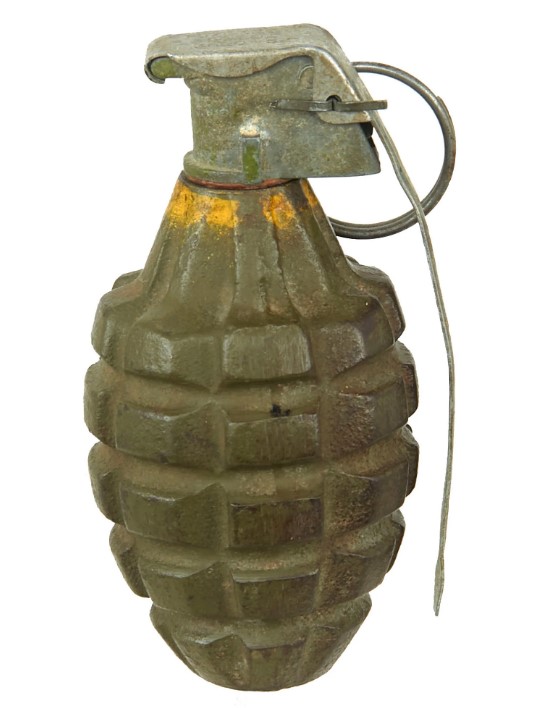 There were other great deeds that morning. The machine-gun platoon of Mike Co by 1/Lt Kenneth R. Nelson received the full fury of the attack. Concealed by fog, enemy tanks, and infantry, covering their advance with heavy fires, at times fought their way to within 20 yards of the platoon’s guns. Men of the platoon stubbornly returned this fire with machine guns, carbines, MK-2 fragmentation and M-15 white-phosphorous hand grenades with such effectiveness that one onslaught after another was repelled. Lt Nelson time and time again went from one position to another, constantly exposing himself to the enemy’s murderous fire, for the purpose of coordinating the platoon’s defensive fires. Lt Nelson thus exposed himself for several hours from 0430 to about 1000, when he was wounded seriously and refused to be evacuated, continuing to direct his platoon from the building to which he had been carried. There he died – a brave man.
