



Reviewed by Doc Snafu on April 9, 2026.
Document Source First US Army – G-2 Periodic Reports & Annexes – Annex 2 to First US Army G-2 Periodic Report No. 192 – Infiltration of Germans Disguised as US Troops – (PW: Billing, Schmidt, Krauss – Einheit Stielau / Stab Solar) Annex No. 2 to G-2 Periodic Report No. 193 23 December 1944 – Germans in American Uniform. First US Army PW Report (19 December 1944) (Statements: Billing, Schmidt, Krauss – Operation Greif context) Annex 2 (Continuation – PW Interrogation Material) (Greif Unternehmung, code word “Rheinland”, commando details). First US Army – Intelligence Instructions – Intelligence Instructions No. 1 – Headquarters First US Army 6 January 1945. Identifications Used by German Soldiers in American Uniforms. First US Army – Administrative Orders Confidential Directive (By command of Gen Hodges) 9 January 1945 (Handling of German KIA in American uniforms / Graves Registration) . First US Army – PW Interrogation Reports – PW Interrogation Report (Lt Günther Schulz, GAF) – Einheit Stielau / 150 Panzer Brigade – (structure, training, Grafenwöhr, mission details). PW Interrogation Report (various units) (German uniforms, deception, field observations). Corps-Level Intelligence Reports V Corps – Intelligence Summary (21 December 1944, 1800 hrs) (combat situation + infiltration indicators). VII Corps Periodic Report No. 197 (Malmedy / 285th FA Obs Bn account). VIII Corps Intelligence Summary (Condensed) (Charlemagne Brigade, Degrelle, 150 Pz Brigade context). 106th Infantry Division – G-2 Reports Annex No. 2 to G-2 Periodic Report No. 62 (Dissolution of 150 Panzer Brigade – 17 January 1945). Divisional / Field Intelligence (Various) Enemy Trends Reports (Dec 1944) (150-man infiltration structure, sabotage roles) Weather Reports (Dec 1944) (operational conditions) Counterintelligence Reports (use of US uniforms, dog tags, documents). Allied External Source 51st Highland Division (British) (field anecdote – Einheit Stielau infiltration).
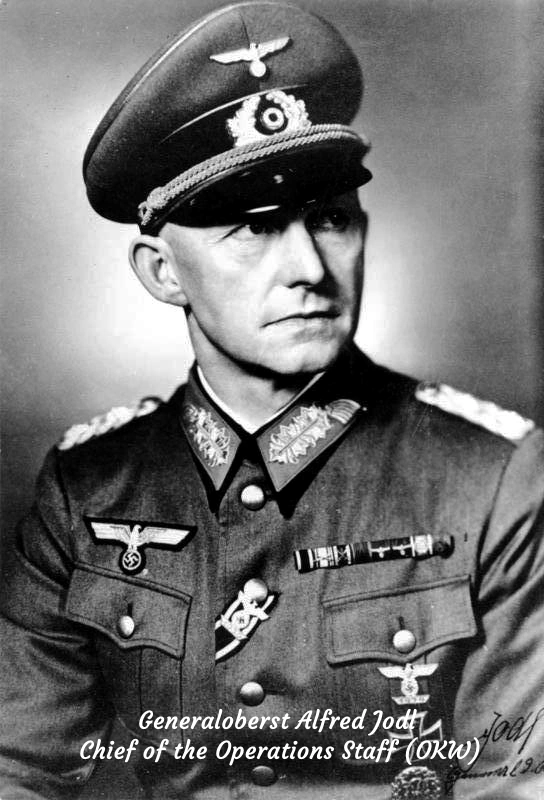 The formation later designated as Panzer-Brigade 150 developed within the framework of special operations associated with SS-Obersturmbannführer Otto Skorzeny, whose experience in commando warfare had already been demonstrated in earlier operations. The German code name assigned to this unit’s role in the Ardennes offensive was Operation Greif. The timing of the offensive imposed severe constraints, as Skorzeny was given only five to six weeks to recruit, organize, and train a new formation intended to operate behind Allied lines through deception, infiltration, and sabotage. Within a matter of days, Skorzeny submitted his proposals for the formation of Panzer-Brigade 150 to Generaloberst Alfred Jodl, Chief of the Operations Staff at OKW. Although he initially requested a strength of approximately 3300 men, authorization was granted without delay, accompanied by assurances of full support from higher command.
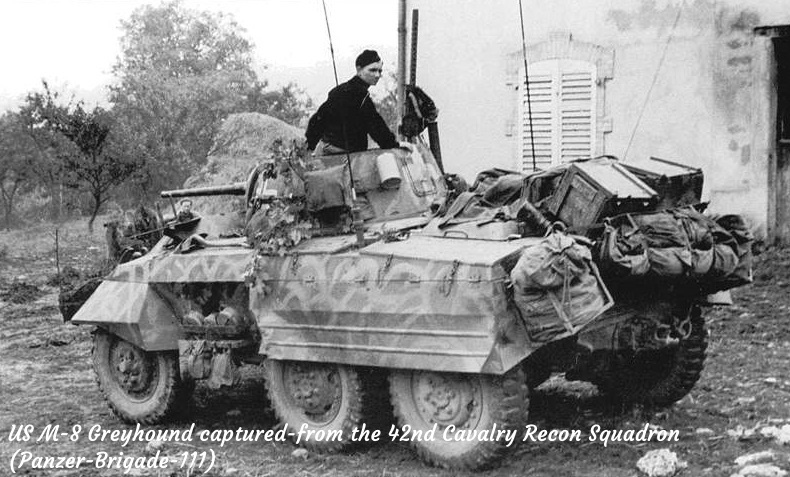
On October 25, 1944, the Oberkommando der Wehrmacht (OKW) issued orders throughout the Western Front calling for volunteers possessing knowledge of the English language, with particular emphasis on familiarity with American usage and pronunciation. This directive, widely circulated, did not remain entirely secret and was subsequently detected by Allied intelligence. Material requirements for the new formation were substantial and reflected the nature of its intended mission. Requests included American and British uniforms, as well as a wide range of vehicles and equipment, notably tanks, armored cars, self-propelled guns, jeeps, motorcycles, and trucks. These were to be assembled at the brigade’s training center at Grafenwöhr in eastern Bavaria. In practice, deliveries fell significantly short of requirements. Only a limited number of captured Allied vehicles were obtained, including a small number of jeeps, trucks, and a few reconnaissance vehicles, while the majority of the brigade’s equipment consisted of German vehicles modified and repainted to resemble American types.
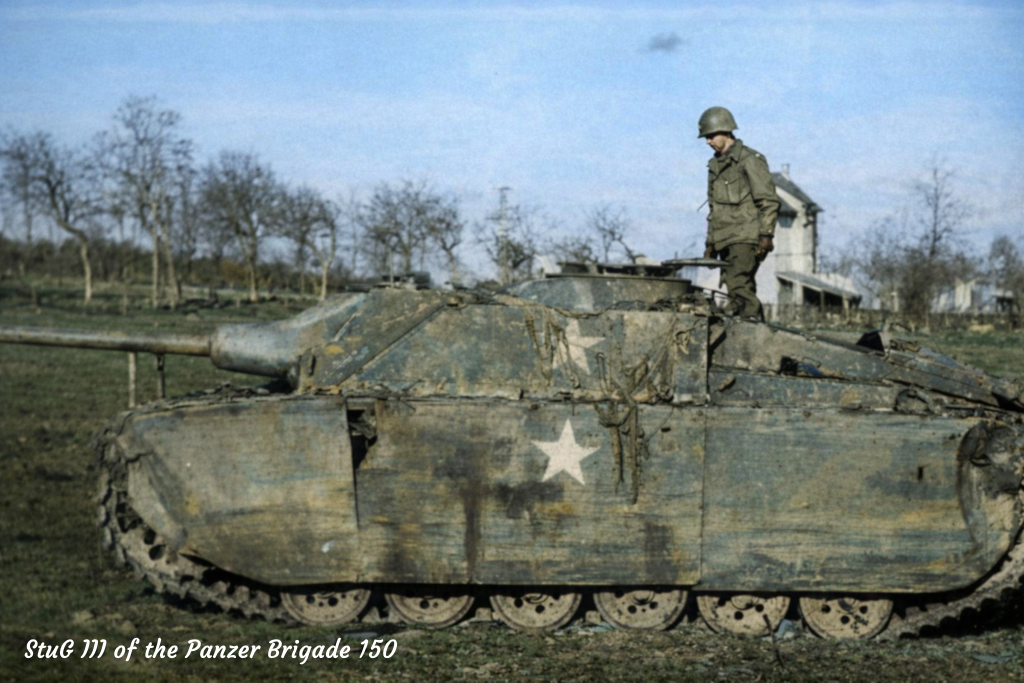
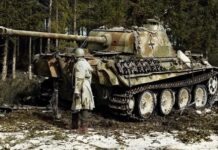
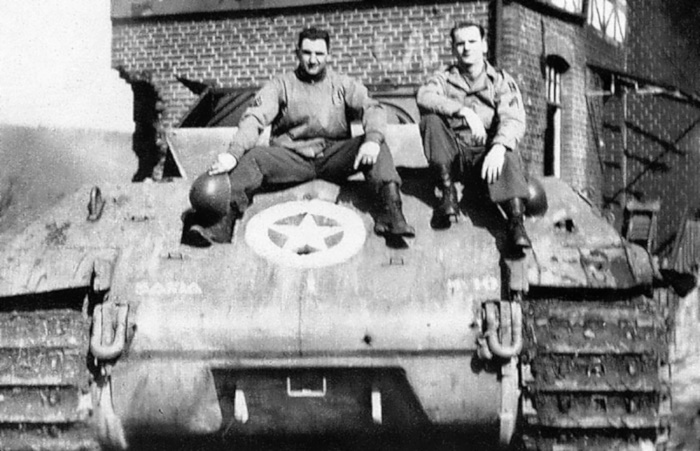
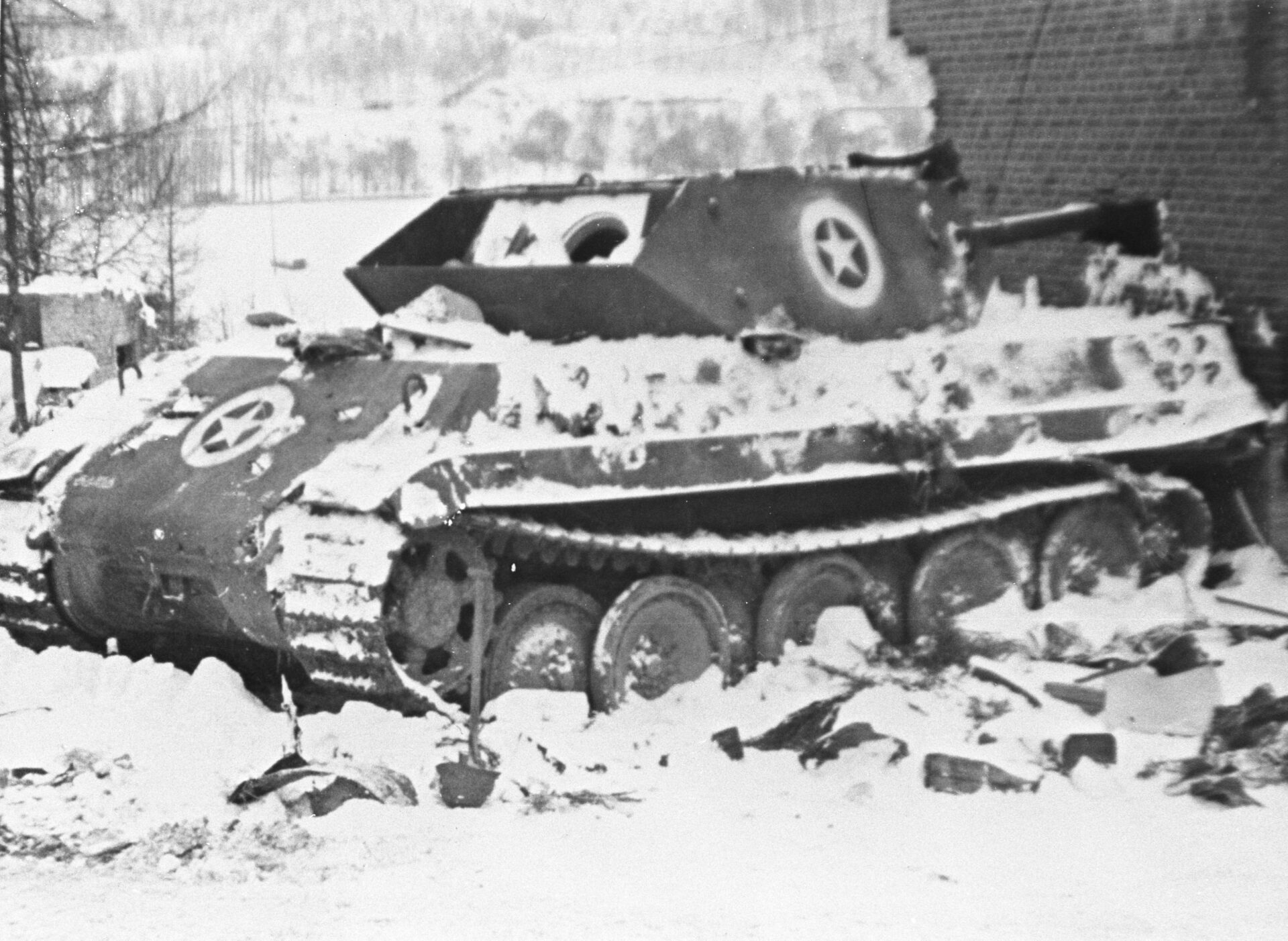
The shortage of suitable matériel extended to armored vehicles. Only a very limited number of American tanks were available, forcing reliance on German substitutes. Mark V Panther tanks were modified to resemble American M-10 tank destroyers through the application of improvised superstructures and alterations to their external appearance. These modifications, though sufficient at distance, were of limited effectiveness under close observation. Additional equipment supplied to the brigade included a mixture of foreign matériel, notably Polish and Russian items forwarded by units unaware of the specific purpose of the request.
Personnel recruitment presented similar challenges. Despite the broad call for English-speaking soldiers, only a small number possessed the level of proficiency required for effective deception. Reports indicate that approximately ten men spoke English fluently with some familiarity with American idiom, while a larger group possessed varying degrees of competence ranging from conversational ability to basic school-level knowledge. In response to these limitations, Skorzeny reorganized the brigade, reducing its structure and concentrating the most capable English-speaking personnel into a specialized commando unit designated Einheit Stielau (Oberleutnant Lothar Stielau). This unit formed the core of the brigade’s infiltration capability. In addition to these personnel, the brigade incorporated elements from SS-Jagdverbände formations, Fallschirmjäger units, and personnel drawn from armored and artillery branches. Luftwaffe parachute units and other specialized troops were also assigned, resulting in a composite formation numbering approximately 2500 men, significantly below the originally intended strength.
Training at Grafenwöhr reflected both the ambition of the concept and the constraints under which it was developed. Personnel were instructed not only in their specific technical roles but also in the simulation of American military behavior, including organization, insignia recognition, and conversational patterns. Einheit Stielau was organized into small, self-contained teams intended to operate independently behind Allied lines, typically using jeeps and other light vehicles to facilitate movement and deception. The identification of friendly elements within the brigade presented a critical problem, given the extensive use of American uniforms and equipment. Various recognition measures were therefore adopted, including visual signals and distinctive markings. Vehicles were sometimes marked with discreet symbols, while personnel employed combinations of gestures, clothing variations, and light signals to identify one another. These measures, though necessary, introduced an additional layer of complexity and reflected the inherent risks associated with the operation. Within this framework, Panzer Brigade 150 was conceived not as a conventional armored formation but as a hybrid force combining elements of commando operations, deception, and armored support. Its mission extended beyond direct combat to include the disruption of communications, misdirection of Allied movements, and the creation of confusion within rear areas. The integration of these functions within a single formation represented a departure from standard organizational practice and reflected the experimental nature of the operation.
Recruitment began in early November 1944 and extended across all branches of the German armed forces. Particular emphasis was placed on the selection of personnel possessing knowledge of the English language, preferably with familiarity with American idiom and pronunciation. Prisoner interrogations indicate that candidates were drawn from Army, Luftwaffe, and Naval signal units, and that selection procedures included linguistic evaluation conducted under supervision of mixed boards including SS, Luftwaffe, and Naval officers. Those deemed suitable were retained for specialized training, while others were returned to their original units. A significant proportion of selected personnel passed through facilities in the vicinity of Friedenthal, near Oranienburg, where initial screening and classification took place. Further preparation included exposure to American prisoners of war in camps where individuals were tasked with refining their spoken English and observing American behavior, terminology, and military customs. This phase, though limited in duration, was considered essential to the operational concept, which relied not merely on visual deception but on the ability to withstand direct interaction with Allied personnel.
The principal training center was established at Grafenwöhr, where the unit underwent intensive preparation. Here, the personnel later organized under the designation Einheit Stielau were structured into functional groups, including engineer detachments tasked with demolition, communications teams responsible for disrupting signal networks, and radio elements assigned to reconnaissance and transmission duties. Training encompassed American Army organization, recognition of insignia, vehicle operation, and behavioral simulation. Particular attention was given to the reproduction of American mannerisms, including speech patterns, informal expressions, and procedural responses to routine questioning. At this stage, material preparation proceeded in parallel. American uniforms, equipment, and documentation—including pay books, identification tags, and driver’s licenses—were distributed. Vehicles assembled for the operation included both captured American equipment and German vehicles modified to resemble Allied types. Reports indicate that approximately 300 vehicles, including tanks, halftracks, jeeps, and trucks, were altered with American markings. German armored vehicles, including Panthers, were fitted with improvised superstructures designed to approximate the silhouette of American armor when observed at distance. These modifications, though often crude, were considered sufficient for short-range deception under conditions of confusion.
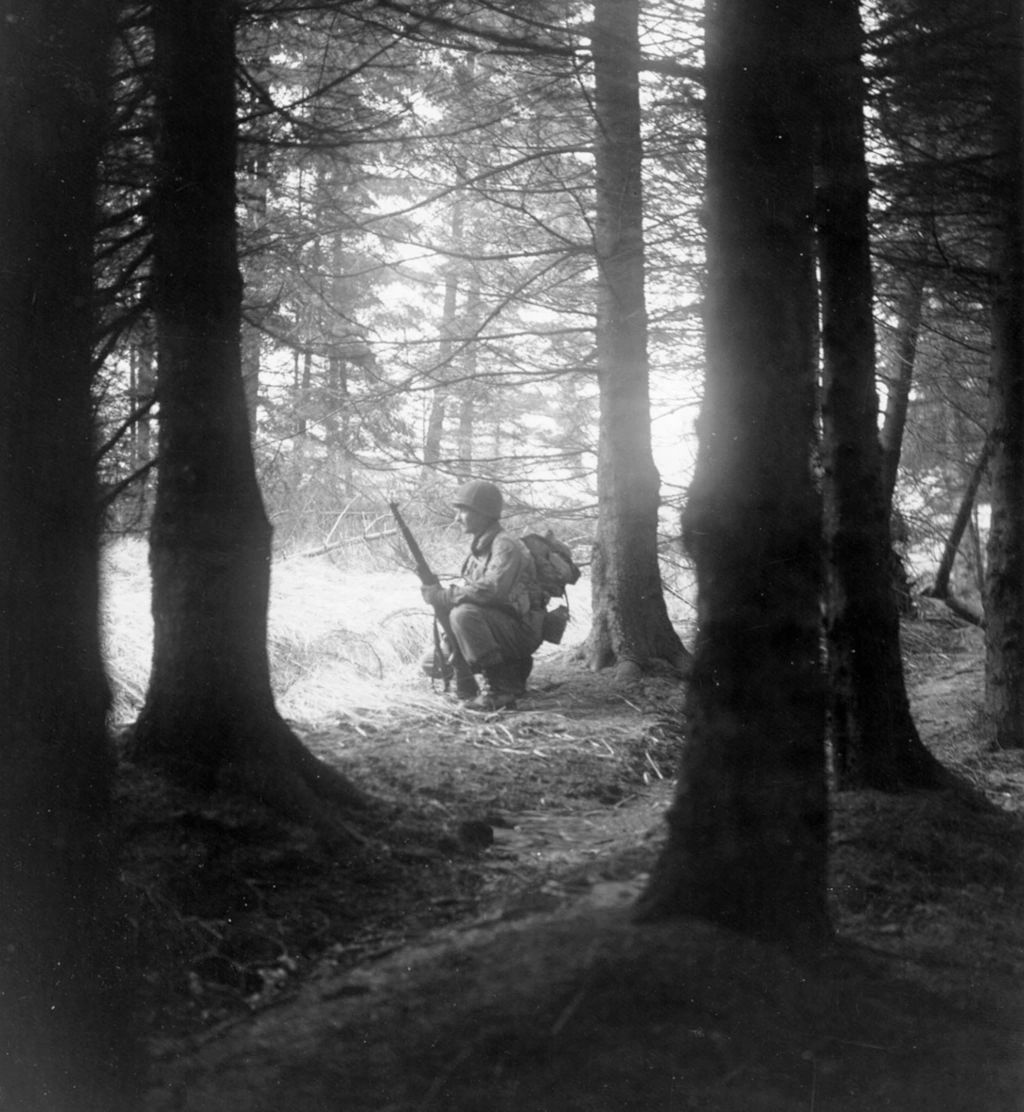
By early December 1944, the organizational structure of the brigade had taken form. Estimates derived from prisoner interrogations place total strength between 2000 and 3000 men, though figures vary depending on inclusion of attached or supporting elements. The brigade was divided into three combat teams under the command of Lt Col Wulf, Capt Scherf, and SS officers associated with the Panzer arm, including personnel linked to the command structure of the 1.SS-Panzer-Division. Within this framework, Einheit Stielau functioned as the principal infiltration component, operating in small detachments, typically four men per vehicle. Movement toward the forward assembly areas commenced between December 5, and December 12. The brigade concentrated in the region of Münstereifel, where final preparations were completed. Additional American clothing and documentation were issued, and units were assigned specific routes and objectives. For security reasons, personnel were instructed to wear German parachute overalls while on the German side of the front, changing into American uniforms only upon crossing into Allied-held territory.
The operational concept assigned to Einheit Stielau was to precede the main armored thrust, penetrating Allied lines in small, mobile units. These detachments were to operate independently in the rear areas, targeting command posts, communications centers, and key logistical nodes. Engineer teams were tasked with destruction of infrastructure, including bridges and road junctions, while communications units were to sever signal lines and disrupt coordination. Radio teams were to observe Allied movements and relay information to German command elements via designated message centers. The overall intent was to generate confusion, delay response, and facilitate the advance of armored formations.
Initial infiltration coincided with the opening of the Ardennes offensive on December 16. Reports from the period indicate that German personnel in American uniforms were active behind Allied lines within a matter of hours. Captures in the areas of Aywaille and Liège confirmed the presence of organized infiltration teams equipped with American weapons, including .45 caliber pistols and submachine guns, as well as German identification documents concealed alongside American credentials. Interrogations revealed that approximately 150 such personnel were operating in dispersed groups, often traveling in jeeps, and that a significant number were dressed as American officers, in some cases up to the rank of Major. The presence of these units created immediate concern within Allied formations. Intelligence summaries from December 21 indicate that German soldiers in American uniforms were employing captured vehicles and attempting to penetrate defensive lines under false pretenses. Identification methods used among the infiltrators included colored scarves, variations in uniform wear such as open overcoats, and prearranged signals involving lights or gestures. Vehicles were reportedly marked with specific letters or symbols to facilitate recognition.
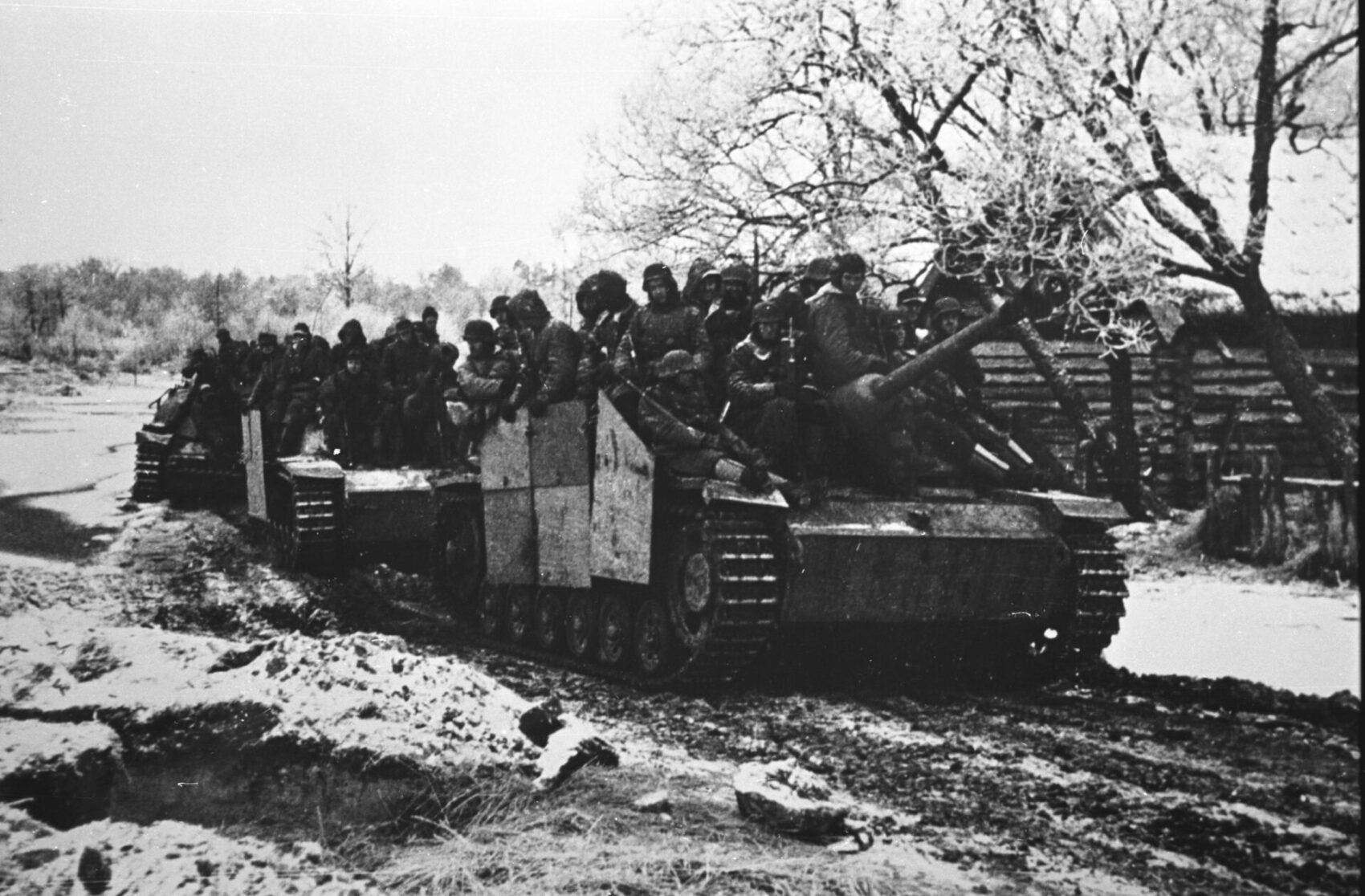
Simultaneously, armored elements of Panzer Brigade 150 were committed in the sector encompassing Stavelot, Malmedy, and La Gleize. Prisoner statements suggest that German armored spearheads operating in the direction of Stavelot were supported by elements associated with the brigade, although the degree of coordination and effectiveness remains subject to variation across reports. In several instances, German armored vehicles disguised with American markings attempted to exploit confusion by simulating withdrawal or mechanical failure in order to create congestion and disrupt traffic.
Allied reaction developed rapidly. By December 23, intelligence summaries had consolidated available information into a coherent assessment of the threat. Units were instructed to implement verification procedures, including questioning of personnel regarding unit affiliations, insignia, and details of American life unlikely to be known by infiltrators. Reports also emphasized the need for vigilance in rear areas, where the psychological impact of disguised enemy personnel was considered as significant as their physical actions. Field experience demonstrated both the potential and the limitations of the operation. While initial infiltration achieved a degree of surprise, many teams were quickly identified or captured. In some cases, failure to provide correct passwords or responses led to immediate arrest. Reports from Aywaille describe infiltrators detained within a short time of crossing Allied lines. In other instances, encounters between German personnel in American uniforms and Allied troops resulted in confusion but did not produce decisive tactical advantage.
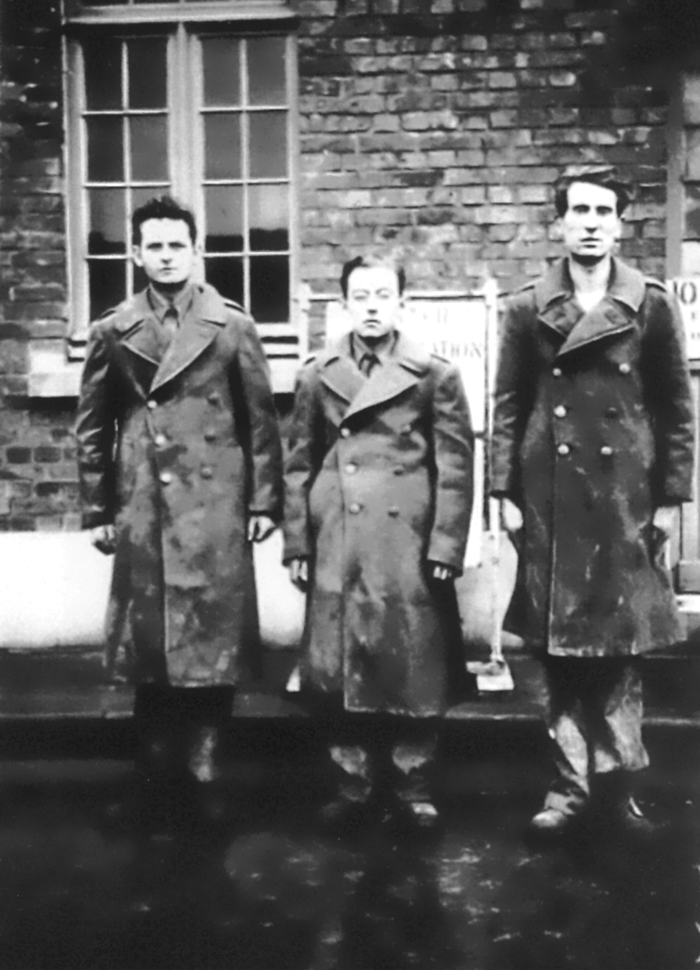
Interrogations conducted in late December provided increasingly detailed insight into the structure and intentions of the brigade. These reports confirmed the dual nature of the operation, combining infiltration and conventional armored action, and highlighted the reliance on deception as a force multiplier. They also revealed internal inconsistencies, including variations in training, equipment, and command awareness among participants. By the end of December, the effectiveness of Panzer-Brigade 150 had diminished. Allied forces had adapted to the threat, and the initial advantage of surprise had been lost. Reports indicate that only portions of the brigade were fully committed, and that losses among certain elements were significant. Personnel returning from the operation reported that the mission had failed to achieve its intended objectives, in part due to compromised plans and rapid dissemination of intelligence among Allied units.
In early January 1945, directives issued by First US Army addressed the consequences of the operation, including the identification of enemy personnel killed in American uniforms. Units were instructed to take measures to distinguish such individuals clearly, in order to prevent administrative errors and misidentification of casualties. This reflected the extent to which the use of American uniforms had created complications beyond the immediate tactical environment. On 17 January 1945, Panzer-Brigade 150 was officially dissolved. Personnel were ordered to relinquish American uniforms and equipment, and elements of the unit were returned to training areas, including Grafenwöhr. Although there were indications of attempts to recruit volunteers for further special operations under SS auspices, the brigade as an operational entity ceased to exist. The concept it embodied, however, remained of interest, particularly in relation to potential use in future operations involving deception and irregular warfare.
The conduct of operations by Panzer-Brigade 150 during the period December 16–26, 1944, must be understood through the combined lens of its intended mission and the conditions encountered in the Ardennes theater. The terrain itself, characterized by restricted road networks, wooded high ground, and river obstacles such as the Amblève, imposed limitations that directly affected both the infiltration detachments of Einheit Stielau and the armored elements operating under deceptive markings. The initial phase of infiltration saw small detachments, typically composed of four men per jeep, moving independently through gaps or weakly held sectors of the Allied line. Their success depended not only on disguise but on speed, initiative, and the ability to exploit confusion generated by the broader German offensive. Reports indicate that these detachments carried limited demolition charges, generally not exceeding three kilograms, reflecting their intended role as saboteurs rather than conventional combat engineers. Their equipment included a mixture of American and German weapons, often supplemented by captured documents and identification intended to withstand cursory inspection.
Operational directives assigned to these teams emphasized disruption rather than destruction on a large scale. Objectives included the cutting of telephone lines, destruction of signal installations, and interference with command and control nodes. Particular attention was given to the identification and neutralization of headquarters elements and key personnel, suggesting an understanding of the vulnerability of Allied command structures during periods of rapid movement and uncertainty. Radio-equipped teams were tasked with maintaining contact with German command elements, transmitting observations regarding troop movements, supply routes, and defensive dispositions. Despite the detailed preparation, field reports reveal that the execution of these missions was uneven. In several cases, infiltration teams failed to penetrate deeply into Allied rear areas due to mechanical failures, navigational difficulties, or rapid detection. One such instance involved a detachment whose vehicle broke down shortly after departure, forcing them to report their situation and receive revised orders focused on reconnaissance of bridge conditions along routes leading toward the Meuse. These teams were instructed to remain in proximity to the river and report on its crossing points, indicating that German command anticipated a rapid advance that would require immediate exploitation of such crossings.
Capture narratives provide valuable insight into the interaction between infiltrators and Allied security measures. In the vicinity of Aywaille, a group of infiltrators was stopped by military police and challenged for the password. Their inability to respond correctly led to immediate arrest, highlighting the critical importance of procedural knowledge in addition to physical disguise. In other instances, infiltrators attempted to rely on conversational skill to deflect suspicion, sometimes with temporary success, but the increasing awareness among Allied troops of the presence of disguised Germans reduced the effectiveness of such tactics. The psychological dimension of the operation was a central component of its design. German planners sought to exploit the inherent trust within Allied formations by introducing uncertainty regarding identity and intent. Reports from the period indicate that German personnel in American uniforms attempted to misdirect traffic, spread rumors of retreat or defeat, and interfere with the movement of reinforcements. The use of vehicles marked with American insignia allowed these teams to approach convoys and checkpoints with reduced suspicion, at least during the initial stages of the operation.
However, the same factors that made the operation possible also contributed to its limitations. The requirement for linguistic proficiency and familiarity with American military practice restricted the pool of suitable personnel. Interrogations reveal that many participants were aware of the risks involved and, in some cases, expressed reluctance or dissatisfaction with their role. Statements attributed to captured personnel indicate a range of attitudes, from reluctant compliance to active disapproval of the mission. This variability in morale and commitment likely affected performance in the field. The armored component of Panzer-Brigade 150 faced its own set of challenges. While the modification of German tanks to resemble American vehicles provided a degree of visual deception, these alterations were often insufficient under close observation. Furthermore, the employment of such vehicles required careful coordination to avoid engagement by German forces, as well as the ability to navigate within a fluid and contested battle space. Reports suggest that only portions of the brigade’s armored strength were effectively committed, and that their impact was limited by both operational constraints and the rapid Allied response. In the sector encompassing Stavelot and La Gleize, the interaction between German armored spearheads and Allied defensive positions was intense and complex. Prisoner statements indicate that elements associated with Panzer-Brigade 150 were present in this area during key phases of the fighting, although the precise extent of their involvement varies across sources. The presence of disguised vehicles and personnel added an additional layer of uncertainty to an already dynamic situation, complicating both command decisions and tactical execution.
Allied intelligence efforts played a decisive role in countering the operation. The rapid dissemination of information regarding the use of American uniforms and equipment enabled units at all levels to implement countermeasures. These included not only formal procedures, such as the use of challenge and password systems, but also informal methods based on questioning and observation. Soldiers were instructed to ask questions related to American life, military organization, and cultural knowledge, exploiting the difficulty faced by infiltrators in reproducing such details convincingly. Intelligence summaries from late December reflect an increasing degree of confidence in the identification and handling of disguised enemy personnel. Reports emphasize the importance of vigilance in rear areas and the need to verify the identity of individuals and vehicles, even when they appeared to conform to expected patterns. The capture of documents, including rosters and identification papers, provided additional insight into the structure and operation of Panzer-Brigade 150, further reducing its ability to operate undetected. The integration of information from multiple sources, including prisoner interrogations, field reports, and higher headquarters directives, allowed Allied commanders to develop a comprehensive understanding of the threat. This process was iterative, with new information continually refining existing assessments. By the end of December, the operation was no longer characterized by surprise but by a contested environment in which German deception was anticipated and countered. The cumulative effect of these factors was a gradual erosion of the operational effectiveness of Panzer-Brigade 150. While individual acts of deception and sabotage may have achieved localized success, the overall impact of the operation fell short of its intended objectives. The inability to sustain infiltration at scale, combined with the increasing effectiveness of Allied countermeasures, limited the brigade’s contribution to the broader German offensive.