


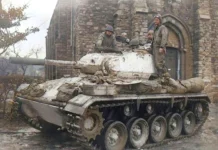
Von Behr’s subsequent oral report to Skorzeny on December 19, after the team re-entered German lines, was to have deadly repercussions for the fate of 150.Panzer-Brigade. Skorzeny, still at Schmittheim with the 1.SS-Panzer-Corps Hqs, never received any of these reports directly by radio, as the weather and terrain disrupted effective, long-range communications. He was to learn of much of this information only after the exfiltration and link-up of the teams, such as the report of von Behr.
After December 18, no more commando teams were sent behind American lines as part of Operation Greif. As the opportunity to employ the Panzer-Brigade 150 began to wane with the stiffening of the American defense, Skorzeny regarded the special task of the commando company at an end. After Operation Greif was over, the 6.Panzer-Army still employed several teams to conduct similar clandestine missions on a local basis from December 19 onward in support of the continued German offensive.
The Einheit Stielau was to continue local reconnaissance operations even into January 1945, long after the demise of Wacht Am Rhein, but not under Skorzeny’s command. Skorzeny, however, did not consider these activities a part of Operation Greif. A number of small units spontaneously employed Recon teams consisting of ordinary German soldiers in recently captured uniforms and vehicles. Also, many a German soldier equipped himself with some recently liberated, and warm, American clothing to supplement his kit.
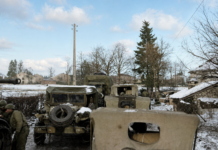
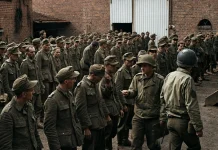
Although having nothing to do with Greif, to the Allies, this must-have appeared as a part of a continued German plan. The Einheit Stielau remained at the front until it was eventually withdrawn and disbanded at the end of January 1945. Several of its captured soldiers were executed by the Americans as spies, as a result of wearing American uniforms. Unteroffizier Manfred Pernass, Oberfähnrich Günther Billing, and Gefreiter Wilhelm Schmidt were captured in Aywaille, interrogated, tried, found guilty and executed on December 23. Being the first of the Einheit Stielau, these men were followed by Lt Karlheinz Weisenfeld; Feldwebel* Manfred Bronny; Stabsgefreiter Hans Reich; tried and executed on December 26 1944. Lt Arno Krause; Lt zur See Günther Schilz; Unteroffizier Erhard Miegel; Obermaschinenmaat Horst Görlich; Obergefreiter Rorbert Pollack; Obergefreiter Benjamin* Meyer; Obergefreiter Hans Dietrich Wittsack; tried and executed on December 30. Gefreiter Otto Struller was tried and executed on January 13, 1945 (at Huy). Lt Günther Schulz was tried and executed on June 14, 1945, in Denstorf (near Braunschweig).

 Relying on Otto Skorzeny regarding the numbers really doesn’t help. When Skorzeny claimed that, no one had the documents as we have them today. Not only the American ones but also the documents from Germany and the background info of the family. I would not, as far as make any claims as far as the numbers are concerned. At most, I would make it clear that in that area much is unclear, also because different sources differ from each other. The same goes for the names of the men who would have been executed with Struller. In the ‘US Army, US 1st Army, Report of Operations October 20, 1943, to August 1, 1944, February 23, 1945, to May 8, 1945 you may find the list of executed German spies which is the only correct one.
I have corrected the errors in the names. Most of the names are based on the trial verdicts (US vs. Skrozeny et all, M1106 NARA). The problem is that we don’t know where those judgments came from. We do know by now that some of the men did not cooperate with the interrogations. It is possible that the information (first names) came from documents that the men dried with them. Passports of these men which list the full first names do not state the call sign. The Calling Name is the first name one uses. In Wittsack’s case, it was not the first given name ‘Hans’ but the second given name ‘Dietrich’, which is also on the cross interrogation. For Weisenfeld it was ‘Karlheinz’, it is possible that ‘Karl Heinz’ was also written separately. But that’s not such a big thing. Wiesenfeld is a typo which is so also in the trial verdict. From that, you can also recognize the source. Charles William Wiesenfeld is the English version of Karl Heinz Wilhelm Weisenfeld. The ranks of the men were also an issue. With Billing as with Bronny is really unclear. For Billing, access to his personnel military file gives Leutnant der Reserve and makes things very clear. It is also possible that he gave up Oberfähnrich during the first interrogation, and to say the truth I have no idea.
In the judgment of Bronny and Co., Bronny wears the rank of Feldwebel beside this, you come often across ‘Wachtmeister’ or ‘Feldwebel’. After the war, his mother quoted from a letter she had received from the Panzer Brigade 150 Kommandokompanie (signed by a guy named Lorenz) as follows: In the course of the fighting on December 23, 1944, within the framework of a special unit to which your son also belonged, ‘Wachtmeister’ Bronny was entrusted with an assignment. He has not returned since. We suspect that he fell into enemy hands. If you pay attention you will see that not even Lorenz had the dates right. I would use the rank ‘Wachtmeister’, besides this remains ‘not clarified’. Meyer’s first name was Rolf because he had only one first name. He gave himself the first name Benjamin and told to his father that he hoped that the Jewish first name would be an advantage if he were to become a prisoner of war in the USA.
The Einheit Stielau remained at the front until it was eventually withdrawn and disbanded at the end of January 1945. Petter (witness in the trial against Skorzeny) and Rohde tell independently of each other that the last mission was on January 12, 1945. Rohde tells about the end of the unit Stielau: ‘It is certain that two teams were lost and killed by the Americans, and that others had losses – so that when the team remnant reassembled afterward at the Wallerode Castle northeast of St Vith. The leader of this remnant, Korvettenkapitän von Beer, had only three intact teams left’. In the interrogation protocol of Schulz I found a remarkable, but already truthful reference. When the Stielau unit arrived in Belgium, the teams were divided up and the Stielau unit practically ceased to exist. True enough. Teams were assigned to tank units, some went off to annoy Americans. And readers should not forget that there was a lot of improvisation in this entire operation.
The Stielau commandos, while not perfect, were able to accomplish the missions that Skorzeny had planned for them. The boldness of their infiltration plan and the high degree of independent initiative shown by the commando team leaders combined to achieve this success. The commandos had blazed a path for the Panzer-Brigade 150 to follow. It would be up to the other half of Operation Greif to seize upon this and prevent it from being an isolated success. For the Panzer-Brigade 150, the second part of Operation Greif left Grafenwoehr on December 13 en route to the front. The brigade’s battle groups were tasked to infiltrate behind the lines disguised as American armored units. Their mission was to seize the key bridges over the Meuse river in order to allow the armored spearheads of the 6.Panzer-Army (12.SS-Panzer-Division) continued their attack uninterrupted.
The Panzer-Brigade 150 moved into their bivouac area in the vicinity of Münstereifel (Germany) on December 14 and occupied an assembly area in preparation for the forthcoming offensive. Careful to maintain their security screen, no one from the brigade was allowed to move forward to the front to conduct recon or coordinate with the conventional units. Likewise, no liaison teams were established or exchanged between the troops assigned to Operation Greif and the conventional unit headquarters. Moving to their forward attack positions during the dark morning of December 16, the three battle groups of the brigade lined up behind the rear of the attacking divisional spearheads. The disguised vehicles of Battle Groups X, Y, and Z wedged themselves into the tight columns of the 1.SS-Panzer-Division, the 12.SS-Panzer-Division, and the 12.Volksgrenadier-Division, and prepared to race on to their objectives.
The Panzer-Brigade 150 failed to accomplish its primary mission; the seizure intact of a bridge over the Meuse River. In fact, it was never even committed to making an attempt for the bridges but was destined to bleed itself in a conventional attack role. The original mission was aborted by the second day of the offensive. One key reason for this failure was the inability of the conventional attacks to create a penetration of the American lines on the opening day of the offensive. Through no fault of Greif’s units, there was no hole in the defense to slip the brigade through. The planned conditions for the employment of the brigade were never established. However, the poor coordination between the Greif units and conventional forces, distant and befuddled command and control, and the lack of adequate personnel, equipment, and training precluded the brigade from capitalizing on any windows of opportunity that would appear. The opening day of the offensive came and went without these conditions being met.
By the end of December 16, the 6.Panzer-Army had failed to achieve a breakthrough with the first assaults of its infantry divisions. At the close of the day, gains of only about five kilometers had been made. The Germans were still some twenty kilometers short of the Hohen Venn, and the US 99th Infantry Division and the US 2nd Infantry Division were still maintaining a viable defense. The Panzer Divisions were left waiting at their jump-off positions, crammed bumper to bumper on the few decent roads in the area. The battle groups of the Panzer-Brigade 150 were jammed in behind them, likewise unable to move at all, but nevertheless enduring American artillery fire. It was during this period that the commander of Battle Group X, Obersturmbannführer Willy Hardieck was killed when passing through an uncleared minefield, and replaced by Skorzeny’s Chief of Staff, SS Hauptsturmfueher von Foelkersam. Skorzeny, apparently not content with fighting the war by radio from Schmittheim, moved forward to assess the situation for himself.
He described the situation as follows: December 16, passed without a decisive success on the front of the 6.Panzer-Army, and even by midday it was clear that the divisions would have to be sent in to effect a decisive breakthrough. I drove to Losheim to get a clearer picture of the situation. The roads were simply crammed with vehicles of every kind and, in practice, all officers had to walk beside their cars in order to help in keeping the traffic flowing. By the time I reached Losheim, I must have walked at least ten kilometers. Apparently, the artillery bombardment had no great effect on the enemy positions at Losheimergraben, the Americans were defending themselves particularly stoutly and the attack was progressing but slowly. The intended collapse of the whole front had not been achieved.
KRINKELT – ROCHERATH – WIRTZFELD (2-ID & 99-ID)
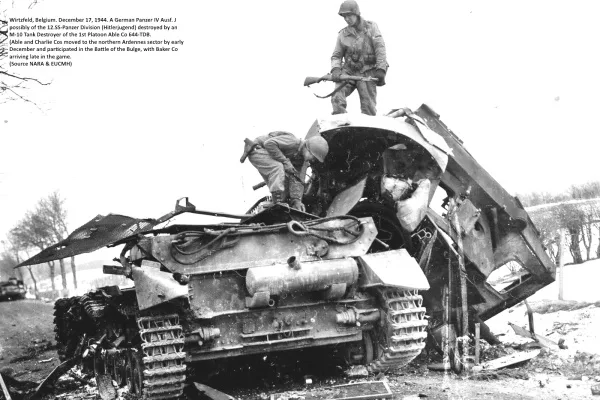
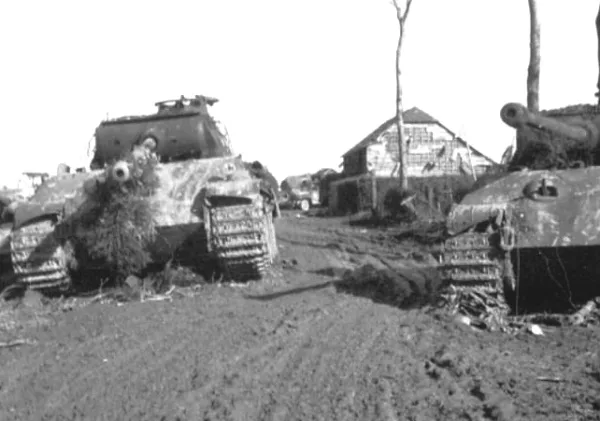
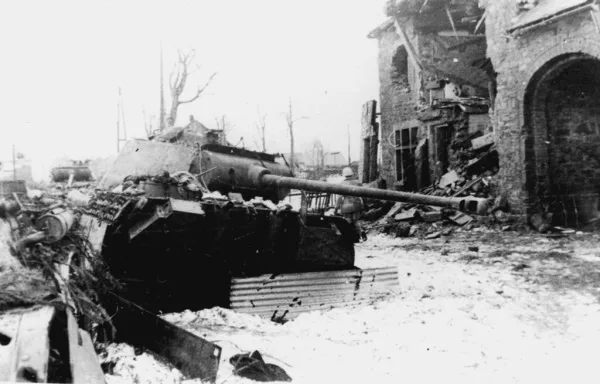
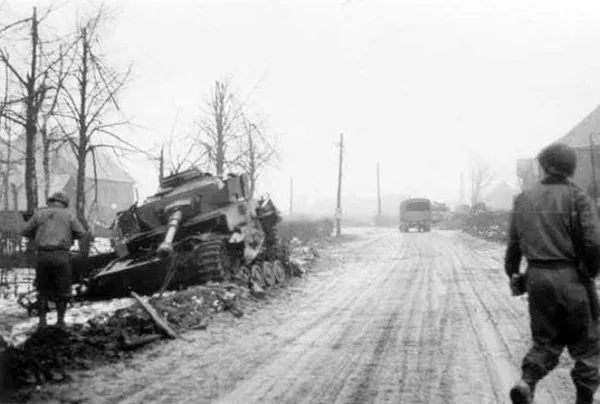
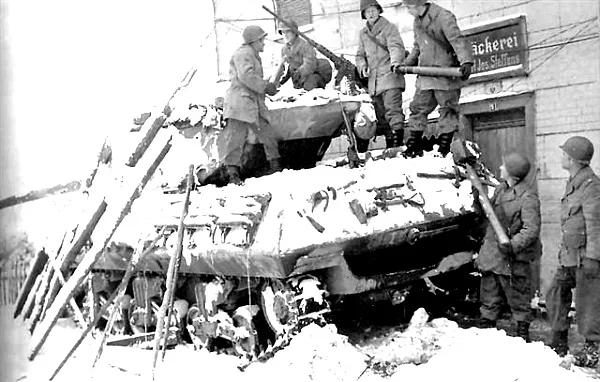
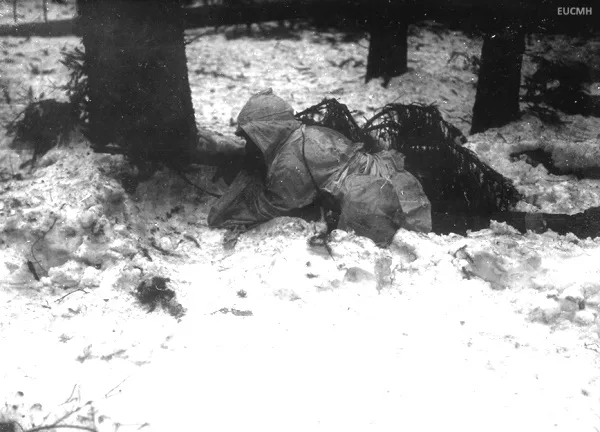
Already the planned conditions for committing the brigade had passed. Dubious of success even before the operation began, Skorzeny was forced to weigh the merits of continuing with the mission. By his previously established criteria, it looked as if Operation Greif would be unlikely to succeed. Skorzeny, stubborn, proud, and not one to quit, nevertheless considered canceling the operation on that first day. However, reluctant to give in easily, he decided to continue with the operation, and attempt to seize his objectives during the following day, if a breakthrough was achieved.
Skorzeny described his decision on that first day: I was now faced with a critical decision, as it was already plain that the day’s objectives had not been attained. The logical inference was that I must call off Operation Greif, something which was entirely against the grain, after all our tremendous preparations. I was not in the habit of abandoning my purpose so easily! I reflected that success was still possible if the Panzer Divisions went in that night and decided to wait another twenty-four hours. If the Höhe Venn had then been passed, the attacking wave would probably reach the Meuse, and seizing of the bridges by my men could be decisive.
If the panzer units broke through the Höhe Venn area, Skorzeny would then order his battle groups to infiltrate the American lines and move to the bridges. Skorzeny’s last thought seems to indicate one additional factor concerning the commitment of the brigade. Even if the Panzer-Brigade 150 was able to slip through the American lines and seize the bridges, Skorzeny was not going to do so unless assured that a link-up with the armored forces was possible. It would appear that Skorzeny was not going to launch the brigade on a suicide mission, even if the opportunity presented itself. Knowing the capability of his brigade, and understanding the offensive’s overall lack of success, Skorzeny was not pushing the battle groups recklessly into action.
On December 17, the commitment of the Panzer Divisions gained a breakthrough. The 3.Fallschirmjäeger-Division pushed open a hole through the withdrawing 14th Cavalry Group in the southern part of the attack sector. Kampfgruppe Peiper, the lead attack regiment of 1.SS-Panzer-Division, was side slipped through this hole by the 1.SS-Panzer-Corps, and had, by daylight of the 17, made penetration of the American defenses at Honsfeld.
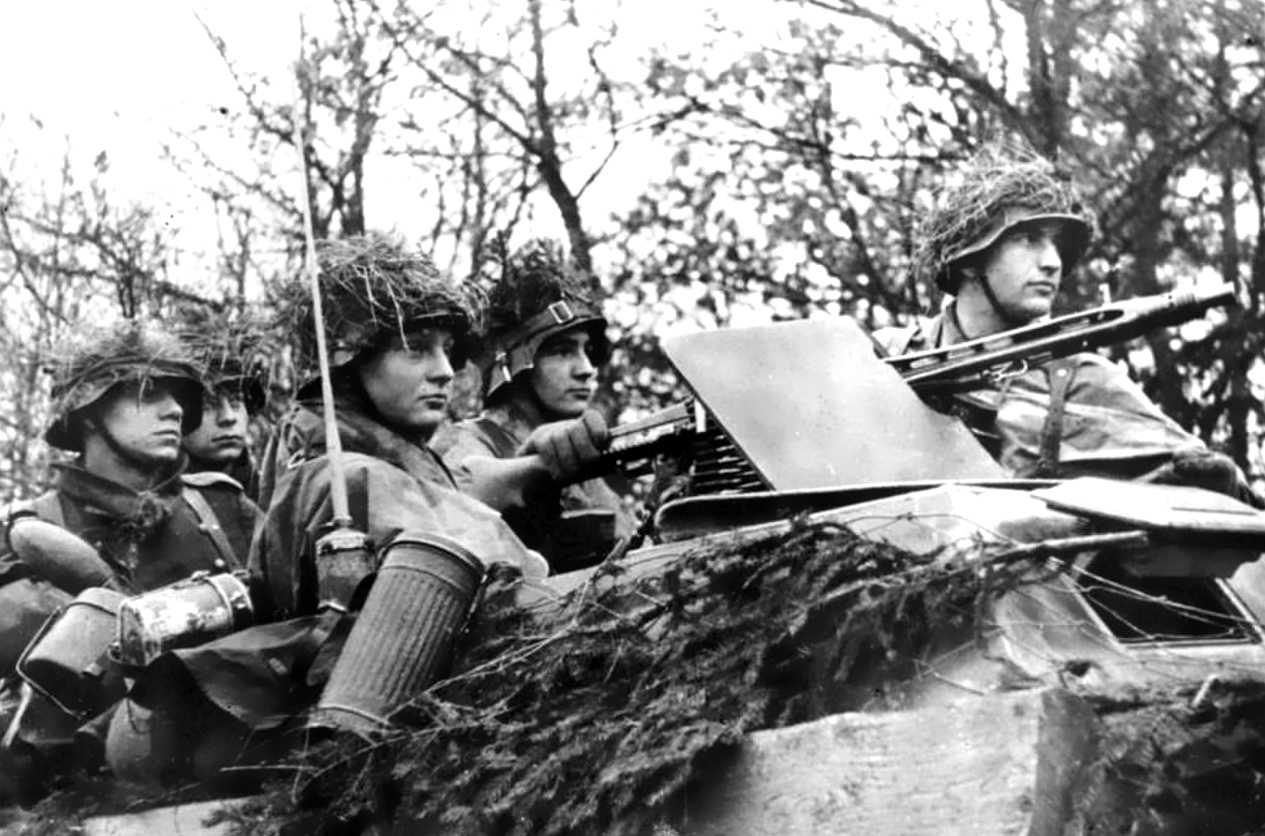
While Kampfgruppe Peiper (spearhead of the 1.SS-Panzer-Division – LSSAH) was planning its assault on the little town of Stavelot, Battle Group X, the force designated to pass through Peiper’s unit, was some ten kilometers away, still east of Malmedy and caught among the traffic jam of vehicles all clawing their way along the same road in an attempt to keep up with Peiper. Even if they had wanted to pass through the Kampfgruppe’s forces, they would face a difficult time doing so from so far behind. The absence of any real coordination between the conventional units and the special operations forces began to show. Although a fleeting opportunity existed for Battle Group X to pass forward and go ahead on the planned mission, Peiper could not direct the battle group to move forward as he lacked command authority over the unit.
It appears even that Battle Group X was clearly out of close coordination with him, and not closely following the Kampfgruppe’s constantly zig-zagging spearhead. Neither unit had established any liaison teams or cells. Peiper vented his frustration after the war during an interrogation. When asked to appraise the Greif’s Group with him he replied: they might just as well as stayed at home because they were never near the head of the column where they had planned to be and where they were supposed to.
Skorzeny jumped from his command post forward with the Corps Hqs to the town of Manderfeld. Once again he too experienced the tremendous traffic jams along the roads and attempted to get traffic moving. It must be assumed that he was out of touch with his deputy, von Foelkersam, the nominal brigade commander with Battle Group X, as well as the rest of the Greif force during these moves. Skorzeny, far beyond the front was obviously unable to direct the brigade effectively. Often out of radio contact, frequently on the move, and distant from the front, Skorzeny and his three-man command post could not effectively control the employment of the battle groups. Although in touch with the 1.Panzer-Corps Headquarters, he had no command authority over the armored units that his battle groups were following nor did they control his battle groups.
The Höhe Venn had been breached, it appears that there was not much that Skorzeny could do to influence the operation. Likewise, the battle groups were not receiving any instructions from the units that they were following. It is unclear who, if anyone, was actively following the status of the brigade’s battle groups and was ready to act on any fleeting opportunities. Given an opportunity to pass ahead of Kampfgruppe Peiper and race for the bridges, the Panzer-Brigade 150 might just have let it slip by. The lack of integrated command and control over the special and conventional elements of the offensive was beginning to doom the operation. Skorzeny attempted to gauge his situation. He moved to Losheim to the Einheit Stielau command post, and then back to Corps Hqs that evening for a council of war. His assessment of the situation that day revealed: it was true that surprise had been complete, but the idea of a sweep to the Meuse in a single rush, and the enemy retiring without fighting, had to be abandoned. There was no question of the panic flight which alone would have given Operation Greif a chance. Nor could we anticipate that the Meuse could be reached in our battle sector on the next day, or even the day after. The enemy was already bringing up reserves and throwing them into the fight.
With this assessment and a good understanding of the traffic conditions based on his trips forward, Skorzeny decided the fate of Operation Greif. The conditions for committing the brigade had still not been met. Peiper was still east of the Höhe Venn. American units were still fighting stubbornly. His battle groups were scattered and ensnared in massive traffic jams. The element of surprise had now passed. In Skorzeny’s eyes what had always been a gamble had now become the impossible. He decided late that evening of December 17 at the council of war, to abort the operation. After ripe consideration, I reported to Army Headquarters my suggestion to renounce our original intentions and received its approval. Operation Greif was over. But the war was not over for the Panzer-Brigade 150. After having made his decision to cancel Operation Greif, Skorzeny recommended the 6.Panzer-Army commander that the brigade is consolidated and employed as a normal army unit. This recommendation was accepted, and as it was still in the area of the I.SS-Panzer-Corps, Skorzeny put the brigade under the operational control of that corps, for use as ordinary infantry.
The brigade was to assemble south of the town of Malmedy. Although his forces were to move and operate within the 1.SS-Panzer-Division sector, the division held no control or authority over the brigade, although Skorzeny claims to have coordinated the brigade’s movements with the divisional HQ in Ligneuville, Belgium. Skorzeny assumed the personal command of the Panzer-Brigade 150, and early on December 19, ordered the three battle groups to assemble in the vicinity of Ligneuville. On that day, the I.SS-Panzer-Corps requested Skorzeny to attack and seize the town of Malmedy, on the northern flank of the penetration, in order to block expected American counterattacks.
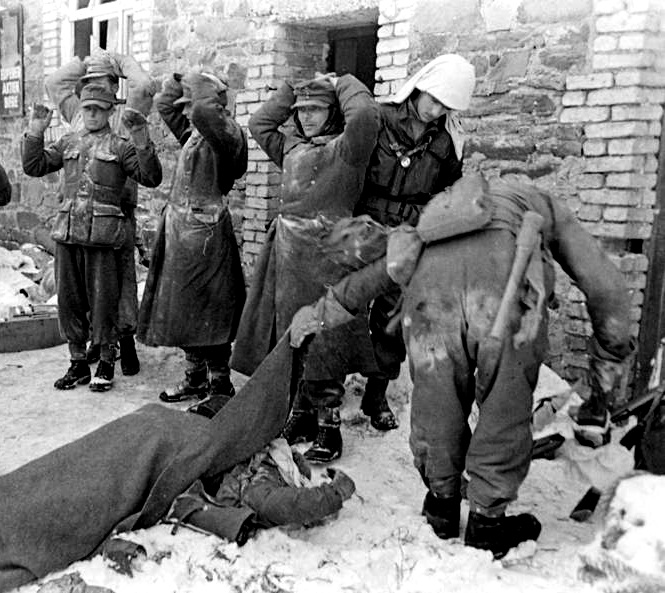
As the three battle groups of the Panzer-Brigade 150 were still struggling through the maze of traffic jams and poor roads, Skorzeny could not assemble them for an attack on the 19, and accordingly, the operation was postponed until the morning of December 21. Although by now the troops were back in German uniforms, the vehicles of the previous Operation Rabenhugel effort still sported their American disguises. Lacking artillery support, Skorzeny opted for a surprise attack on Malmedy at dawn on December 21. The brigade’s objective was the heights north of the town where a defensive position was to be prepared to fend off the expected counterattacks.
Based upon the reports from the errant Commando team of Corvette Capt von Behr, Skorzeny believed the town of Malmedy to be lightly defended, and only by elements of the 291st Engineers Combat Battalion and some Maintenance and Service troops. In reality, since the report of that team on December 19, the town had been heavily reinforced. Rushed to Malmedy, were elements of the American-Norwegian 99th Infantry Battalion (S), less Able Co affected in the Ardennes between Marche en Famenne and Rochefort, but with the 526th Armored Infantry Bn attached as well as Baker Co of the 825th Tank Destroyer Bn to form Task Force Hansen (Col Harold Hansen, CO 99-IB-S). Moving also to Malmedy were the troops of the 30th Infantry Division which joined the stubborn engineers and established firm defenses and roadblocks at the northern, eastern, and southern entrances of Malmedy.
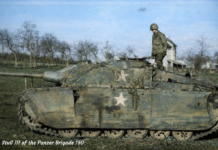
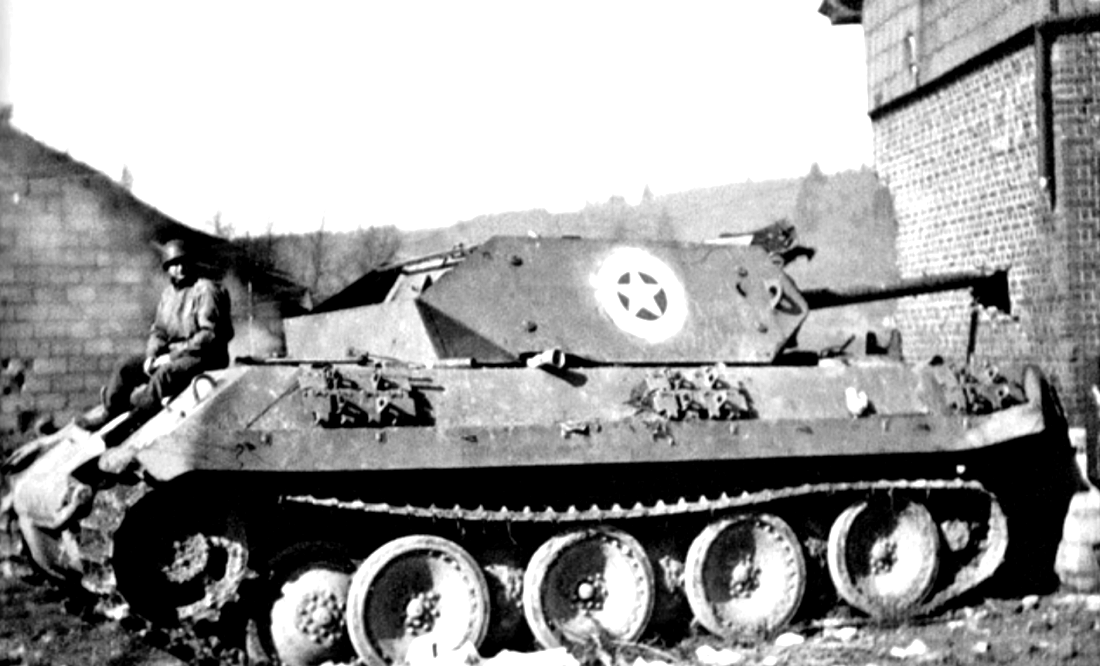
Skorzeny prepared for a two-prong attack. Battle Group Y was to attack the right flank, with Battle Group X, the main effort, on the left flank, while Battle Group Z, arriving late on the 20, was to be in reserve upon its arrival. The attack kicked off at 0300, December 21. The battlegroups led their attacks with their phony US tanks and half-tracks, and some real M-8 armored cars. Although the appearance of these vehicles may have deceived some outposts in the dark, the American front had settled and the defenders were anticipating a German attack, they could not confuse the columns of men and vehicles advancing towards them as anything but an enemy for very long. The lead elements of the battlegroups both struck mines along the roads they advanced on, and heavy fighting quickly ensued. Despite fierce close-quarters combat, some elements of Battle Group X actually, penetrated into the town. However, the determined American resistance, backed up by thousands of artillery shells, eventually halted the attack. Skorzeny, himself wounded by the shell fire, was forced to withdraw the brigade to defensive positions on the hills south of Malmedy (Bellevaux). For the next several days, the brigade was to continue probing attacks, but despite the unexpected assistance of the US Ninth Air Force bombing Malmedy twice by mistake, the town was never taken. The brigade maintained its defense south of the town and endured the ever-increasing American air and artillery attacks, but the expected American drive south never materialized.
On December 28, the Panzer-Brigade 150 was relieved in place by elements of the 18.Volksgrenadier-Division. The brigade moved into a temporary rest area at Schlierbach, Belgium, east of St Vith, and then back to Grafenwoehr beginning on January 2. There Brigade was disbanded, and the men returned to their original units by January 23, 1945. The losses for the brigade throughout the offensive totaled over 450 men killed, wounded, or missing from the original force of 3000. SS-Oberststurmbannfuhrer Otto Skorzeny returned to his original SS commando unit and was to continue conducting special operations until the end of the war. The Panzer-Brigade 150 had not accomplished its mission. The boldness of the plan and the desperate improvisations to mold the brigade into an effective unit were not enough. Even the success of the Einheit Stielau commandos did not help. The lack of coordination and effective command and control between the Greif units and the conventional forces, and the inadequate preparation of men and equipment, doomed the 150.Panzer-Brigade to failure.


 The men of the Fallschirmjägergruppe von der Heydte were to fare little better. Operation Stoesser, the airborne operation designed to seize a crossroads in order to block American reinforcements along with the 6.Panzer-Army’s northern flank would be the second major special operation of the offensive. On the fifth day of its existence, December 15, the Kampfgruppe von der Heydte received orders that its drop would go in at 0430, December 16. Accordingly, the airborne troops began to assemble at the departure airfields of Paderborn and Lippspring. However, by 0400 on December 16, only half of the troops had assembled owing to a lack of fuel for the transport vehicles. Consequently, the operation was called off, only to be resurrected later that day. Although the 6.Panzer-Army had not made the expected progress in its attack the paratroopers would still jump into the same drop zone, with the same mission of blocking reinforcements. Although they did indeed jump, the paratroopers of Operation Stoesser would fail in their mission.
Operation Stoesser failed to accomplish its mission of blocking the highway north of Malmedy from American reinforcements. Unlike the forces of Operation Greif, the paratroopers of the Kampfgruppe von der Heydte did not have to rely on another unit to create a breakthrough before they were committed. Instead, they had to rely on the Luftwaffe. Delivered to their objective area by Luftwaffe transports, the paratroopers were miss-dropped, scattered, and disorganized. Consequently, the battle group was never able to assemble a credible fighting force with which to block the roads. Outnumbered, freezing, and unable to accomplish their mission, the forces of Operation Stoesser eventually melted away. However, their presence behind American lines and limited combat actions were to have an unexpected positive impact in support of the German offensive.
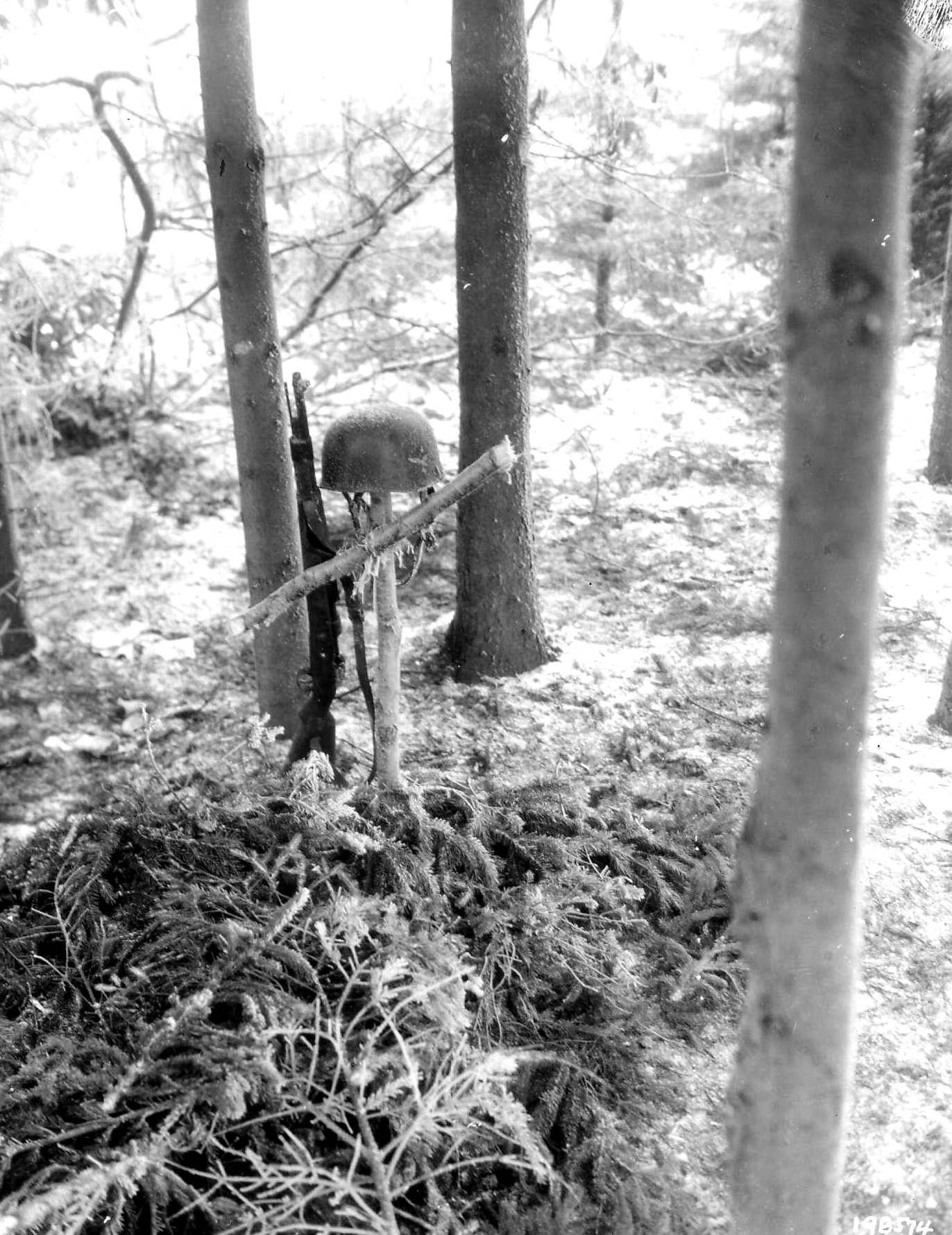
Shortly after midnight, approximately 1000 paratroopers boarded the Ju52 aircraft, and the first lift of transporters started out for the drop zone. Over 150 men of the battle group had to be left behind at the airfields, due to inadequate lift. It was planned that they would link up overland after the 6.Panzer-Army had reached the paratroopers. The official Luftwaffe Kommando West meteorological report had predicted wind speeds of 13 MPH over the drop zone for that evening. The local forecasters at Lippspring had predicted something much higher, however.
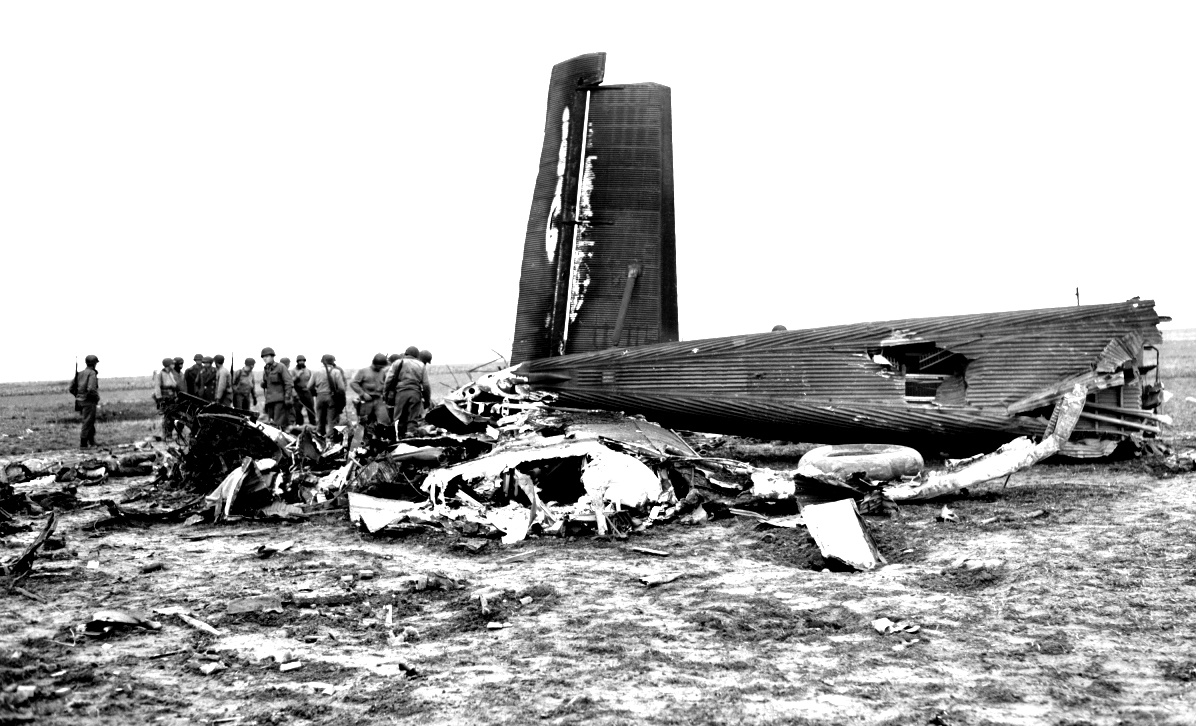
The drop did not go well. The special measures taken to assist the pilots in locating the drop zone in the dark were of limited help to the inexperienced aircrews. Although the AAA Flak batteries of German searchlights positioned behind the German lines helped guide aircraft partway, there was still a 60-kilometer gap between the last searchlights and the incendiary markers in the immediate vicinity of the drop zone. The Ju52 night-bomber aircraft guiding the transports from the front lines to the drop zone in that gap had left the area by 0330, by which time only the first lift had dropped. Numerous aircraft were to have difficulty locating the drop zone accurately. Soon after crossing the front lines, tremendous American AAA artillery fire was to scatter the aircraft formations and even shoot several planes down. However, the biggest disruptive factor was the higher-than-expected winds. Not only did these cause a wide dispersion of the jumpers after they exited the aircraft but it sharply increases the number of jump casualties, WIA and KIA, as well as caused the aircraft themselves to miscalculate their locations due to inaccurate airspeed calculations.