

Reviewed by Doc Snafu on April 19, 2026.
(Source): https://armyhistory.org
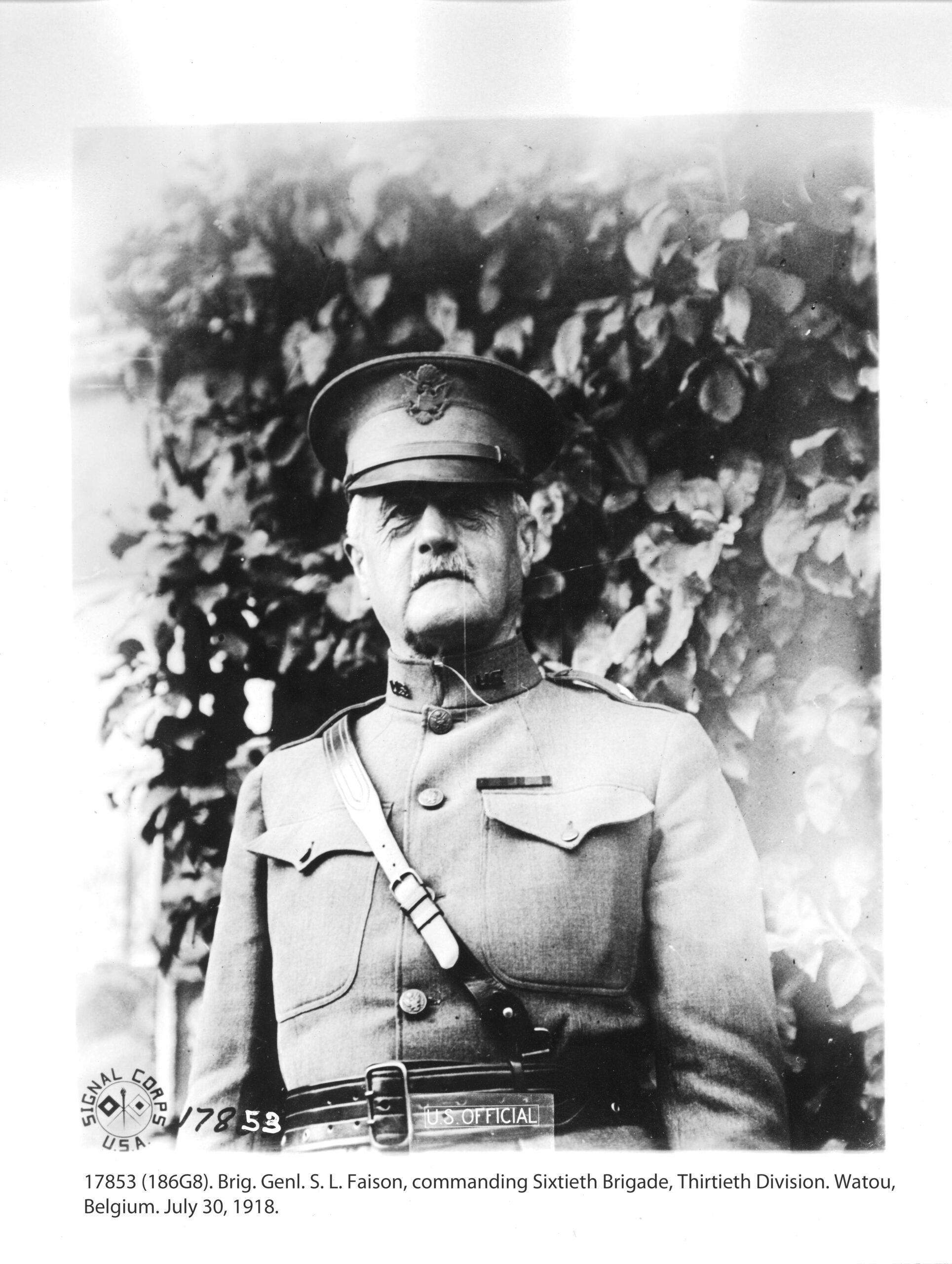
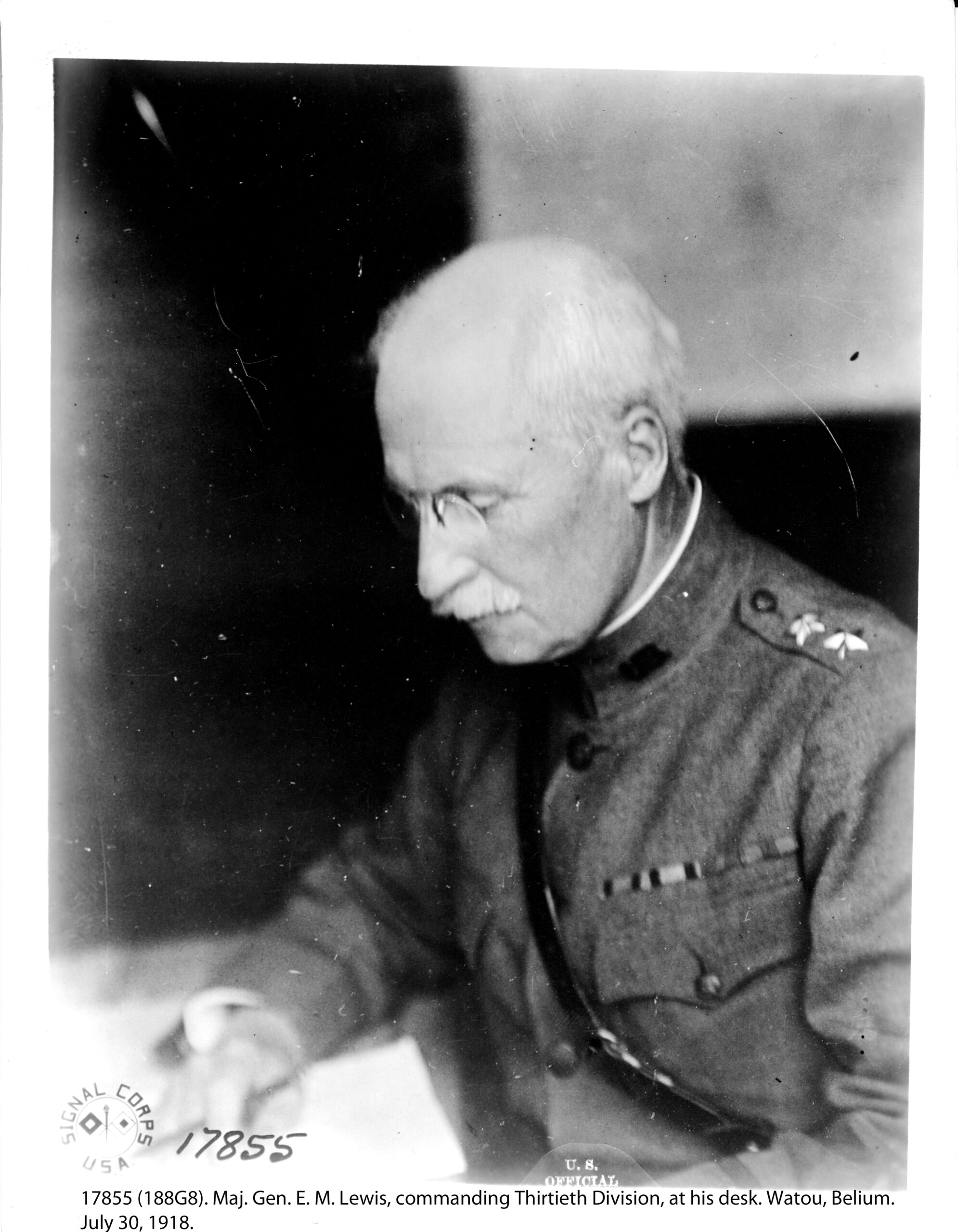
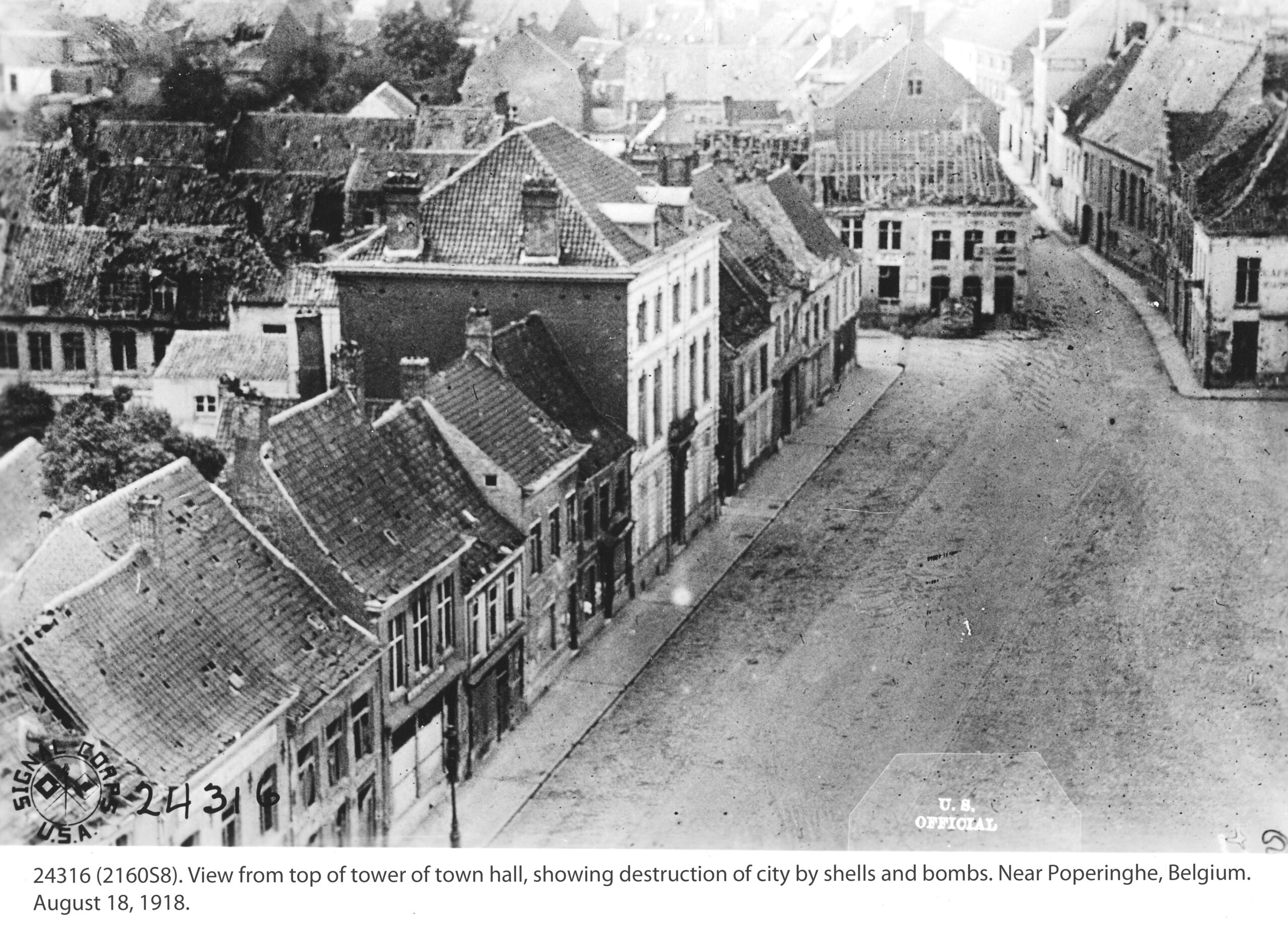
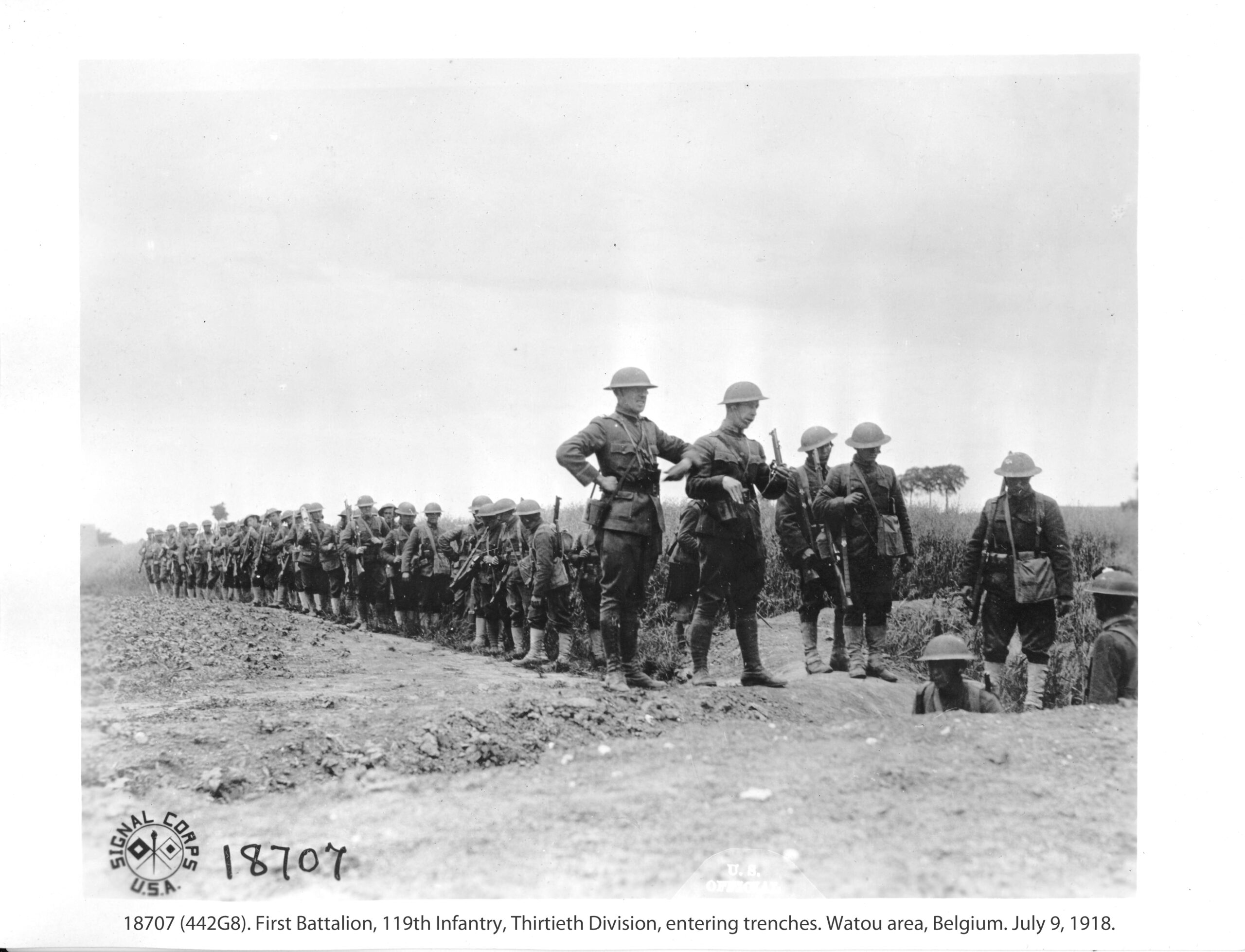
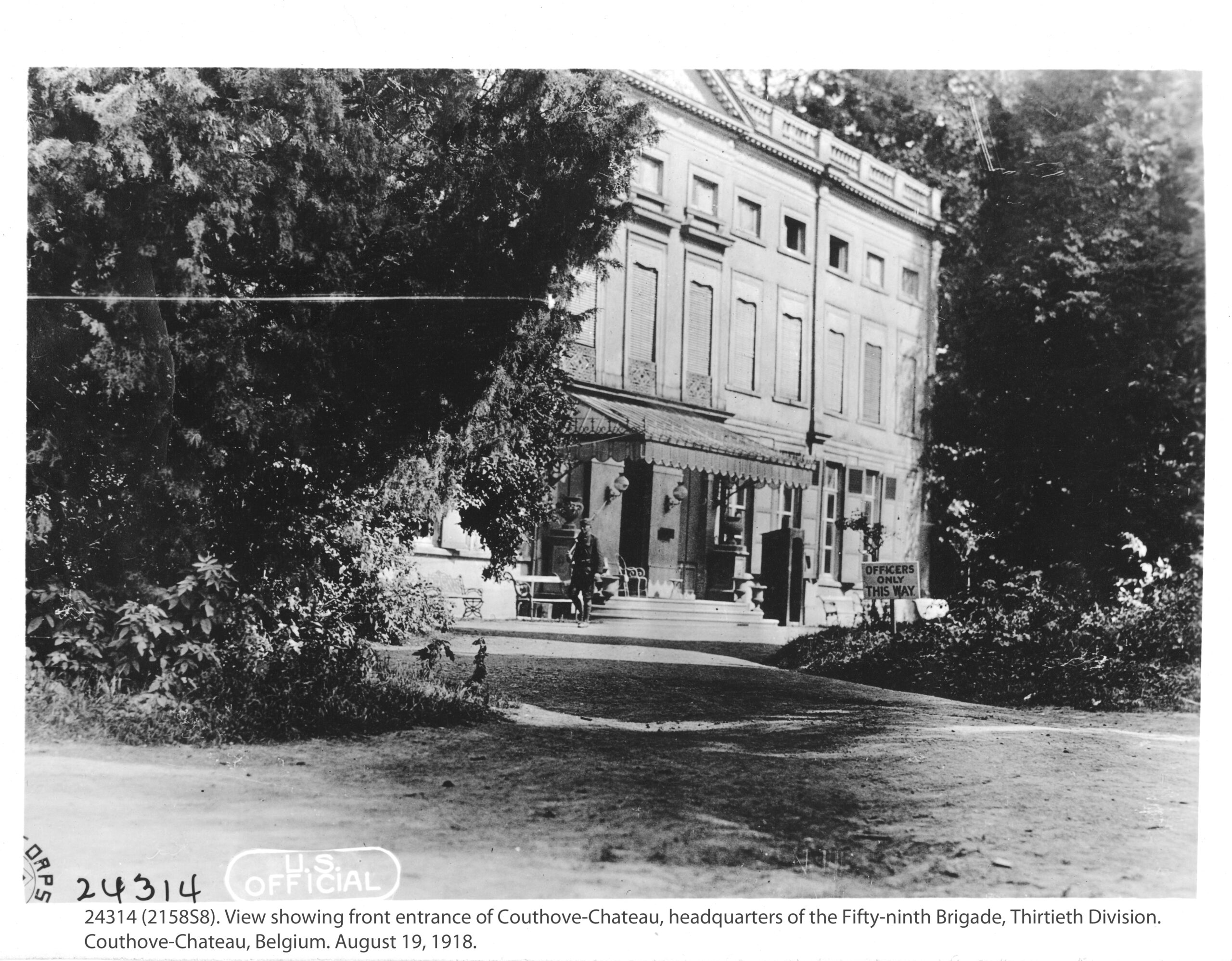
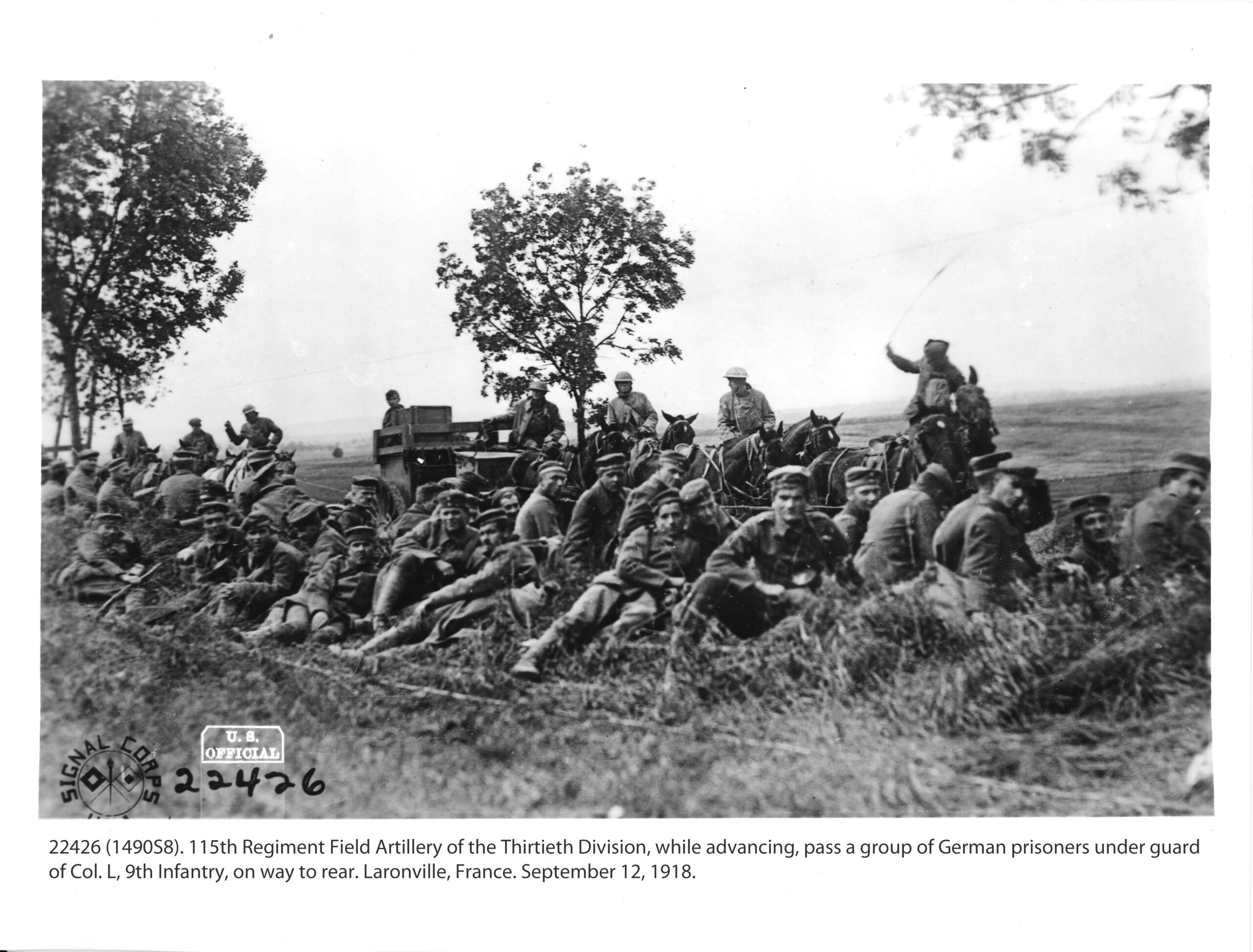
Ypres—“Wipers” in the language of the British Tommies—stands among the most symbolic battlefields of the First World War. Over four years of relentless fighting, the salient became synonymous with attrition, mud, and unyielding sacrifice. Its shattered churches, cratered fields, and endless rows of cemeteries still testify to the scale of the struggle. It was into this landscape, already steeped in blood and memory, that the American 30th Division—“Old Hickory”—entered the line in the late summer of 1918, alongside the 27th Division, for its first sustained experience of combat on the Western Front.
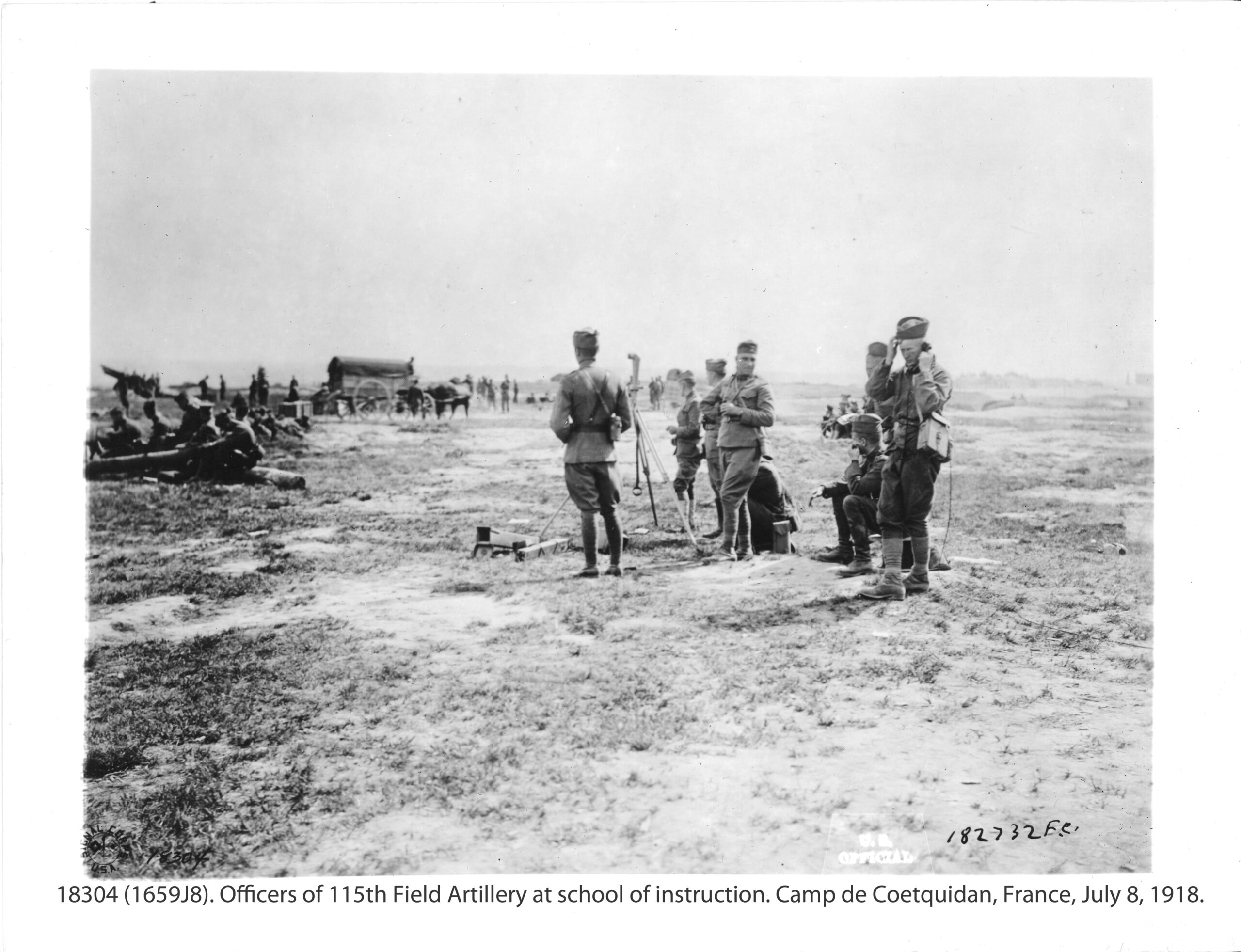
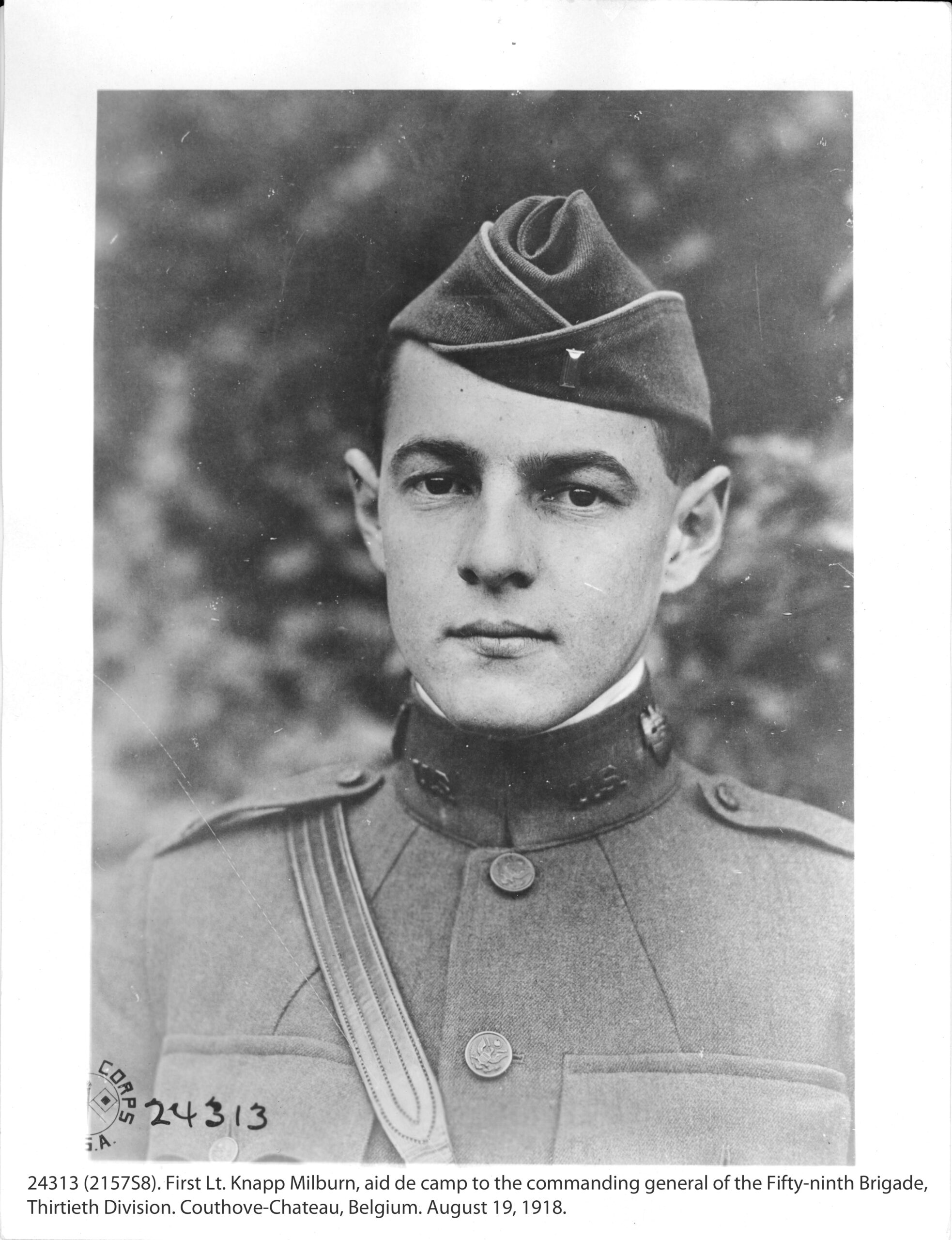
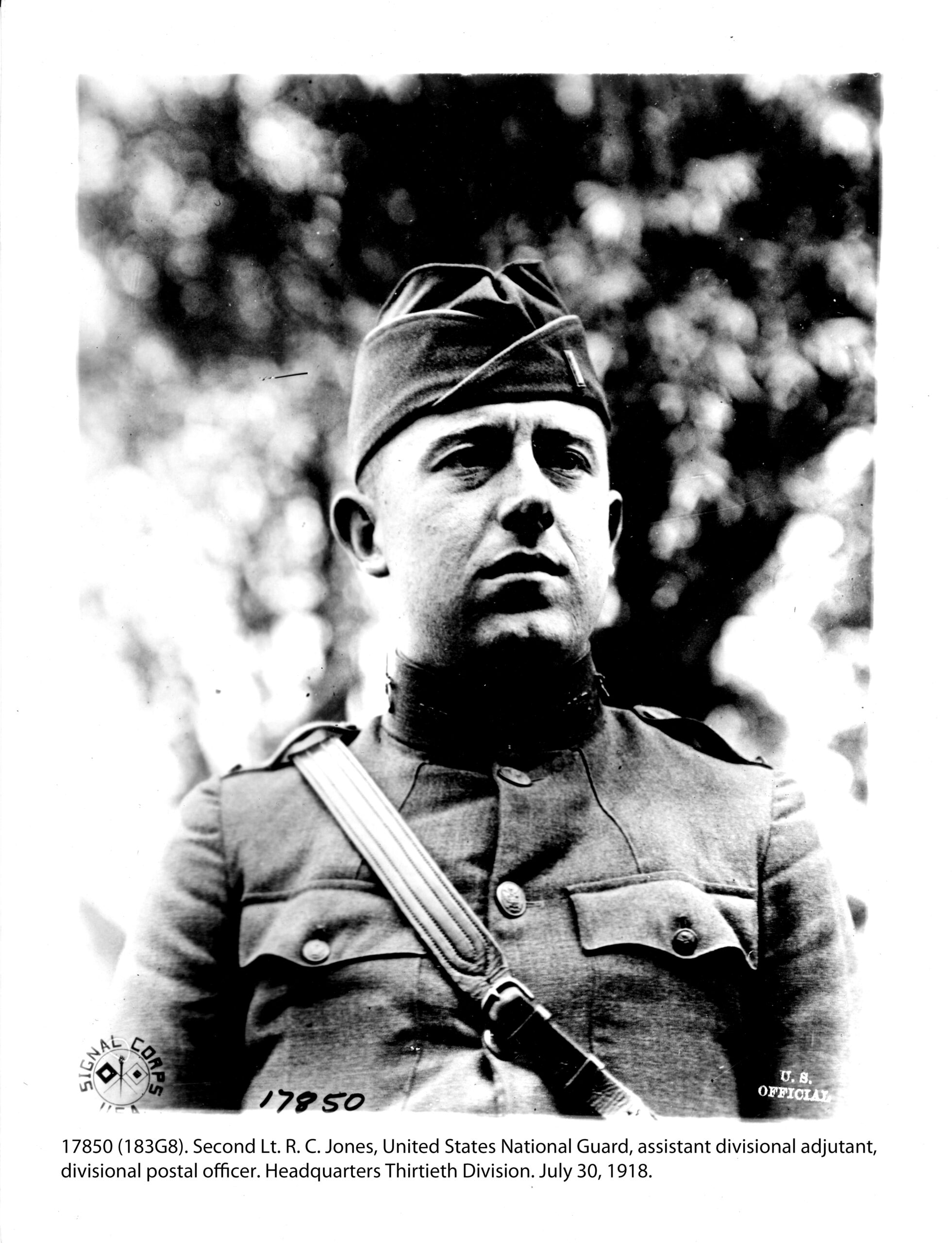
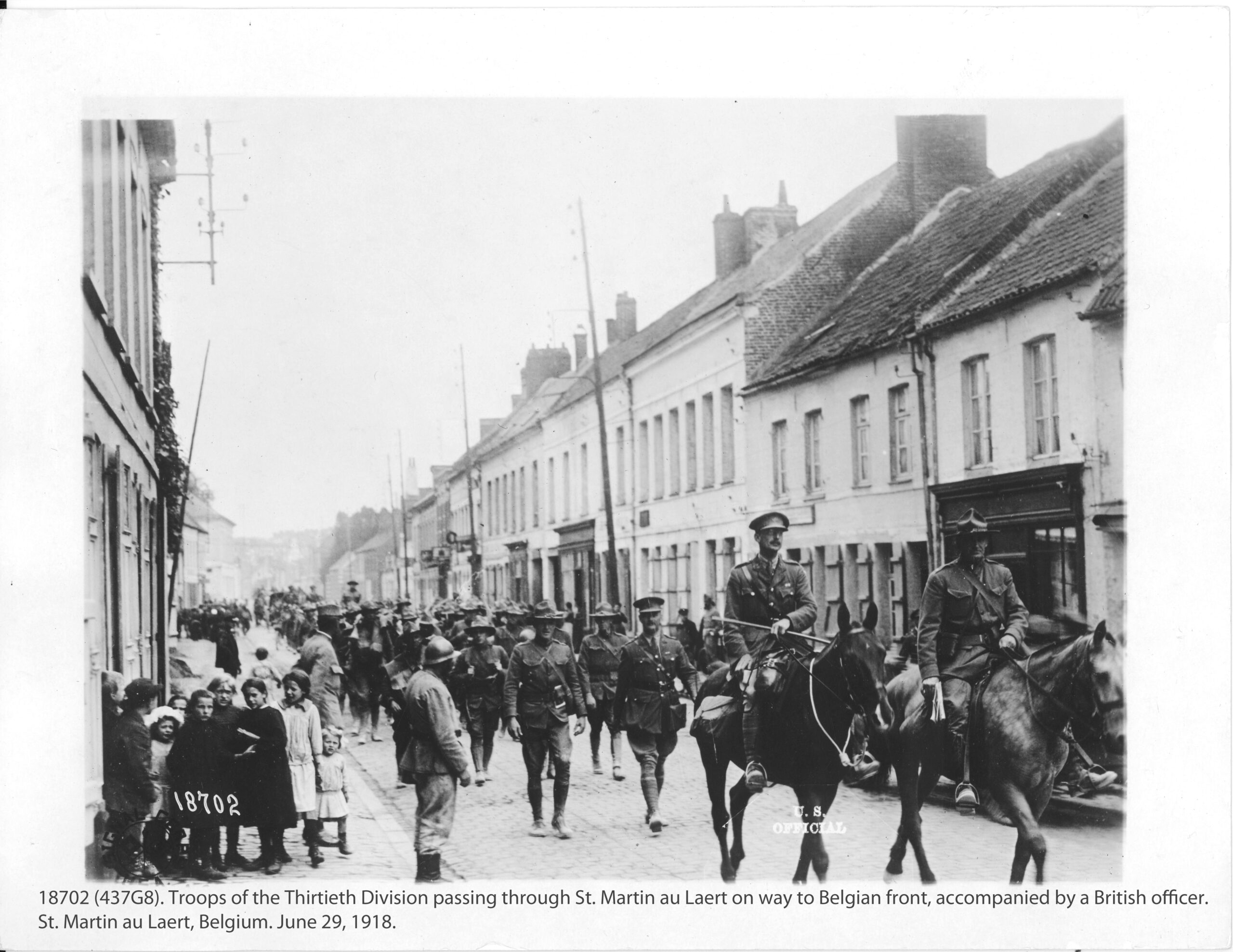
Composed largely of National Guard units from North and South Carolina and Tennessee, the 30th Division represented the transition of the American Army from a force in training to one capable of operating within the complex framework of Allied coalition warfare. Placed under British command as part of the American II Corps, its regiments underwent intensive instruction under experienced British formations before being committed to operations in the Ypres–Lys sector. This arrangement, born of logistical necessity and strategic compromise between General John J. Pershing and Field Marshal Sir Douglas Haig, exposed American troops to the realities of trench warfare under some of the most seasoned conditions of the war.
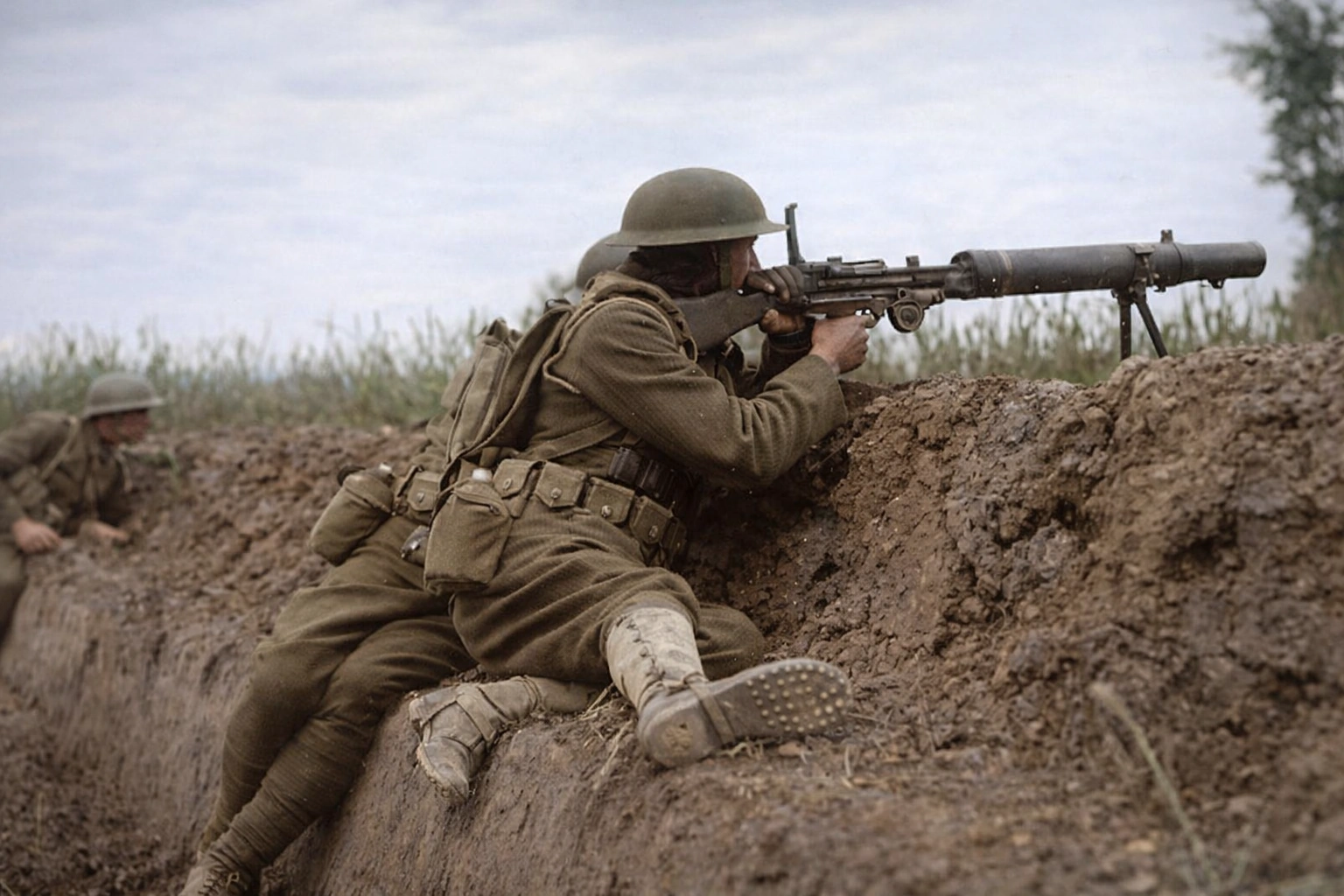
By August 1918, the division occupied positions southwest of Ypres, facing the commanding heights of Kemmel Hill and the surrounding ridge system—terrain fiercely contested earlier that year during the German spring offensives. Though the enemy had begun a phased withdrawal, resistance remained determined and methodical. The sector, dominated by broken ground, water-filled shell craters, and exposed approaches overlooked by German positions, offered little margin for error. For the men of the 30th Division, the coming operations would serve not only as a tactical engagement but as a test of discipline, cohesion, and endurance under fire.
Between 30 August and 1 September 1918, the division advanced in coordination with adjacent units, probing German defenses around Vierstraat, Voormezeele, and Wytschaete. These actions, though limited in scope, marked the division’s baptism of fire. Under artillery bombardment, intermittent machine-gun resistance, and persistent logistical challenges, the American soldiers gained their first hard-earned experience of modern industrial warfare—an experience that would shape their performance in the decisive operations that followed later in the war.
(All the photo were uploaded in 3600px)