



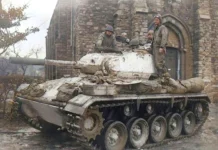
Panzer-Brigade 150
– SS-Obersturmbannführer Otto Skorzeny
– Adjutant, Oberleutnant Adolf Galland
– Signal, Hauptmann Streckfuss
– Ordnance, Leutnant Blau
Kampfgruppe X
– Oberstleutnant Hermann Wulf
– HQs Sec
– Signal Sec
– Engineer Sec
– Armored Sec
– Recon Sec
– Signal Sec
– Mortar Sec
– Medical Sec
– Fallsch Bn Major Max Schluckebier
– 1, 2, 3, 4 Cos, SS-Obersturmführer Fritz Leifheit

(Doc Snafu) Please note that the entire listing above and below is not complete nor correct. Help is of course welcomed and if you have information to complete this roster do not hesitate and use the Feedback form below.
Kampgruppe Y
– Hauptmann Walter Scherff
– Adjutant, Leutnant Hans Senftleben
– Ordnance Officer, Leutnant Hans-Jürgen Haß
– Signal, Oberleutnant Reble
– Engineer, Oberleutnant Wetterling
– Pay Officer, Oberzahlmeister Otto Brenner
– Armored Company, Leutnant Albert Ernst
– 20-MM AAA Co, Leutnant Stein
– Mortar, Leutnant Täubricht
– Fallsch Bn Leutnant Rudolf Bading;
– 1, 2, 3, 4 Cos, SS-Oberstrumführer Manns (ex 1./SS-Jäger-Bataillon 502).
Kampfgruppe Z
– SS-Obersturmbannführer Willi Hardieck (WIA Dec 17, 1944, DOW Dec 18, 1944) and replaced by SS-Hauptsturmführer Adrian von Fölkersam
– Adjutant, SS-Untersturmführer Lochner
– Armored Co, OberFeldwebel Wölfel
– Fallsch Bn Oberleutnant Kreyenbrink
– 1, 2, 3, 4. Cos, Leutnant Grabowski.
Commando Company von Behr (Einheit Stielau)
– Coverte Captain Phillip von Behr & SS-Obersturmführer Lothar Stielau
– (1) Sabotage Group: 10 Teams, each one Jeep with 5 to 6 men
– (2) Recon teams, 10 Teams, each one Jeep with 3 to 4 men
– (3) Spearhead Group, 10 Teams, each one Jeep with 3 to 4 men
– One team of the latter group was attached to the 1.SS-Panzer-Division
– One team to the 12.SS-Panzer-Division
– One team to the 12.Volksgrenadier-Division
– Remainder teams were spearheading the Panzer-Brigade 150
– 24 teams Recon
– 8 teams Radio
– 7 teams Sabotage.
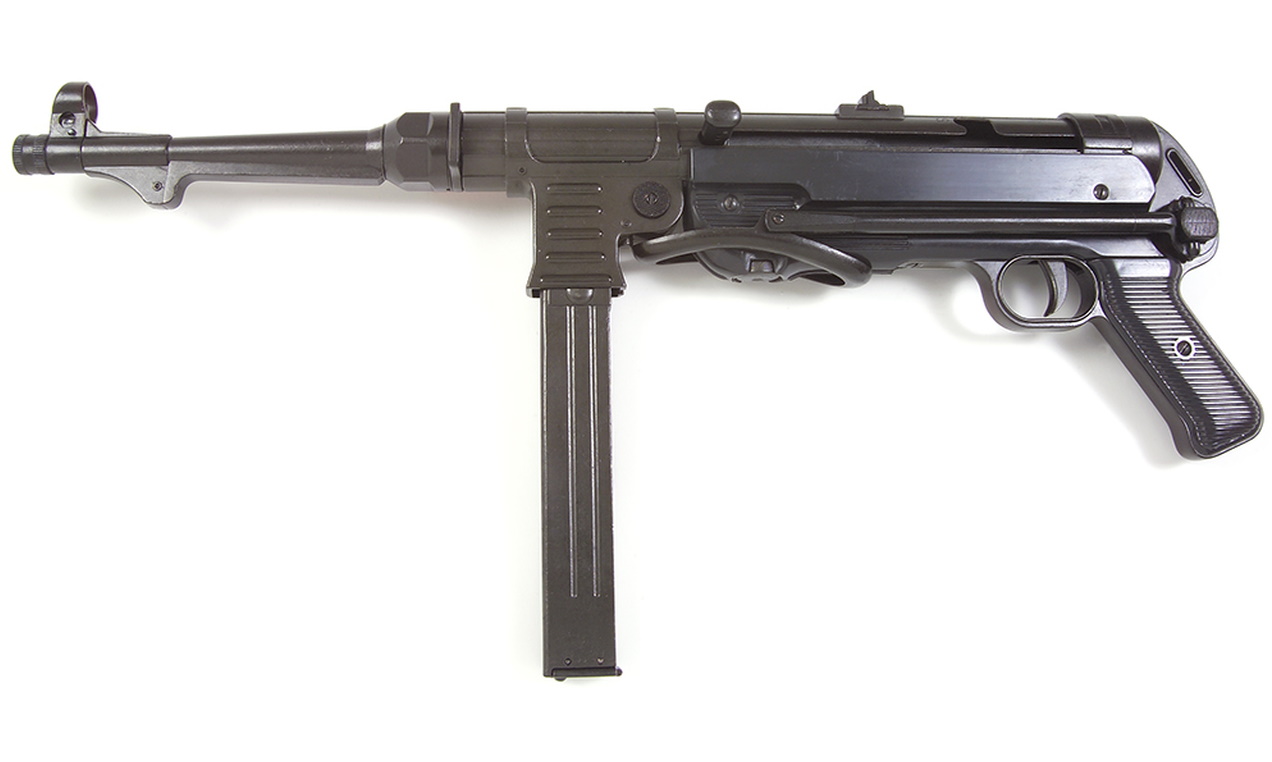
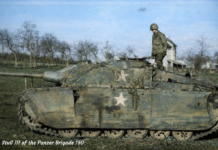
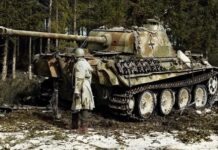
The forces of the Panzer-Brigade 150, except the modified tanks and olive drab vehicles and the soldiers of the commando company, were eventually equipped with German material and weapons. The overall result was far from what was expected. Skorzeny reported these shortages and difficulties to his higher headquarters. During several situation conferences at the FHQ, Skorzeny stated his perpetual complaints about the failure to procure the needed personnel and equipment. At the last situation conference, he summed up the overall situation of the Operation Greif force: we are having to improvise from A to Z, but we will do all that is possible. The capability of the brigade was now split in three ways. Each battlegroup was the size of an under-strength infantry battalion with armor attached. Each battle group lacked the combat power for any type of determined fighting before reaching their targets. They would have barely enough to seize and hold their objectives. Lacking artillery and AT weapons, the battlegroups could not be expected to realistically hold the bridges against determined American counterattacks for any long period.

The battlegroups would have to get to their targets quickly, and without fighting, and then be promptly relieved. This task organization reflected the units that each battle group would eventually support and follow. Kampfgruppe X, the most capable, would work with the 1.SS-Panzer-Division LSSAH (I.SS-Panzer-Corps main effort). Kampfgruppe Y would operate with the 12.SS-Panzer-Division HJ and Kampfgruppe Z, the least capable of the groups was destined to operate with the 12.Volksgrenadier-Division, an infantry organization lacking much armor, and given a supporting role in the attack.
Commandos Company
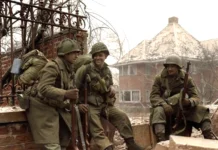
The Commandos Company aka Einheit Stielau, named after their commander, SS-Obersturmführer Lothar Stielau, was task organized into three groups based upon their assigned missions. These commandos were equipped with American jeeps and arms and wore American uniforms. Comprised of the best of the English speakers, most commandos were credible doubles of their American counterparts. The first group within the commandos was the Recon Group which was comprised of three to four-man teams mounted in jeeps. These teams were to conduct the deep recon of the bridge targeted and the routes to them, as well as to conduct limited acts of sabotage such as removing road signs and issuing false commands.
The next group was the Demolition Group which comprised several five to six-man teams. These teams were to locate and destroy bridges, munition, and fuel dumps to spread confusion in the enemy rear. The last group was known as the Lead Commandos and consisted of three to four-man teams who worked in direct support of the Lead Regiments of the attacking divisions. In addition to conducting local recon forward of the attacking forces, these teams would also disrupt enemy command and control by cutting telephone wires and issuing false commands.
Eventually a total of eleven complete operational teams were formed within the commando company. These teams were split among each of the three groups of the commando company. Each team consisted of three to five men based upon an American jeep equipped with radio gear. The individual team members performed the roles of team commander, driver, saboteur or radio operator, and interpreter. This last team member was the only one on the team who could speak perfect English including the use of American slang. The team members replicated various types of units and ranks, the highest rank used that of an American colonel. Each was given an American identity to role play, and all were from the US 5th Armored Division. Actual German rank did not figure in the assignment of American rank, but language skills did. Thus, from being Obergefreiter Rolf Meyer the lance-corporal found himself promoted to 2/Lt Charlie Holtzman; Leutnant Gunther Schlitz ended up as Cpl John Weller, and so on.
Training of the men for the Greif force began at once at Grafenwoehr under SS-Obersturmbannfuehrer Willi Hardiek, who became Skorzen’s deputy. The battle groups of the 150.Panzer-Brigade settled into their new task organization, began familiarization training with their equipment, and conducted battle drills. Most of the training was generic.
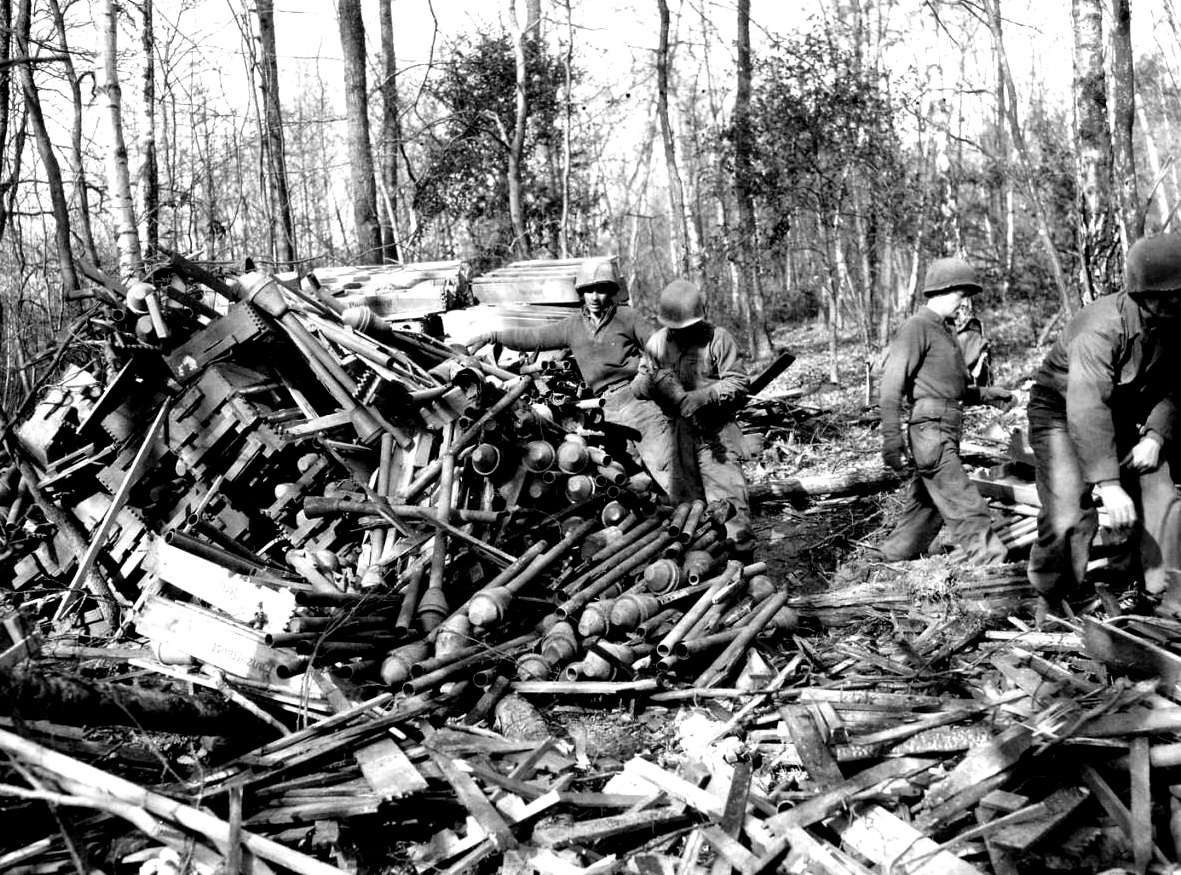
Although they trained hard, the brigade was never fully prepared. As a result of difficulties experienced simply moving from Grafenwoehr to their forward assembly area in the Blankenheim Forest on December 13 shortly before the offensive, Skorzeny was to note: we were already made aware that in some respects the men’s training had not been all that it should have been. Although the men of the battlegroups understood that they were to be employed in some type of special role, none, including the battle group commanders knew of their actual mission until just days before the offensive started. For security reasons, Skorzeny was not permitted to divulge any information about the actual offensive until authorized by FHQ. Skorzeny described the following cover story: In the middle of November I called my three group commanders together and told them that we were expecting an American offensive somewhere in the Aachen sector and that we planned to let the Americans penetrate our lines and then cut them off. I told them that it was at this time that our brigade was to create considerable disturbances in the rear lines and to help in the annihilation of these forces. Around December 1, all of the officers of the brigade were given an outline of their plans. It was not until December 10 that even the group commanders were aware of the actual plans for the attack.
This strict requirement for secrecy, with violations punishable by death, was severely hindered the training and rehearsing of the brigade. Execution of their missions would suffer accordingly. By the time all elements were finally briefed on their actual missions and plans of attack, the Greif force was departing its Grafenwoehr training site and moving to assembly areas for the offensive.
Wartime Annecdots – Operation Greif
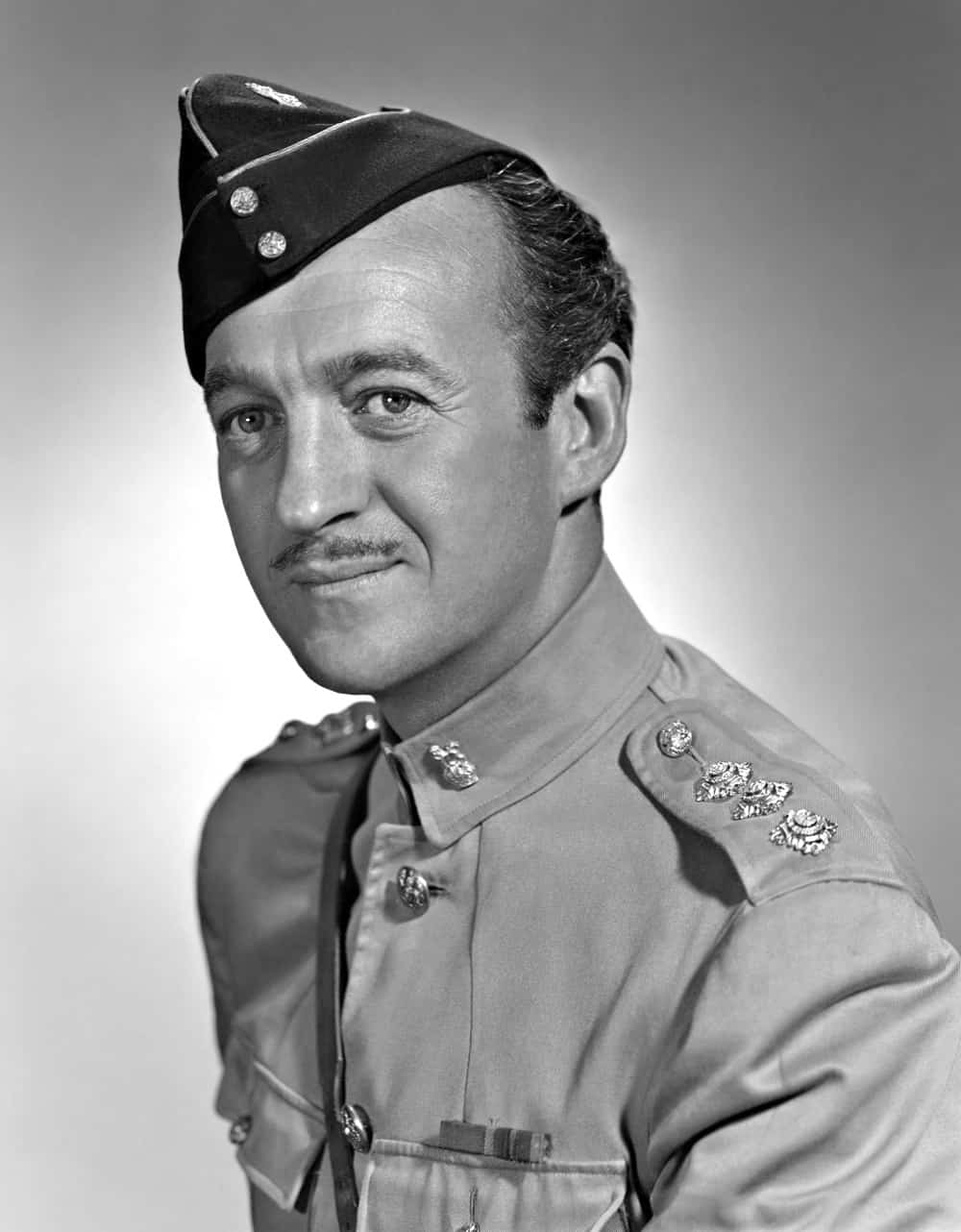
British Officers moving about in the US Ninth Army rear area aroused considerable suspicion. Actor David Niven, a British reconnaissance officer wearing a British Army uniform, was stopped and questioned by an American sentry.
Who won the World Series in 1940? the guard demanded.
I haven’t the faintest idea, the urbane Niven claimed later to have replied but I do know that I made a picture with Ginger Rogers in 1939.
OK, beat it, Dave, the GI said. But watch your step, for chrissake.

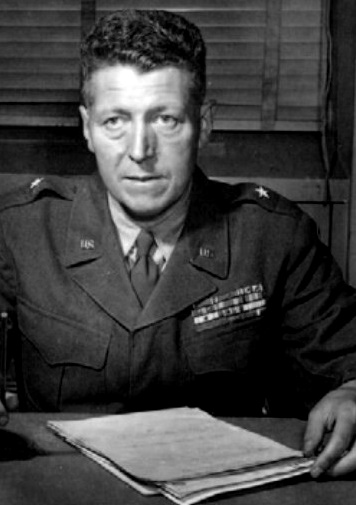 By December 20, the initial period of chaos in the Allied lines had passed. The Germans were still pushing against them but hadn’t made their great breakthrough. Thanks to Clarke, they never would. But the crisis wasn’t over yet. That morning, Gen Bruce C. Clarke CO of CCB 7-AD, set out to inspect the perimeter. There, he met a group of MP. Unfortunately, the MPs didn’t recognize him. And after hearing so many stories about Skorzeny’s infiltrators, they weren’t taking any chances. The MPs decided to arrest the general.
I’m General Bruce Clarke! Clarke told them.
But the MPs were having none of it. Even the CIC, Gen Dwight D. Eisenhower, was being kept under close guard for his own safety.
I’m General Bruce Clarke! the commander repeated.
Like hell! the MPs responded.
Their captor didn’t even know which league the Chicago Cubs were in – he was a spy. They took him to a nearby house and locked him up. One man on the scene was in a position to help. Pfc Mike Klimick of the 87-CRS had seen Clarke before and he knew that the MPs had made a mistake. But what could he do about it? Five hours later, somebody finally identified Clarke to the MPs’ satisfaction. He was let out of captivity and rushed back saving the American Army from disaster. The embarrassed MPs were forced to admit that they had been wrong.
The US soldiers spent an inordinate amount of time checking up on each other, and the GIs questioned everyone, right up to Gen Omar N. Bradley. Questions that could only be answered by a ‘real’ American. Who plays center field for the Yankees? Who is Mickey Mouse’s wife? What is the capital of Illinois? Gen Bradley was detained for answering Springfield for the last question; the soldier who stopped him insisted it was Chicago. Another general was arrested because he said the Chicago Cubs played in the American League.
 There was no time to conduct full scale rehearsals with the units. There was no time for personal reconnaissance. Perhaps most importantly, there was no opportunity to conduct the detailed coordination required of such an operation with the conventional panzer units of I.SS-Panzer-Corps that they would be supporting and moving behind. For an operation requiring close coordination with the attacking forces, this situation was to cause several problems later in the offensive. The training of the commando company was a different matter. Although also misled about the actual nature of their mission in the name of containing security leaks, the commandos began training in earnest at Grafenwoehr in preparation for their tasks. Skorzeny naturally devoted special attention to the commando company’s training because they were charged with the second pan of the Greif mission, and because he was concerned over the capability of this force. He expressed this view: none of the volunteers selected for this unit had ever had any experience in that line. There were no trained spies or saboteurs among them. In the few weeks at our disposal, we could hardly hope to teach them their job properly.
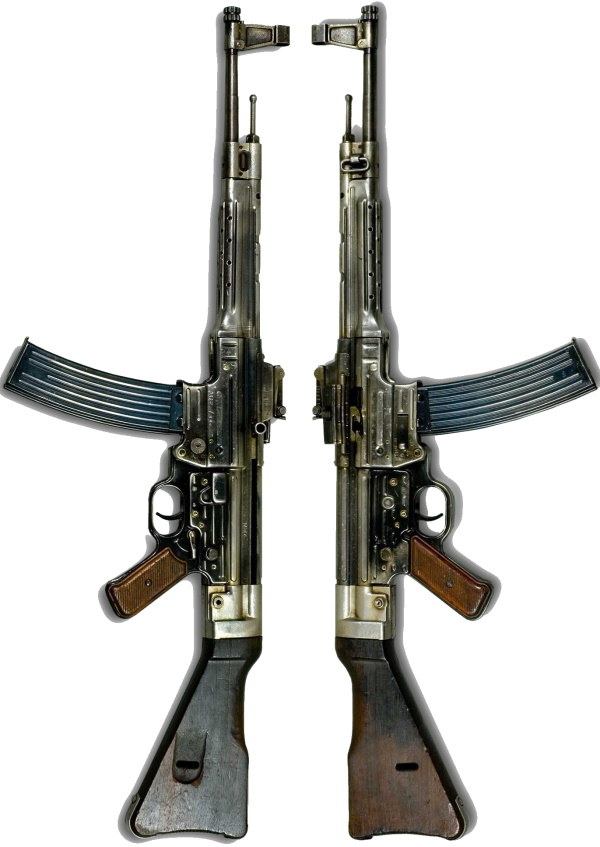
But they tried. Initial training focused on becoming realistic American GIs. The commandos of the Stielau Einheit refreshed and reviewed their English speaking ability, with particular emphasis on learning the idioms and slang of the American GI. They worked with their American weapons and gear. The commandos read American literature, viewed American films, and even visited POW camps at Kustrin and Limburg to mix with real American soldiers and observe them firsthand. The team members rehearsed their assumed American identities and learned how to drive and operate the American jeeps. Radio operators received special training in the operation of their radio sets. For those lacking, basic combat skills were hurriedly taught. The volunteers were trained in close combat, sabotage and recon skills, the use of plastic explosives, and employing their new silenced machine pistols.
The training received was far from complete, but the commando unit would have to make do with the few weeks of training time available. While training in isolation at Grafenwoehr, numerous rumors concerning the probable missions for the unit ran wild among the men. Rather than squelch these, Skorzeny fueled some of them in an attempt to maintain a cover for the unit and mission. This was to have amazing repercussions once the operation commenced. Skorzeny attempted to coordinate Operation Greif with the various players involved. However, this coordination was at the highest command levels, and not with the actual commanders of the lead units his men would be working with. This would prove to have serious repercussions later. In an attempt to get better support and coordinate some tactical details, Skorzeny met with FDM von Rundstedt at his headquarters in November. The Feldmarschall’s support for Operation Greif was lacking, as after briefing him on the Operation, Skorzeny noted his reactions as disappointing. He appeared to be like-warm to the special operation and was particularly concerned over the use of enemy uniforms.
A similar meeting with FDM Model’s Chief of Staff, General d. Infanterie Hans Krebs was slightly better. Skorzny’s plans for Greif were approved and he received the promise of full support, though this would prove to be long in coming. Before the offensive, Skorzeny attended one last high-level meeting at Model’s headquarters (December 12) where the final orders were issued to the corps and division commanders. Mödel asked Skorzeny to brief the assembled commanders on Operation Greif. At this meeting, the detailed measures to avoid fratricide between Skorzeny’s Americans and real regular German soldiers were discussed as the danger of inadvertently shooting Greif forces was high. As aids to identifying the Grey forces as friendly Germans, several special recognition signals were employed.