

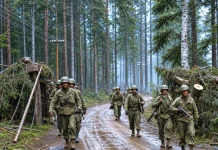


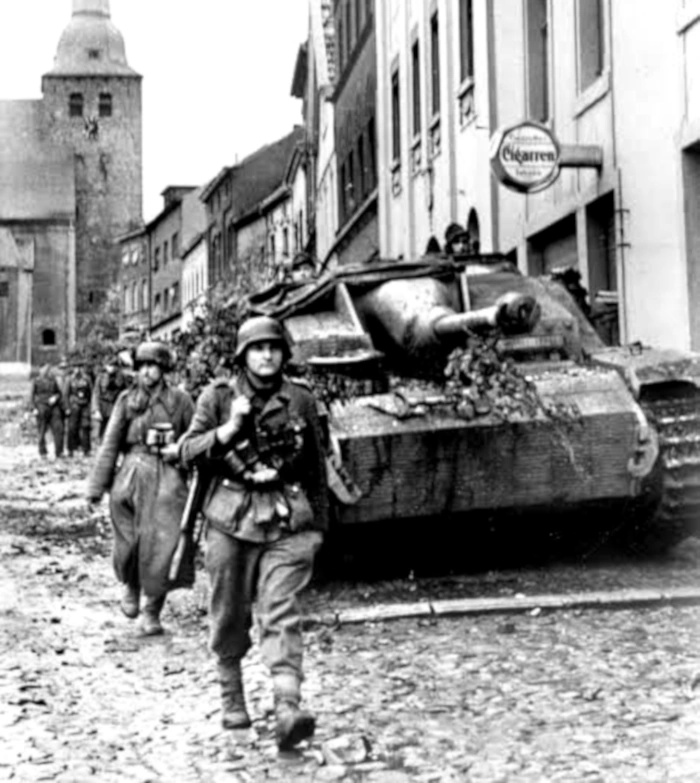
Early in the morning of September 16, the eagerly awaited first elements of the 12.Infantry-Division arrived. The situation was now too critical for the LXXXI Corps to keep its promise to Col Engel to give him an opportunity for assembling his entire division before it was committed. In view of the American penetration in the Verlautenheide – Atsch area and the imminently expected drive on Eschweiler, Gen Schack ordered the 27.Fusilier-Regiment to go into action straight from the railroad station.
As soon as its 1st Battalion and antitank company had detrained at Jülich, they were moved to the Verlautenheide Area by all military and civilian means of transport available — personnel carriers, mail trucks, buses, and the like. The 3d Battalion, arriving in Düren, received orders to move from Eschweiler to the edge of the woods southwest of Schwarzenbruch (Würseler Forest). The 12.Infanty-Division artillery was not expected until 2200 on September 16. Until then the 27.Fusiliers had to rely on co-operation with the 9.Panzer-Division and the 116.Panzer-Division artillery.
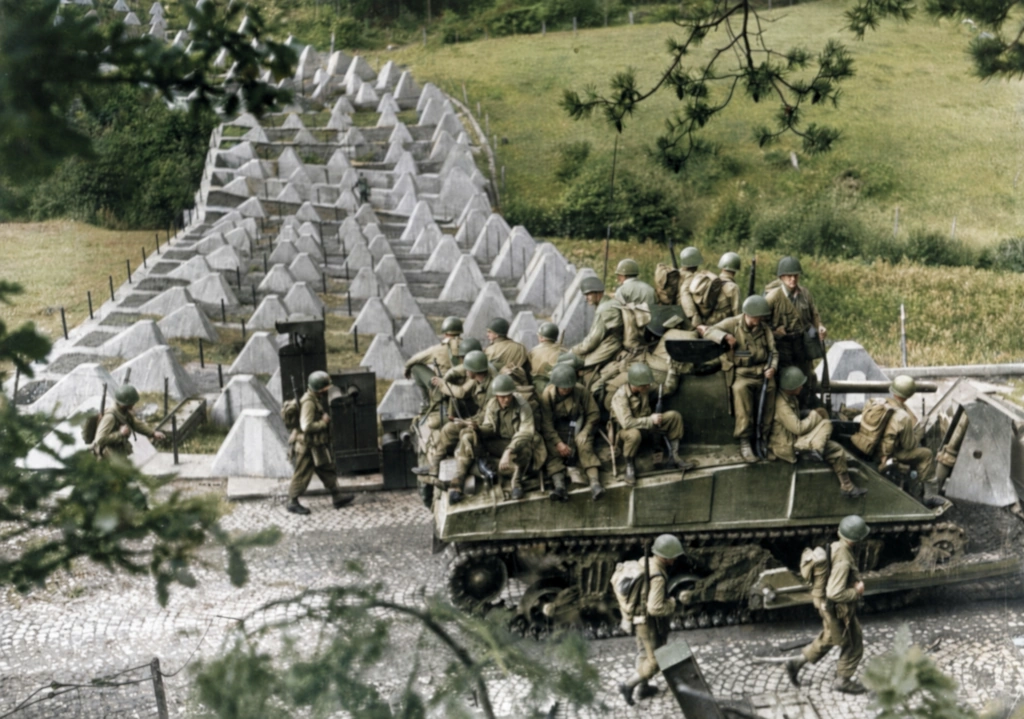
In the sector of the 116.Panzer-Division the counterattack of the 27.Fusilier-Regiment took the US VII Corps forces by surprise and was successful. The 1st Battalion pushed the American spearhead out of Verlautenheide and captured the strategically important high ground around this village. The battalion continued its drive toward Eilendorf and recaptured most of the bunkers along the Verlautenheide – Eilendorf Road. Before reaching Eilendorf, however, the attack bogged down in the face of American resistance. Shortly after noon on September 16, the Americans resumed their drive toward Eschweiler. A two-pronged attack from west and south converged on Buesbach, capturing the village. American forces exerted pressure against the Stolberg Area with attacks on Hamm – Schneidmuehle – Muensterbusch and the southern outskirts of Stolberg itself.
Tel Conv, LXXXI Corps to 12 Inf Div, 0850 on 16 Sep 44, and Order, LXXXI Corps to 12 Inf Div, 1015 on 16 Sep 44, LXXXI Corps KTB, Kampfverlauf
Tel Conv, LXXXI Corps to 12 Inf Div, 1800 on 16 Sep 44, and Tel Conv, LXXXI Corps to 116 Pz Div, 2130 on 16 Sep 44, LXXXI Corps KTB, Kampfverlauf
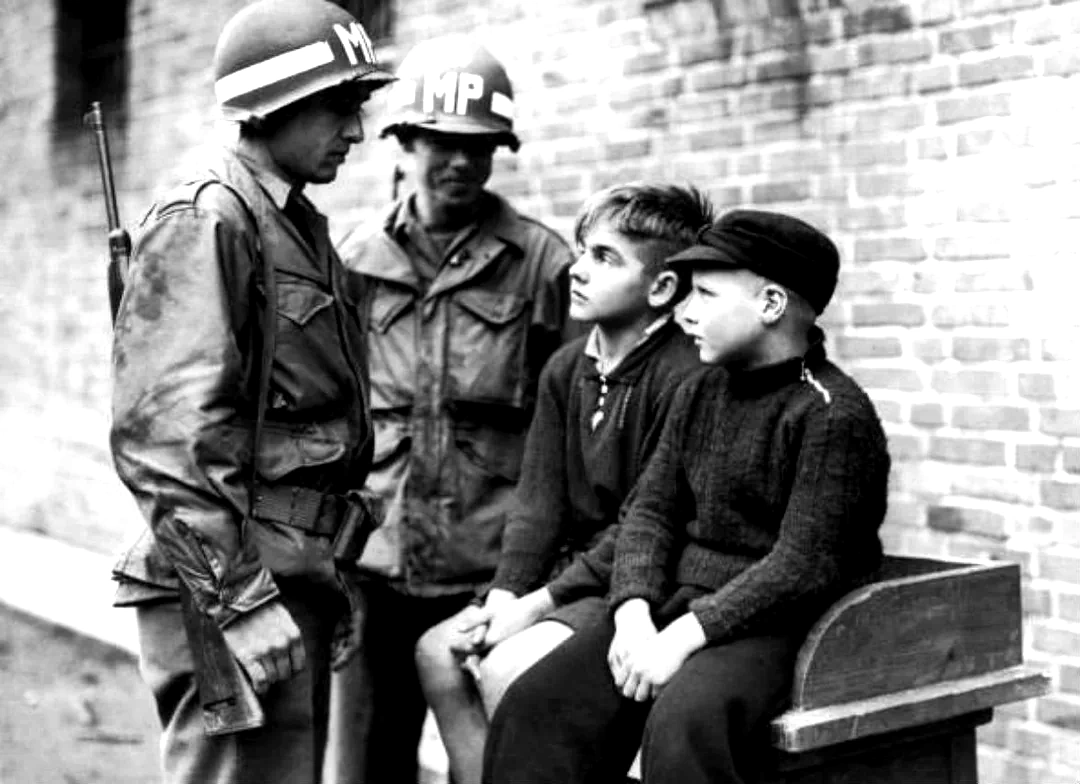
From the salient at Mausbach and Weissenberg Hill US armor jumped off in a northerly and northeasterly direction. In bitter tank battles which lasted throughout the afternoon the VII Corps forces achieved their deepest penetration of the Stolberg Corridor to date when they captured Diepenlinchen – Gressenich – Krewinkel – Schevenhuette. The 3d Battalion of the 27.Fusilier-Regiment had moved rapidly through Eschweiler toward the endangered Stolberg Area. The battalion captured Atsch at 1330. Continuing south, the battalion was able to regain control of Buesbach — but only for a few hours. By evening Buesbach was once more American. In the face of the strong American assault in the Stolberg Corridor the forces of the 27.Fusilier-Regiment did not suffice to re-establish a coherent German front from Stolberg to Zweifall and to wipe out the American bridgeheads across the Vicht River. The big German counter combat had to wait until the 12.Infantry-Division could move its own artillery and its other two infantry regiments into the combat area. In the meantime, the 27.Fusilier-Regiment could do no more than seal off the latest American penetrations with the aid of the remaining elements of the 9.Panzer-Division. In view of the very critical situation in this sector German forces were consolidated under one command.
Renamed Kampfgruppe Sperling, the remaining elements of the 9.Panzer-Division temporarily lost their division status. Effective 2000 on September 16, Kampfgruppe Sperling was attached to the 12.Infantry-Division with the proviso that its forces would be released once the 12.Infantry-Division was fully committed. Col Engel now commanded the former sector of the 9.Panzer-Division from the Verlautenheide Area to the LXXXI Corps southern boundary. By capturing the strategic high ground of Verlautenheide, the 12.Infantry-Division had established a coherent front on its right and had firm contact with the 116.Panzer-Division. On the left, however, the German flank lay exposed all the way to Schevenhütte. The most important immediate task was to establish contact with the northern wing of the 353.Infantry-Division in the Zweifall – Hürtgen area. The combat mission of the 12.Infantry-Division was to launch a major counterattack from the Eschweiler – Wenau Line to regain the second band of the West Wall fortifications from Geisberg Hill to Zweifall.
 Evg Sitrep, LXXXI Corps, 1700 on 16 Sep 44, and Daily Sitrep, LXXXI Corps, 2140 on 16 Sep 44, LXXXI Corps KTB, Tagesmeldungen; TWX, 9 Pz Div to LXXXI Corps, 2100 on 16 Sep 44, LXXXI Corps KTB, Meldungen der Div
Evg Sitrep, LXXXI Corps, 1700 on 16 Sep 44, LXXXI Corps KTB, Tagesmeldungen
Tel Conv, LXXXI Corps to 12 Inf Div, 1725 on 16 Sep 44, LXXXI Corps KTB, Kampfverlauf; Order, LXXXI Corps to all divs, 2000 on 16 Sep 44, LXXXI Corps KTB, Befehle an Div.; Report, Gen Brandenberger to A Gp B, 16 Sep 44, LXXXI Corps KTB, Befehle: Heeresgruppe, Armee, usw. There was another motive for attaching the elements of 9 Panzer Division to 12 Infantry Division. In the morning of 16 September 1944 Gen Brandenberger had visited the 9 Panzer Division command post and had asked routine questions regarding the German G-2 estimate of the American situation in the division sector, the location of the 9 Panzer Division front lines, disposition and strength of 9 Panzer Division forces, etc. In attempting to answer these questions Gen Mueller revealed himself as ignorant of the situation in his own sector, whereupon Gen Brandenberger relieved him of his command on a charge of incompetence. The senior regimental commander, Col Max Sperling, assumed command of 9 Panzer Division until evening of 16 September. In this study the designation 9 Panzer Division will continue to be used in reference to these units
Order, LXXXI Corps to all divs, 2000 on 16 Sep 44, LXXXI Corps KTB, Befehle an Div
Daily Sitrep, 116 Pz Div, 16 Sep 44, LXXXI Corps KTB, Tagesmeldungen; Tel Cony, LXXXI Corps to 116 Pz Div, 2350 on 16 Sep 44, LXXXI Corps KTB, Kampfverlauf
 South of Aachen, minor American attacks toward the city on September 16, were warded off by the 60.Panzer-Grenadier-Regiment. A small American penetration south of Steinebrück was wiped out when the 453.Replacement-Training-Battalion counterattacked late in the day and recaptured two bunkers. Police and Party had returned to Aachen during the night from September 14 to 15, and the evacuation was once more in full swing. Gen von Schwerin was in big trouble. When US forces had failed to capture the city contrary to his expectation his compromising letter to the American commander had fallen into the hands of Nazi officials. Because of both this letter and his effort to stop the chaotic exodus from Aachen, von Schwerin was relieved of his command and ordered to stand trial before Hitler’s ‘People’s Court’. Rather than comply, von Schwerin decided to remain with his division until the fall of Aachen. He felt that his men would know how to protect him against Nazi henchmen. While his senior regimental commander, Gen Voigtsberger, assumed the duties of division commander until the arrival of Gen von Waldenburg, von Schwerin hid out in a farmer’s home in Kohlscheid, northeast of Laurensberg. The reconnaissance platoon of the 60.Panzer-Grenadier-Regiment surrounded the farmhouse with a cordon of machine guns. No police detachment trying to arrest their division commander would have escaped alive. When the capture of Aachen did not materialize, Gen von Schwerin finally decided to present himself at the Seventh-Army headquarters to appear before a military court.
Report, FM Yodel to OB WEST, 2330 on 15 Sep 44, A Gp B KTB, Operations-Befehle; Tel Conv, G-1 to G-3, LXXXI Corps, 1045 on 16 Sep 44, and Tel Conv, Seventh Army to LXXXI Corps, 1945 on 17 Sep 44, LXXXI Corps KTB, Kampfverlauf; 201-File on Generalleutnant Graf Gerhard von Schwerin; ETHINT 18 (Schwerin). Apparently Field Marshal von Rundstedt interceded on General von Schwerin’s behalf and even proposed — in vain — that the latter be reinstated as Commanding General of 116 Panzer Division. After some months in the OKH Officer Pool [doghouse], von Schwerin was appointed Commanding Officer of the 90 Panzer Grenadier Division and later Commanding General of LXXVI Panzer Corps in Italy
Early in the morning of September 17, the 27.Fusilier-Regiment of the 12.Infantry-Division, committed in the Verlautenheide – Stolberg area, resumed its attack to regain the West Wall positions southeast of Eilendorf. In this endeavor the regiment failed. After gaining insignificant ground and recapturing a few bunkers, the regiment bogged down in the face of heavy American artillery fire and suffered considerable casualties. It also ran short of ammunition and was forced to assume a defensive role for the rest of the day. In the defense it was more successful. Its 1st Battalion strengthened the contact with the 116.Panzer-Division at Verlautenheide, while the 3d Battalion, on the left, came to the aid of the remaining elements of the 9.Panzer-Division and the 105.Panzer-Brigade who had orders to hold Stolberg at all cost. Between Verlautenheide and Stolberg the 27.Fusilier-Regiment, the 9.Panzer-Division and the 105.Panzer-Brigade repulsed all American attacks launched from the Eilendorf area on September 17, and thus enabled the other regiments of the 12.Infantry-Division to carry out their counterthrust against the Mausbach Salient without danger to their right flank.
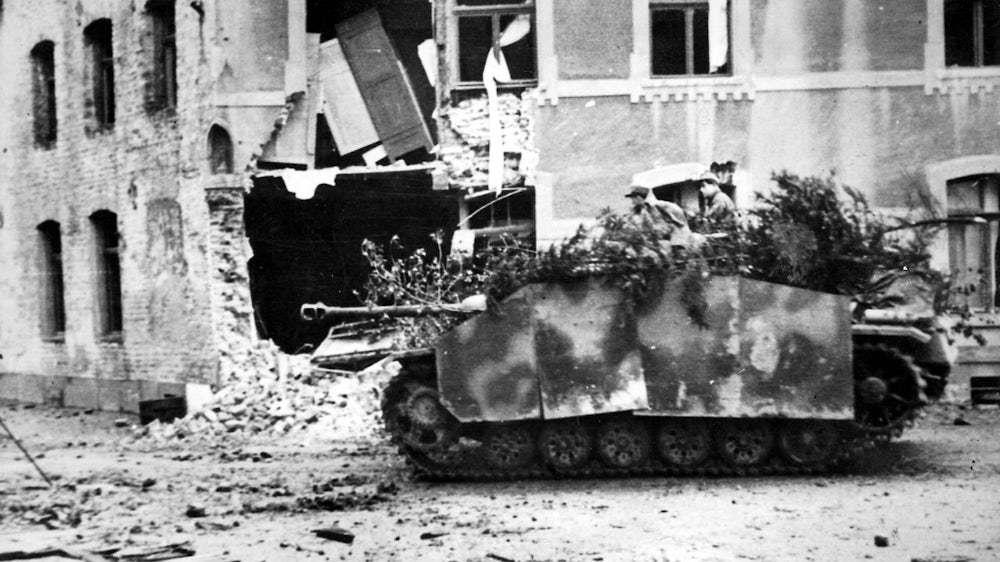
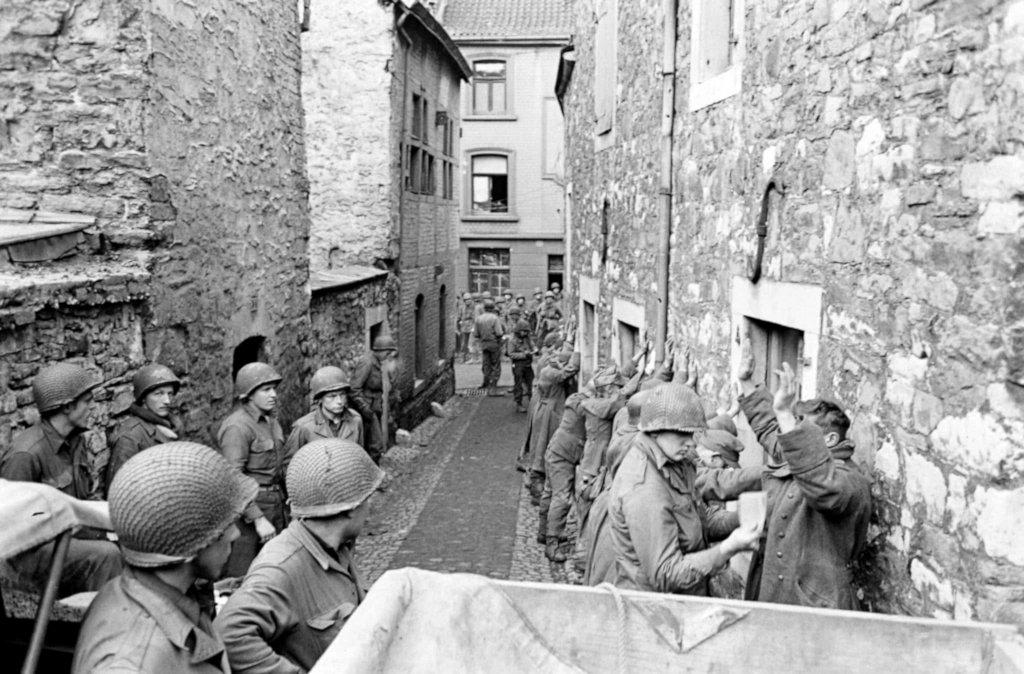
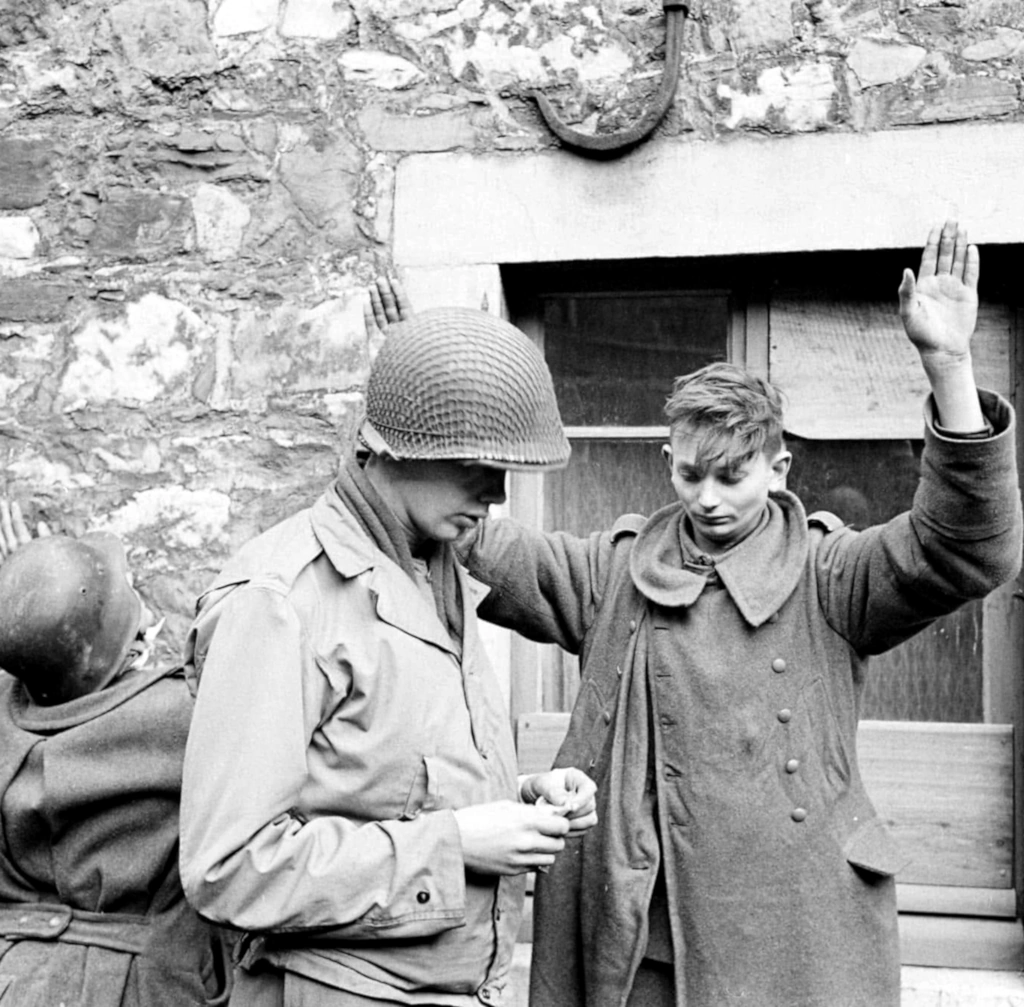
During the morning hours of September 17, first the 48.Grenadier-Regiment and shortly afterwards the 89.Grenadier-Regiment detrained in Düren. With these forces of the 12.Infantry-Division was supposed to recapture Mausbach and to restore a coherent German front from Stolberg to Zweifall. The 89.Grenadier-Regiment received orders to assemble southeast of Eschweiler and to launch its attack via Hastenrath – Scherpenseel toward Werth, Weissenberg Hill and Diepenlinchen. The mission of the 48.Grenadier-Regiment was to move through Heistern – Venau – Hamich, and to jump off from Hamich toward Gressenich and Krewinkel, capture Mausbach and reach the Stolberg – Vicht Road. According to orders the 48.Grenadier-Regiment jumped off from Hamich and captured Gressenich, holding it against immediate American counterattacks from the direction of Schevenhuette. The battalion on the left attacked toward Krewinkel but ran into determined resistance and developed a temporary ammunition shortage so that it was forced to halt its attack. The battalion on the right, driving toward the Mausbach – Diepenlinchen Line, had a stroke of unusually good luck. At a point halfway between Mausbach and Diepenlinchen it smashed into the flank of an American attack launched from Mausbach apparently in the general direction of Eschweiler. Coming from an unexpected direction the assault took the Americans by surprise. The 48.Grenadier-Regiment was able to knock out nine US tanks and to capture fifty-seven Americans including one colonel (a regimental commander, according to German sources). But after achieving this success the German attack bogged down just east of Diepenlinchen in the face of tenacious American resistance.
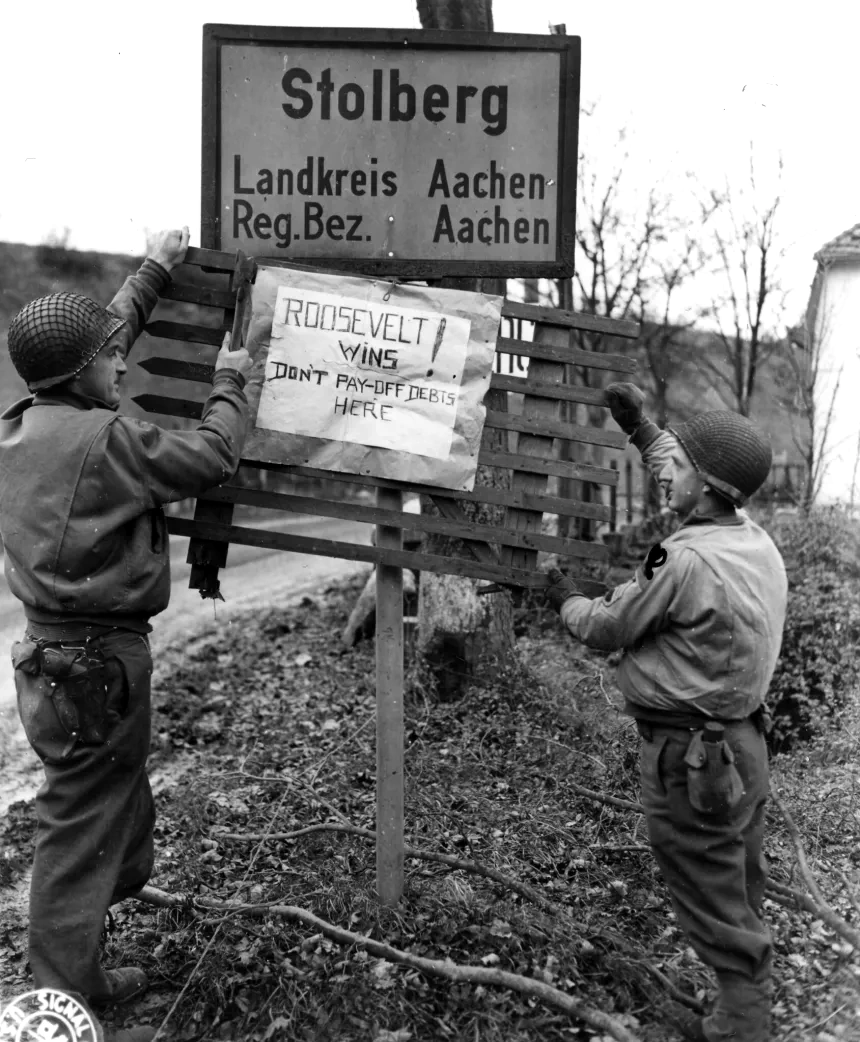
The 89.Grenadier-Regiment had meanwhile launched its attack from the Hastenrath – Scherpenseel area. Instead of waiting for only all its forces to assemble there, it umped off at noon with one battalion in order to meet the threatening American drive on Eschweiler. The battalion pushed south through Werth; in exceedingly bitter fighting it captured Weissenberg Hill at 1330 and reached the eastern periphery of Diepenlinchen an hour later. There it also encountered such strong American resistance that its attack bogged down. In view of strong American pressure from Krewinkel and probably also the threat to its left flank from Schevenhuette and the Wenau Forest (US 9th Infantry Division), the 12.Infantry-Division decided to shift its weight from right to left and to make its main effort through Krewinkel rather than through Diepenlinchen. Permission was asked and granted to call off the attack while the German forces regrouped. By this time the second battalion of the 89.Grenadier-Regiment and additional artillery and antitank forces had arrived on the battlefield. Thus reinforced the Germans resumed their attack at dusk. The main effort drive on the left pushed through the Krewinkel woods into Krewinkel, while on the right the forces pressing south from the Veissenberg Hill and the vicinity of Diepenlinchen penetrated the northern part of Mausbach. This achieved the 12.Infantry-Division halted for the night. On September 18, the 27.Fusilier-Regiment was to continue its efforts to capture additional bunkers near Muensterbusch, while the 89.Grenadier-Regiment, which had suffered heavy casualties, would regroup and hold its line.
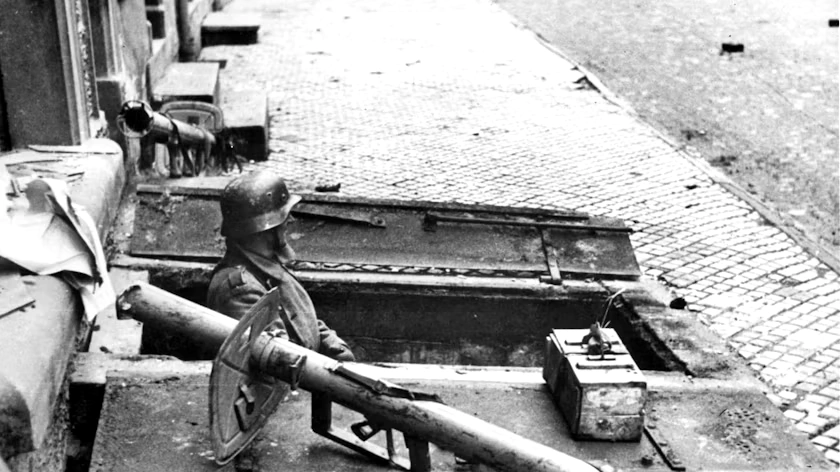
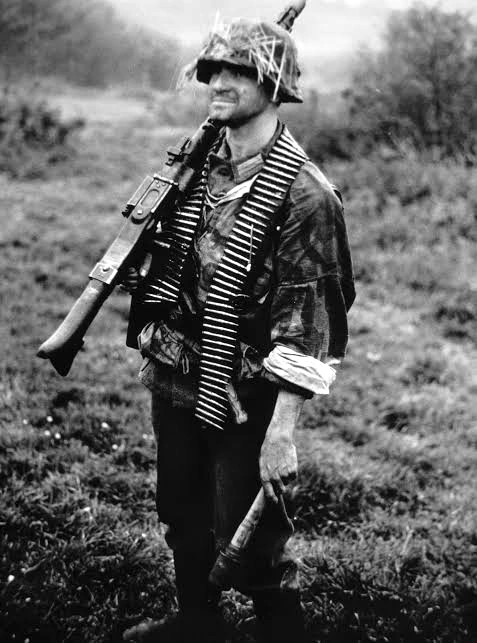 Tel Convs, LXXXI Corps to 12 Inf Div, 0845, 1150, 1340, and 1610 on 17 Sep 44, LXXXI Corps KTB, Kampfverlauf; Evg Sitrep, LXXXI Corps, 1620 on 17 Sep 44, and Daily Sitrep, LXXXI Corps, 2145 on 17 Sep 44, LKXXI Corps KTB, Tagesmeldungen; MS # A-971 (Engel)
Tel Conv, Seventh Army to LXXXI Corps, 1150 on 17 Sep 44, LXXXI Corps KTB, Kampfverlauf
Evg Sitrep, LXXXI Corps, 1620 on 17 Sep 44, and Daily Sitrep, LXXXI Corps, 2145 on 17 Sep 44, LXXXI Corps KTB, Tagesmeldungen
Tel Conv, LXXXI Corps to 12 Inf Div, 1305 on 17 Sep 44, LXXXI Corps KTB, Kampfverlauf
Daily Sitrep, LXXXI Corps, 2145 on 17 Sep 44, LXXXI Corps KTB, Tagesmeldungen; MS # A-971 (Engel)
Sitrep, 12 Inf Div to LXXI Corps, 1340 on 17 Sep 44, and Tel Conv, LXXXI Corps to 12 Inf Div, 1535 on 17 Sep 44, LXXXI Corps KTB, Kampfverlauf; Evg Sitrep, LXXXI Corps, 1620 on 17 Sep 44, and Daily Sitrep, LXXXI Corps, 2145 on 17 Sep 44, LXXXI Corps KTB, Tagesmeldungen; MS # A-971 (Engel)
Tel Convs, LXXXI Corps to 12 Inf Div, 1610 and 1730 on 17 Sep 44, LXXXI Corps KTB, Kampfverlauf
Tel Conv, LXXXI Corps to 12 Inf Div, 1940 on 17 Sep 44, LXXXI Corps KTB, Kampfverlauf; Daily Sitrep, LXCXI Corps, 2145 on 17 Sep 44, LXXXI Corps KTB,
Tagesmeldungen
Tel Conv, LXXXI Corps to 12 Inf Div, 2230 on 17 Sep 44, LXCI Corns KTB, Kampfverlauf
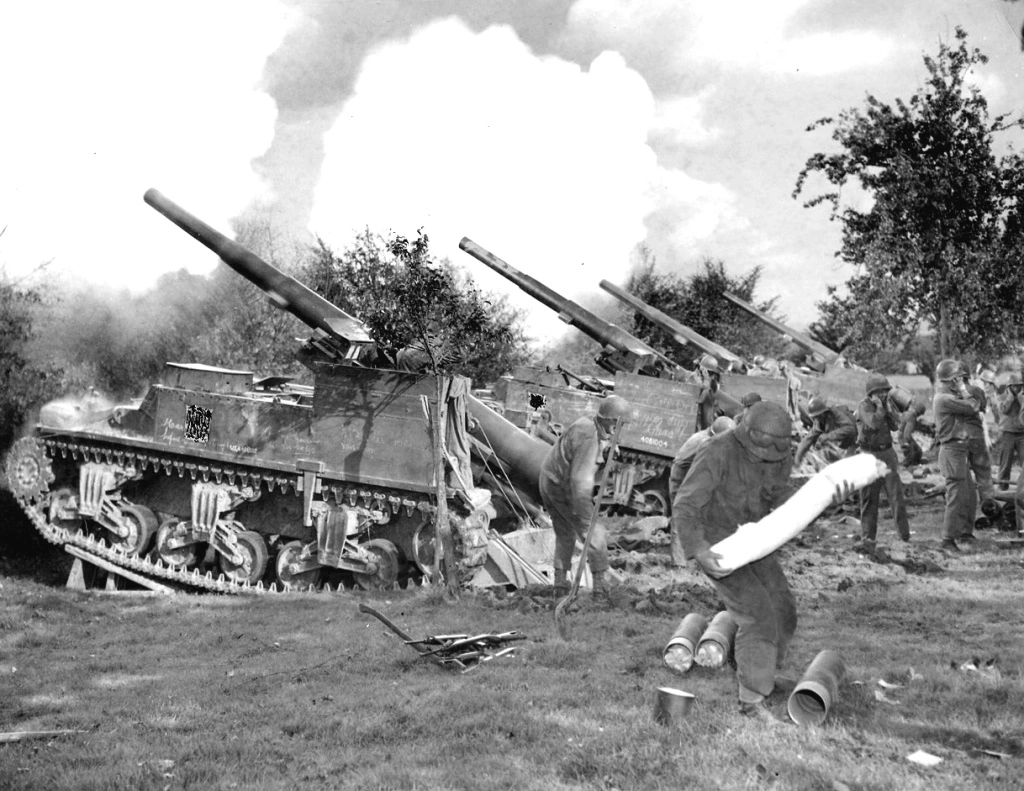
The day’s events proved that the 12.Infantry-Division would not find it easy to dislodge the Americans from their salient beyond the Schill Line. Once they had recovered from the initial surprise of being hit by unexpectedly formidable German forces, the Americans lost no time before launching powerful, well-supported counterattacks. After American artillery had shot the Germans out of Mausbach and Diepenlinchen during the night, two American task forces launched an attack at midnight from the Mausbach area toward Stolberg. While a hail of artillery fire pounded the 1st Battalion of 48.Grenadier-Regiment east of Mausbach with apparent intent to secure the American right flank, US forces advanced to the southern and southeastern outskirts of Stolberg. They captured Hammerberg Hill, Burgholzerhof, and the West Wall Bunkers along the Vicht River as far as Dinsfeld at 0400 and continued their drive toward the Donnerberg Hill.
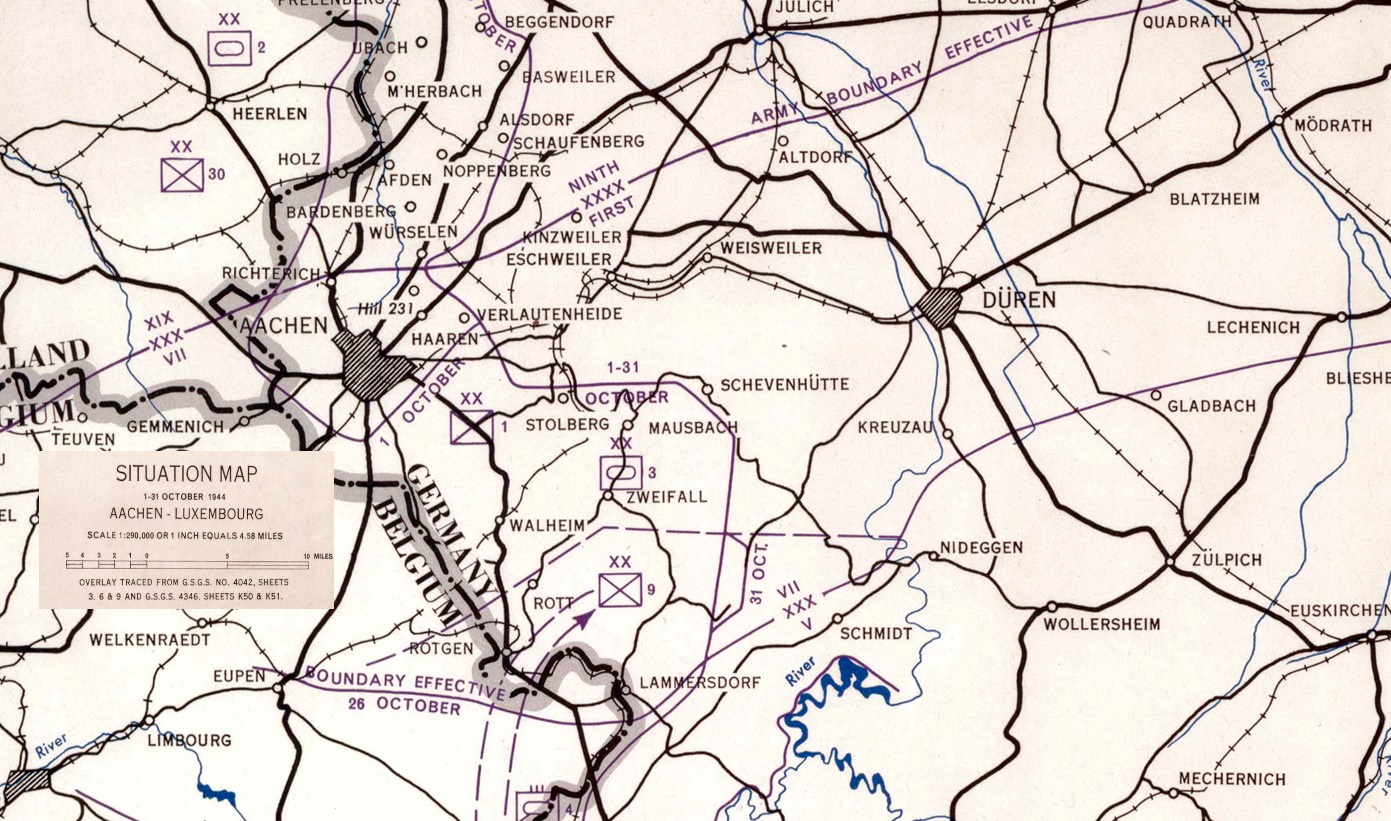 Another US combat command jumped off toward Stolberg from the Brander Forest and drove as far as the church in Muensterbusch, just west of Stolberg. Perceiving the threatening double envelopment of Stolberg, Col Engel decided not to continue the Mausbach – Krewinkel attack (which no longer looked like an easy thing, anyway) in the morning of September 18, but rather to shift his main effort against the Americans driving on Stolberg. The LXXXI Corns immediately approved his new intentions. As a result German resistance in the Stolberg area stiffened. Though the Germans were unable to gain more than insignificant ground, they successfully stopped all American attacks. During the morning the 27.Fusilier-Regiment repulsed a minor American attack against Verlautenheide, while German artillery hit US positions on Geisberg Hill. The American drive on Donnerberg Hill was thrown back with heavy losses; the German counterattack recaptured two bunkers on Hammerberg Hill. The Germans in Stolberg also repulsed an American attack against the southern periphery of the town at 1200, but not before some streets of Stolberg had become a battleground for the first time.
Near Diepenlinchen on September 18, American forces badly mauled the 89.Grenadier-Regiment. Its 1st Battalion had orders to attack through Diepenlinchen and penetrate the woods west of that village. Earlier in the morning strong American forces had moved into Diepenlinchen after US artillery had swept the Germans out of there. The 1st Battalion suffered very heavy casualties in the face of the American batteries. After a bitter battle the Germans succeeded in capturing Diepenlinchen again, but under murderous artillery fire their attack bogged down just west of the village. Relentless American fire reduced the 1st Battalion of the 89.Grenadier-Regiment to one hundred men — about a fifth of its initial combat strength. At 1730 an American counterattack was able to capture Diepenlinchen once more. An American attack from Schevenhuette toward Gressenich was repulsed. In the evening of September 18, the 12.Infantry-Division front line extended from the southern periphery of Verlautenheide – Harmm – Western Edge of Stolberg – Hammerberg Hill – Niederhof – Weissenberg Hill – Gressenich. By evening the division had also assembled its fusilier battalion and its engineer battalion. The attack on Diepenlinchen would continue — ‘perhaps a regrouping period of twenty-four hours will be required first…’
 Tel Conv, LXXXI Corps to 12 Inf Div, 0400 on 18 Sep 44, LXXXI Corps KTB, Kampfverlauf; Evg Sitrep, LXXXI Corps, 0605 on 18 Sep 44, 1DX.I Corps KTB, Tagesmeldungen; Daily Sitrep, A Gp B, 19 Sep 44, A Gp B KTB, Tagesmeldungen
Tel Conv, LXXXI Corps to 12 Inf Div, 1500 on 18 Sep 44, LXXXI Corps KTB, Kampfverlauf; Evg Sitrep, LXXXI Corps, 1625 on 18 Sep 44, LXXXI Corps KTB, Tagesmeldungen
Tel Convs, LXXXI Corps to 12 Inf Div, 0400 and 0425 on 18 Sep 44, LXXXI Corps KTB, Kampfverlauf
Tel Conv, LXXXI Corps to 12 Inf Div, 1500 on 18 Sep 44, LXXXI Corps KTB, Kampfverlauf; Evg Sitrep, LXXXI Corps, 1625 on 18 Sep 44, LXXXI Corps KTB, Tagesmeldungen
Mng Sitrep, LXXXI Corps, 0605 on 18 Sep 44, and Evg Sitrep, LXXXI Corps, 1625 on 18 Sep 44, LXXXI Corps KTB, Tagesmeldungen; Tel Conv, LXXXI Corps to 12 Inf Div, 1500 on 18 Sep 44, LXXXI Corps KTB, Kampfverlauf
Daily Sitrep, LXXXI Corps, 2100 on 18 Sep 44, LXXXI Corps KTB, Tagesmeldungen; Daily Sitrep, A Gp B, 0200 on 19 Sep 44, A Gp B KTB, Tagesmeldungen
According to MSS # A-971 (Engel) and B-816 (Schack) the 2 Battalion of the 48 Grenadier Regiment launched an attack toward Schevenhuette just before dawn on September 18 and surprised American troops there just as they were being relieved by new forces. Thus the Germans were able to capture Schevenhuette in furious house – to – house and hand-to-hand fighting. By an immediate counterattack, however, the Americans surrounded the two German companies in Schevenhuette; the Germans dug in but were unable to hold out. After suffering heavy losses, they finally fought their way back to their own lines. By evening Schevenhuette was in American hands again and continued to threaten the flank of 12 Infantry Division. The story of the above operation has been relegated to this footnote because the writer entertains serious doubt as to whether it ever took place. It seems highly probable that Generals Schack and Engel, on whose postwar accounts this story is based, confused it with a very similar operation which definitely took place on September 22. The German contemporary documents contain no record of any German operations in Schevenhuette on September 18 beyond one solitary hint, in one document, of a later date, which speaks of ‘… losses sustained in Schevenhuette on September 18….’. But for this single straw, the writer would have simply dismissed the story as one of many historical inaccuracies to be found in the German postwar accounts — and it may well be just that!
Late in the evening of September 18, the Germans outlined their plan for further operations against the Mausbach salient. Since Stolberg was the key to the 12.Infantry-Division operations, all elements of the 9.Panzer-Division would be committed against the American forces wich had penetrated the factory areas north and west of Stolberg. After careful reconnaissance the 12.Infantry-Division engineer battalion would jump off at daybreak on September 20, 1944, through the woods toward Schevenhütte. With both flanks (Stolberg – Schevenhütte) thus secured, both battalions of the 89.Grenadier-Regiment were to attack south-westward across Diepenlinchen. The Fusilier Battalion supported by ten Panthers would proceed southeast from the Stolberg area and wheel into the West Wall toward Mausbach. Then all forces were to converge and attack along the West Wall (Vicht River) toward Zweifall.
On the Aachen front American forces made no serious attacks toward the city on September 17 and 18. Aside from minor attacks at Steinebrueck and Burtscheid, which were repulsed by the 116.Panzer-Division, they contented themselves with an almost ceaseless barrage of artillery fire against German positions in and around the city. The scene of American operations against the 116.Panzer-Division was shifting northward where US XIX Corps was engaged in its effort to envelop Aachen from the north. The division’s armor situation was improved on September 18, by the addition of fifteen assault guns of the 902.Assault-Gun-Brigade. The division also counted a new American jeep among its vehicles — a German prisoner of war had escaped his captors in the stolen jeep. No doubt the man was cock of the walk in his company that day. The events of September 19, 1944, — similar to many days of fighting on the Western Front — were shaped by the fact that the Germans were in the habit of attacking early in the morning, while the Americans chose the afternoon to launch their operations. The main actions of the day took place in the Stolberg Area. At 1100, forces of the 9.Panzer-Division and the 12.Infantry-Division were able to recapture the factory belt west of Stolberg as well as three bunkers on Hammerberg Hill southeast of that town. Sporadic fighting in the area continued past noon.
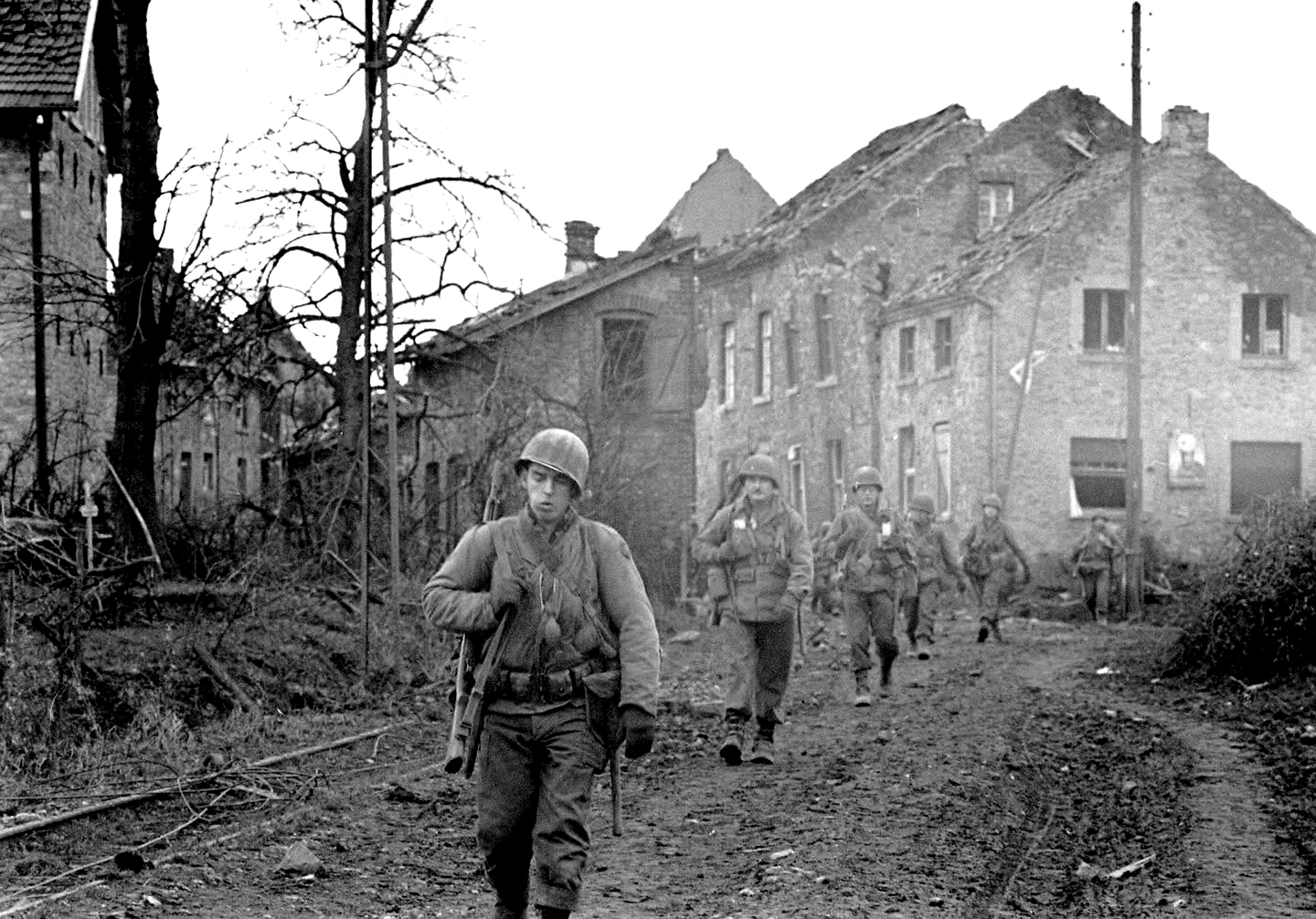
 Shortly thereafter the Americans began the usual very heavy artillery preparation signalling their impending attack. The American operation in the afternoon of September 19, was two-pronged and aimed at an envelopment of Stolberg. On the American left strong infantry and armor jumped off from a Muensterbusch – Buesbach base line in a northeasterly direction toward Stolberg. This attack succeeded in recapturing the factory area and in achieving some penetrations in the western part of Stolberg proper. On the American right other US forces launched their attack from the woods northwest of Mausbach and captured Niederhof, Burgholzerhof, and some buners on Hammerberg Hill. In the face of heavy American artillery fire ranging as far as Hastenrath elements of one 12.Infantry-Division battalion and six Panthers launched a flanking counterattack from the woods southwest of Hastenrath and drove down the road via Hochwegerhof toward Niederhof.
This counterattack apparently was less than successful, for during the night American troops supported by five tanks were able to extend their gains northeastward when they captured Hochwegerhof (about one mile north of Diepenlinchen) at 0200 on September 20. West of Stolberg, on the other hand, the see-saw battle continued: late in the evening of September 19, German troops managed to retake three bunkers. Two of these were located near the railroad running along the southeastern edge of the Würseler Forest (just east of Hamm and Kohlbusch) while the third was at the western end of that forest. The Aachen sector was rather quiet on September 19. Early in the morning, the 116.Panzer-Division reported increased American reconnaissance activity northwest of Rothe Erde, but aside from that the Americans artillery limited themselves to harassing artillery fire against the German MLR and rear areas for the remainder of the day. All day on September 19, the fate of the 12.Infantry-Division counterattack, planned for the morrow, hung in the balance. For one thing, the division faced a serious ammunition shortage. Delivery of at least 6100 rounds of 105-MM ammunition was essential before the division could carry out its projected attack. Since the LXXXI Corps was unable to supply this ammunition, it turned to the
Tel Conv, LXXXI Corps to 12 Inf Div, 2230 on 18 Sep 44, LXXXI Corps KTB, Kampfverlauf
Daily Sitrep, 116 Pz Div, 17 Sep 44, and 1925 on 18 Sep 44, LXXXI Corps KTB, Tagesmeldungen
Tel Conv, LXXXI Corps to 12 Inf Div, 1200 on 19 Sep 44, LXXXI Corps KTB, Kampfverlauf; Evg Sitrep, LXXXI Corps, 1620 on 19 Sep 44, LXXXI Corps KTB, Tagesmeldungen
Mng Sitrep, LXXXI Corps, 20 Sep 44, LXXXI Corps KTB, Tagesmeldungen
Tel Conv, LXXXI Corps to 116 Pz Div, 0415 on 19 Sep 44, LXXXI Corps KTB, Kanpfverlauf; Daily Sitrep, LXXXI Corps, 2215 on 19 Sep 44, LXXX1 Corps KTB, Tagesmeldungen
Tel Conv, LXXXI Corps to 12 Inf Div, 0200 on 19 Sep 44, and Tel Convs, Seventh Army to LXXXI Corps, 0310 and 04)0 on 19 Sep 44, LXXXI Corps KTB, Kampfverlauf. It is not clear whether or not this train eventually helped to ease the shortage, since the attack was called off, anyway, and the reasons are complex, involving, among other factors, a change in command at the corps command level