

What the Allies Knew
Much has been written since the war on the Allies’ intelligence failure. Many of the writings have been by former intelligence officers who were directly involved in the campaign. Most, if not all, claim to have predicted in some way the German attack and try to shift the blame to the commanders. Therefore, much of the information on what the Allies knew is suspect. One thing is certain, however. There is enough blame to go around.
Reliance on ULTRA
There were many Allied intelligence success stories in the war, but one of the most important was the breaking of the German radio codes. These codes were produced by a machine called Enigma and were used by both the German military and the diplomatic corps. The Germans thought these codes to be unbreakable and relied on them throughout the war, attributing any possible compromises of information to other sources such as spies. By the fall of 1944, the Allied code-breaking effort had yielded tremendous results. The Allies were reading enough of the military messages to have a reasonable idea of the German order-of- battle and operational plans. A system was devised whereby Allied operational commanders and their intelligence officers received all intercepted messages pertinent to their area of operations, generally within twenty-four hours of intercept. The translated and interpreted messages sent to the Allied commanders bore the overall codename of ULTRA.

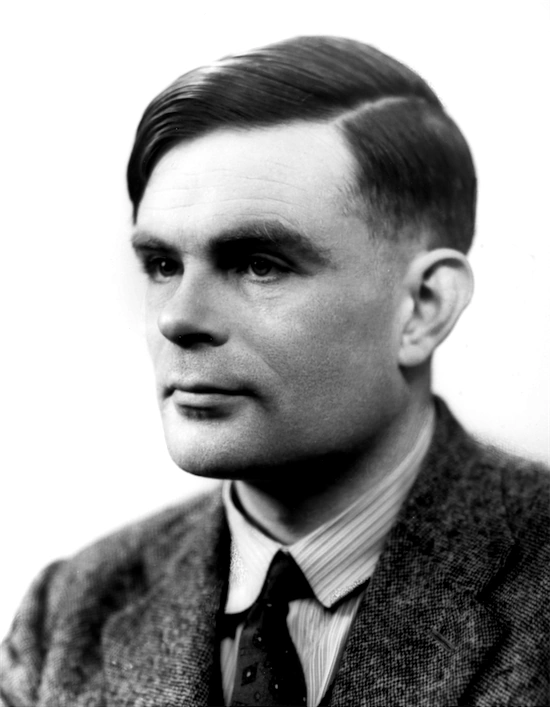 The decoding of the German Enigma system for ULTRA was not merely a triumph of engineering or mathematical theory; it was the cumulative achievement of an extraordinary group of cryptologists, analysts, and decoders—many of whom history has unjustly consigned to the margins. The foundations were laid by the Polish pioneers Marian Rejewski, Jerzy Różycki, and Henryk Zygalski, whose early breakthroughs made later British successes possible. At Bletchley Park, figures such as Alan Turing, Gordon Welchman, Dilly Knox, and John Herivel developed the conceptual and technical tools that enabled sustained penetration of Enigma traffic.
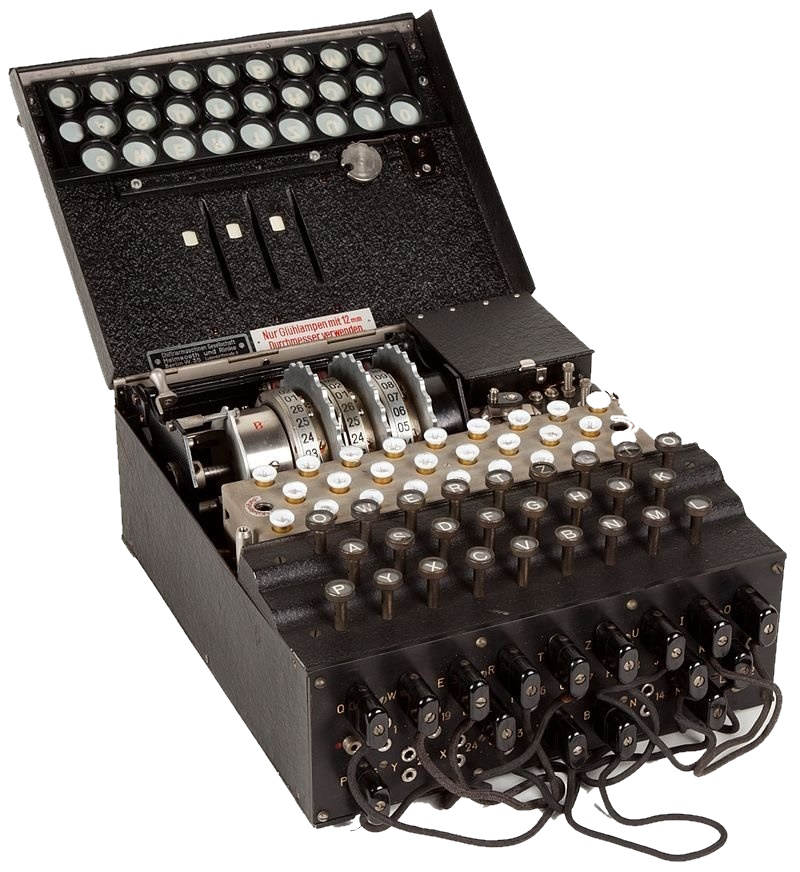 Yet the real weight of ULTRA rested on the shoulders of the decoders—the meticulous, anonymous specialists who transformed theory into actionable intelligence. Among them were Mavis Batey, whose work on Abwehr keys proved critical; Joan Clarke, a brilliant cryptanalyst of the highest rank; Margaret Rock, a master of reconstructing daily keys; and Peter Twinn, the first British analyst to break an operational Enigma message. Even individuals such as Geoffrey Tandy, originally misassigned but indispensable for preserving fragile intercepts, played a vital supporting role.
Their collective labor—tireless, unseen, executed under absolute secrecy—allowed ULTRA to reveal enemy intentions, safeguard Allied forces, and shorten the war. Generals may have directed the campaigns, but it was the quiet precision of these decoders that made decisive victories possible. History often forgets their names; ULTRA does not.
This successful effort became a two-edged sword that was not apparent until after the battle. So successful was this program that by December 1944, Allied commanders had come to trust ULTRA so exclusively that they relied on it to provide both enemy capabilities and intentions. Generally, this information was unambiguous and did not always require detailed analysis. When Hitler directed that all messages regarding the planning for the offensive not be transmitted by radio, the Allies were deprived of much of this ‘unambiguous’ data. There was one area, however, that was unaffected by this directive but which the Allies failed to fully recognize and exploit. Regardless of Hitler’s concerns, the logistic and deployment preparations could not be accomplished in a sufficiently timely fashion without the radio transmission of messages. Here, ULTRA provided considerable amounts of data. By late October, the Allies knew that the Germans were forming a formidable reserve that would contain several Panzer divisions. Many Allied intelligence officers did believe that this reserve would be built around the newly created 6.Panzer-Army, but what ULTRA didn’t tell them was the purpose for this reserve and how it would be used. More importantly, ULTRA did not tell them that this reserve was neither for Model nor von Rundstedt, but for Hitler.
Throughout October and November, ULTRA was providing the Allies a rich diet of information on troop movements, both into and out of the front lines. ULTRA intercepts also provided the Allies with considerable information on the train movements into the region, as much of the dispatching and tracing was done by radio. Additionally, there were a number of messages from army headquarters requesting Luftwaffe air cover on detraining and marshalling areas. By the end of November however, Allied intelligence officers seem to have made up their minds that all this movement and logistic resupply was for the assumed German counterattack in the north. The German deception plan reinforced this analysis, regardless of the additional information ULTRA furnished. Another good source of ULTRA intercepts was the Luftwaffe. The German Air Force never stopped using radio transmissions to any great extent, and the Allies were reading much of their traffic. In particular, the Luftwaffe on several occasions referred to the ‘Jageraufmarsch’ (the coming operation) when requesting serviceability reports on aircraft or providing information to air defense units.
Reading Luftwaffe intercepts also provided an unambiguous indication of the transfer of air force squadrons to the north and west in addition to the formation of a new headquarters for fighters in the central region. A message intercepted on the November 19, informed German air defenses of the build-up of fighters in Western Germany and directed them to take extra precautions not to shoot down German planes (Robert S. Whitlow, ULTRA Intelligence Procedures—IX Air Force (Washington: US Department of the Army, 1945). On November 21, a Luftwaffe message referred to the ‘final’ decision of Reichsmarschall Herman Goering that fighters in the west scheduled to fly in the upcoming ‘operation’ were not to be fitted with bomb racks. Instead, these racks were to be stored away from the planes and kept in good condition. On December 1, another Luftwaffe message said that it is certain that the Allies had recognized the increased concentration of fighters in preparation for the ‘Jageraufmarsch’ and to prepare for Allied bombing of these concentrations. These messages, and many others like them, were ambiguous in the sense that the ‘upcoming operation’ could have been either an offensive operation or a counterattack. But Allied intelligence officers were already convinced that a German counterattack was likely since it supported the overall defensive scheme as they saw it. Consequently, the Luftwaffe messages were read in that context. Even an intercepted message from a German ground unit for aerial reconnaissance of the Meuse River from Liège to Givet did not seem to have raised any undo concerns.
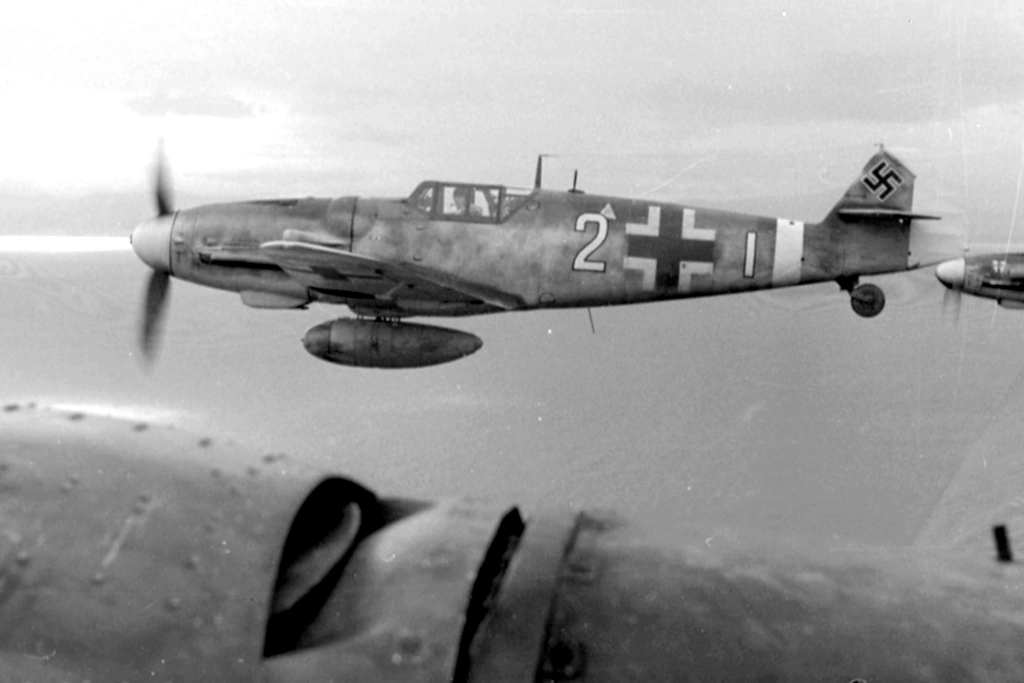
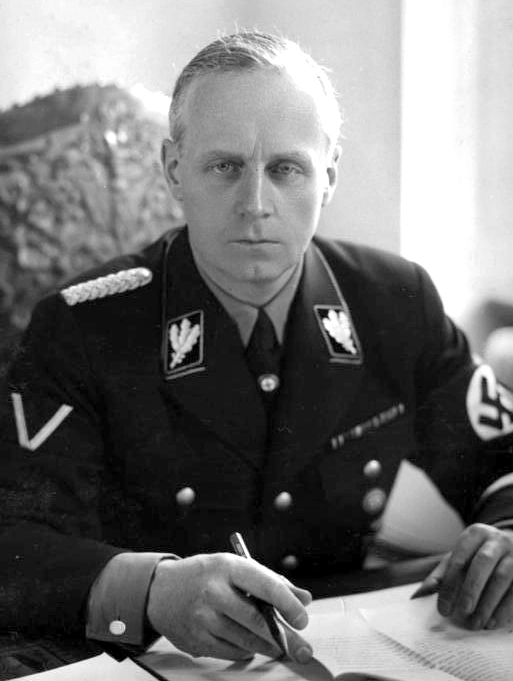 Additionally, ULTRA was providing considerable information from lower echelon units reporting, almost daily, of chronic fuel shortages. These messages outlined curtailed flying hours and other measures Luftwaffe units had to take to save fuel. By relying on these intercepts from the lower echelon units, Allied intelligence officers made the logic inference that the entire German Air Force had these same fuel shortage problems. As a consequence, no one anticipated that fuel could or would be saved at the strategic level. ULTRA also provided diplomatic information that was available not only to Washington but front line units as well. The more telling of these diplomatic messages was in mid-November from the Japanese Ambassador, Baron Oshima, to his government. It was composed after the ambassador had had lunch with von Ribbentrop. During the lunch von Ribbentrop continued to assure the ambassador that things were going well for Germany and that they planned to stay on the offensive until the end. The German also stated that an offensive in the west was planned, although he gave no dates. It is unclear how intelligence officers in Washington and Europe viewed this intercept, as few make any reference to it. It is likely, however, that many thought that it was nothing more than the German attempting to allay the fears of an ally.
It is possible that the effect of ULTRA on the minds of the intelligence officers and commanders had a negative reinforcing role. Previously, commanders viewed what they received from ULTRA in the context of how they saw the battlefield and to corroborate information from other sources. Montgomery, for instance, used ULTRA to reinforce information about German armor units on his front and could immediately see any changes in patterns. But prior to Ardennes this corroborative effect, because of German deception, was absent. In fact, the decline in ULTRA traffic was viewed by some, especially Bletchley Park, as a positive sign that victory could be imminent (Ronald Lewin, ULTRA Goes to War (New York: McGraw-Hill Book Company, 1978). Without ULTRA the Allies did not seem to view information from other sources with the same sense of urgency or importance.
Aerial Reconnaissance
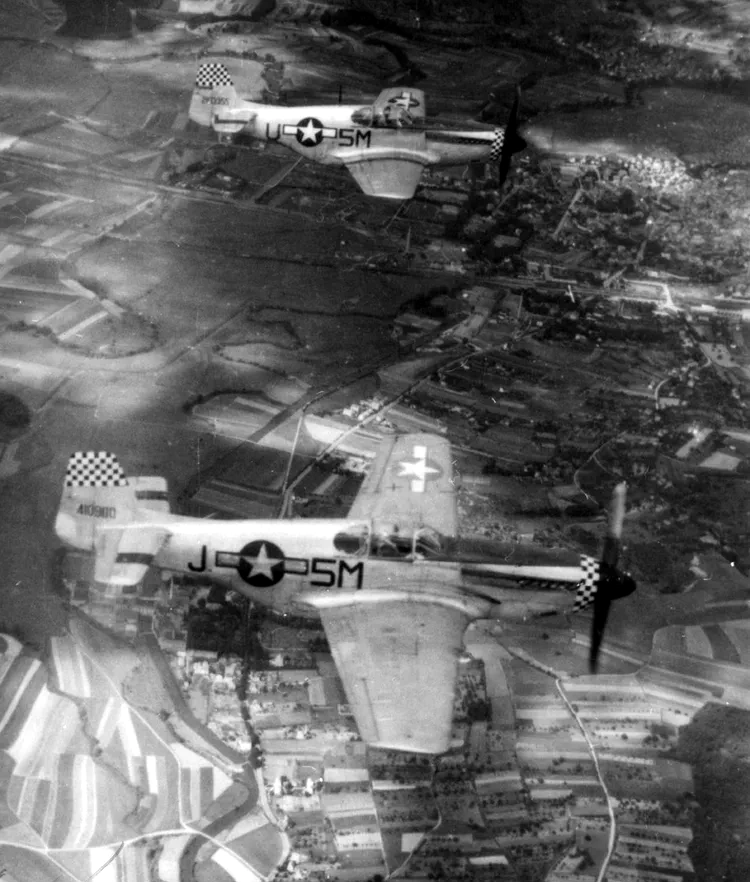
Allied aerial reconnaissance was the greatest worry of German commanders. Many of the intelligence officers writing their memoirs after the war have selective memories about the availability and usefulness of this asset, glossing it over by claiming that bad weather frequently grounded the aircraft. Nevertheless, the 67th Tactical Reconnaissance Group in the month before the Ardennes Offensive flew 361 missions, of which 242 were considered successful (H. M. Cole). From December 10, to December 15, 71 missions were flown; and only one day, December 13, had a total grounding of all reconnaissance assets. The 10th Photo Recon Group was able to prepare a detailed and accurate picture of the German build-up, confirming a dramatic increase in both road and rail movements. Other evidence included concentrations of searchlights, flatcars loaded with Tiger tanks, and hospital trains (Elstob). Unfortunately, in the area that was to prove critical, the Eifel, few missions were flown. Early in November, before the build-up began, was the last time large numbers of missions were flown in this region. Ground units made numerous requests for reconnaissance over the Eifel, but air officers generally assigned them low priority. Whenever the weather was marginal the missions were aborted and sent to other ‘higher priority’ areas. Only three missions were flown over the area between December 10, and December 15 (McDonald).
Hugh Cole, in his analysis of the aerial reconnaissance problem, finds two faults. The first is not a lack of information but a problem in interpretation. The information was available; but what the Allies saw were the prudent moves of an army preparing to defend their homeland, the reinforcing of the 6.Panzer-Army and the reinforcement of other units in the line. The second fault lies in the lack of coordination between ground and air headquarters. Responsibilities for the prioritizing, tasking, collecting and interpreting of aerial intelligence was never fully defined causing information to simply disappear into a ‘twilight zone’ (Cole).
 Civilians and Prisoners of War
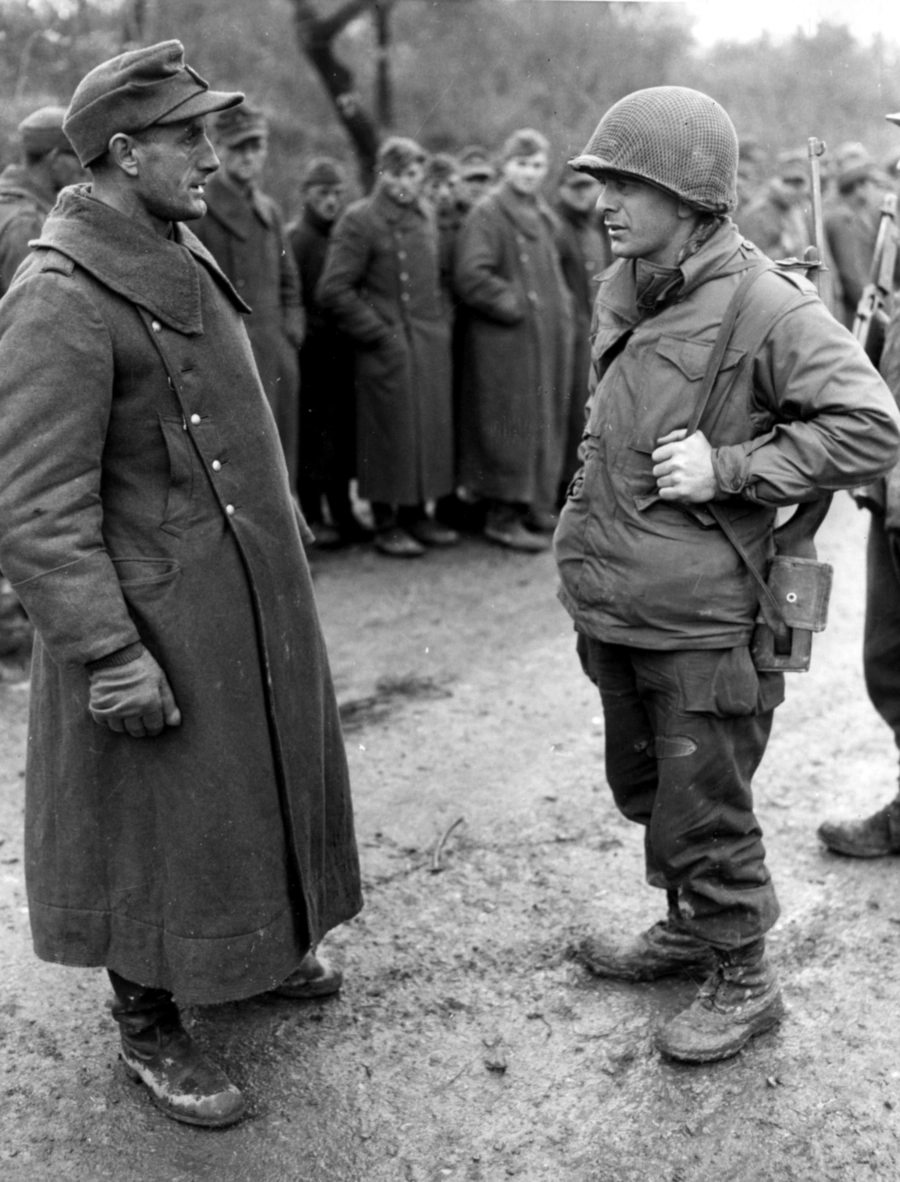
Since the Normandy Invasion, Allied intelligence had been very successful in debriefing German prisoners of war. Confident of their own abilities, when deserters, POW’s of low morale, and those from such units as the so-called stomach battalions (created for men with special dietary needs) began showing up, intelligence officers used the information to reinforce their belief that Germany was running out of manpower (Charles B. McDonald). On the night of December 15, four POW’s were captured by units of the US VIII Corps. When interrogated, all claimed that their units were preparing for an attack very soon. Allied officers had heard this before and did not attach any real significance to the reports. They were duly filed and reported to higher headquarters.
Another source of intelligence had dissipated since the crossing into Germany—friendly civilians. They were a tremendous asset while campaigning across France, but were now of limited usefulness. The exception was the now famous (infamous) case of Elise Dele, who had been allowed by the Germans to travel from her house in Bivels (Luxemburg) to Bitburg (Germany), where she noticed a large build-up of German soldiers and equipment. Escaping with the aid of partisans, she stumbled into the bivouac of the 28th Infantry Division where her story was taken seriously enough for her to be sent to First Army Headquarters. She arrived on December 16. Another source of information was the Office of Strategic Services (OSS) and its agents. Though useful before and during the campaign in France, they were not universally accepted by all intelligence officers who branded them as too individualistic, and sometimes restricted their movement. Consequently, not one OSS agent penetrated German lines before the offensive began.
Front-Line Intelligence
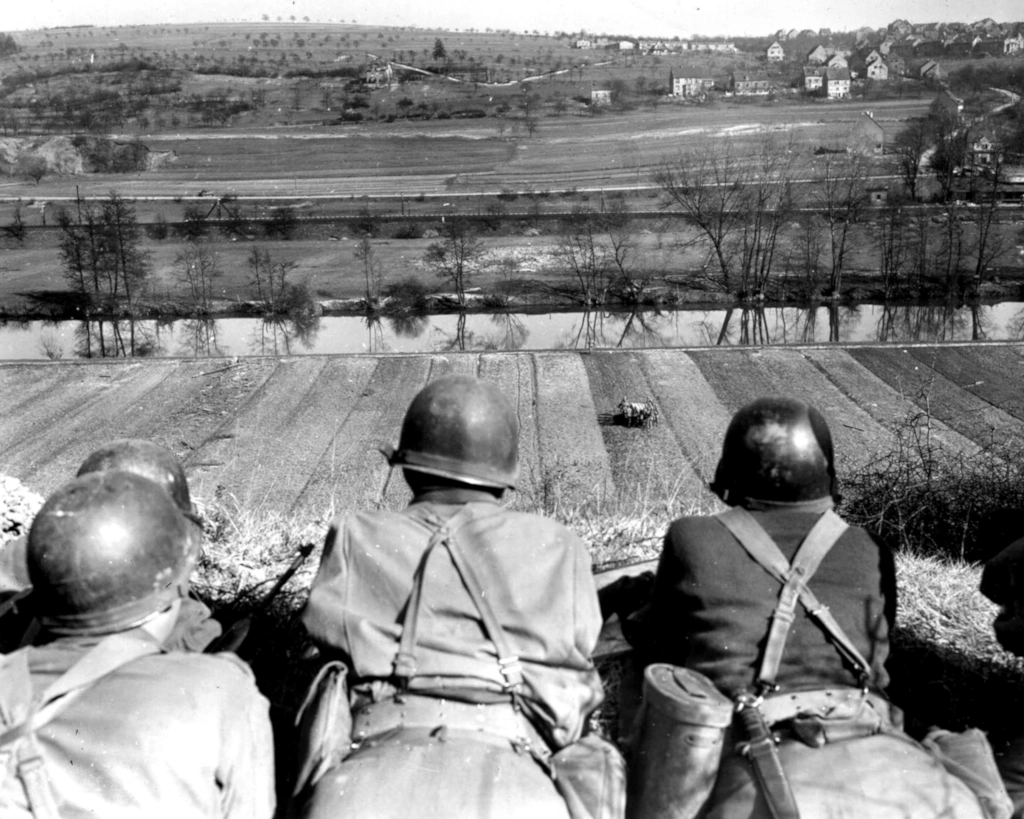
There was no shortage of reports from front-line units claiming increased enemy vehicular movements. These reports became so numerous, especially from units new to the theater, that they seemed to be largely discounted. In the American system of reporting (battalion to regiment to division to corps, etc.), it was easy for information to be lost as it passed up the chain; and there was no attempt to hold anyone accountable. In fact, there is enough reporting to suggest that more than one junior intelligence officer was chastised for taking these reports too seriously. Subsequent to the battle, however, it seems nearly everyone claimed credit for predicting the attack. With the near perfect vision of hindsight, the information in the hands of Allied intelligence officers was impressive. Enough indicators were known to cause alarm in even the most myopic of officers, especially in the last days before the attack. The problem was a near-fatal tendency to underestimate the enemy. The universally accepted opinion was that Germany was on the verge of collapse and would be unable to do more than defend its homeland.
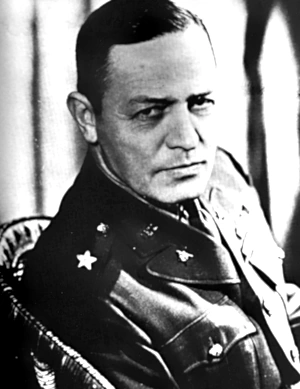 This widespread optimism permeated all levels of command. In fact, the Allies seemed to be in a contest with themselves to be the first to predict the fall of Germany. An example of this optimism was the 12th Army Group intelligence summary issued on December 12, by Gen Edwin Luter Sibert: It is now certain that attrition is steadily sapping the strength of the German forces on the Western Front and that the crust of defenses is thinner, more brittle and more vulnerable than it appears on our G-2 maps or to the troops in the line.
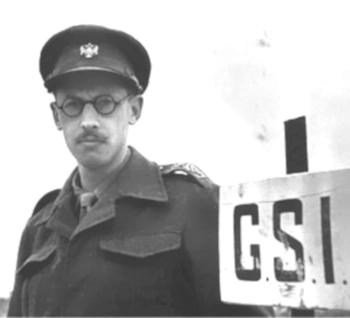 This underestimation of the enemy was not confined to the Americans. At about the same time, Brigadier Sir Edgar Trevor Williams, a former Oxford don and Montgomery’s G-2, issued his estimate: The enemy is in a bad way… his situation is such that he cannot stage a major offensive operation. Col Benjamin Abbott Dickson, G-2 of the American First Army, perhaps came the closest to predicting what the Germans might attempt. On December 10, he issued Intelligence Estimate #37, and spent the rest of his life claiming he foresaw what would happen. The estimate does say that von Rundstedt is husbanding his forces and is preparing for the application of every weapon at the focal point and correct time to achieve defense of the Reich west of the Rhine River by inflicting as great a defeat on the Allies as possible. The estimate also lists as a current capability that ‘the enemy is capable of concentrated counterattack with air, armor, infantry and secret weapons at a selected focal point at a time of his own choosing’.
Unfortunately, where Col Dickson placed this focal point of the German attack was well north of the Ardennes. Also, his warning may have lost some of its shock affect when he went on leave to Paris on December 14.
Why the Plan Succeeded
Michael Handel, a recognized authority on deception in World War II, defines deception as the process of influencing the enemy to make decisions disadvantageous to himself. He then lists nine considerations he sees in the successful strategic deception plans of that war. Though his approach was from the Allied point of view and should not be taken too far out of context, his analysis is pertinent to the German deception plan preceding the Ardennes Offensive. Of the nine elements, some were in evidence in the German plan (e.g., organization, security, and a sense of vulnerability) while others, it could be argued, were missing altogether (e.g., unique intelligence sources and time). One could argue that, in a sense, the German plan succeeded in spite of itself. I believe the plan was successful because it provided the Allies with the information they wanted to see. The near-flawless execution furnished the Allies with sufficient data to continue viewing the battlefield in the context of a German counterattack in the north – a course of action they had already determined to be the ‘correct’ one. Underestimation of intentions and capabilities is perhaps the worst mistake an intelligence officer can make. Many of the new intelligence indications were examined (fuel shortages, lack of manpower reserves, movement of enemy units, etc.) along with the traditional considerations (weather and terrain); but the Allies saw only what they expected to see.