

Reviewed by Doc Snafu on August 4, 2025.
Document Source: United States Army; Robinson, Wayne; and Hamilton, Norman E., Move out, verify: the combat story of the 743rd Tank Battalion (1944) in France. World War Regimental Histories. http://digicom.bpl.lib.me.us/. This archive is brought to you by the World War Collections at Bangor Community. It has been accepted for inclusion in World War Regimental Histories by an authorized administrator of Bangor Community.
Prélude
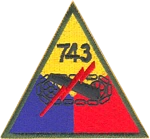 A Battalion truck was driven hundreds of miles through Germany to locate and haul a linotype machine so that type could be set for this archive. This is just one of the sometimes fantastic difficulties overcome during the manufacture of these pages in the bomb-devastated city of Frankfurt-on-Main in July 1945. That the archive did get printed at all is astonishing to its author. 1/Lt John D. Hess, aided by German-speaking T/Sgt Frank Gartner, looked after the considerable details of publication. The illustrations are by Pfc Norman E. Hamilton. The writing is by Pfc Wayne Robinson, who here wishes to acknowledge the great help given by so many, from tank commanders to cooks to personnel clerks, in getting the facts for this combat story.
To Lt Col John S. Upham, Jr., who forged the spirit of a great tank battalion
the Officers and Men of the 743rd Tank Battalion sincerely dedicate this book
Kloster Kreuzberg (Germany) July 10, 1945.
Tankers of the 743
You have accomplished your mission in Europe. You have accomplished it only as great soldiers could. Never, from the day you hit the Normandy Invasion Beach until this day, have I had any doubts as to your courage or your willingness to sacrifice your lives for those of your comrades. We Keep The Faith. Yes, you have kept the faith of those who died in Flanders Field in ‘17 and ‘18, of those who died in the water and on the sands of Omaha Beach, of those who died beside, the hedgerows of Normandy, of those who fell in the orchards and farmlands of France, Belgium and Holland, of those who threw their soft bodies against the steel and cement obstacles of the Siegfried Line, of those who pushed to the Roer River froze in the bitter winter campaign of the Ardennes, and of those whose bodies were strewn from the Roer River to the Rhine River and from the Rhine River to the Elbe River. You have kept the faith your loved ones had in you, your country had in you, Col Upham had in you, and I had in you. Never has a man had the opportunity of working with and associating with a finer group of officers and men than you of the 743rd. You have met and defeated the best the Germans had. Now, many of you will meet and defeat the best the Japanese have. My prayers go with you.
WILLIAM D. DUNCAN
Lieutenant Colonel, Infantry
743rd Tank Battalion
Commanding
Battle for a Beachhead
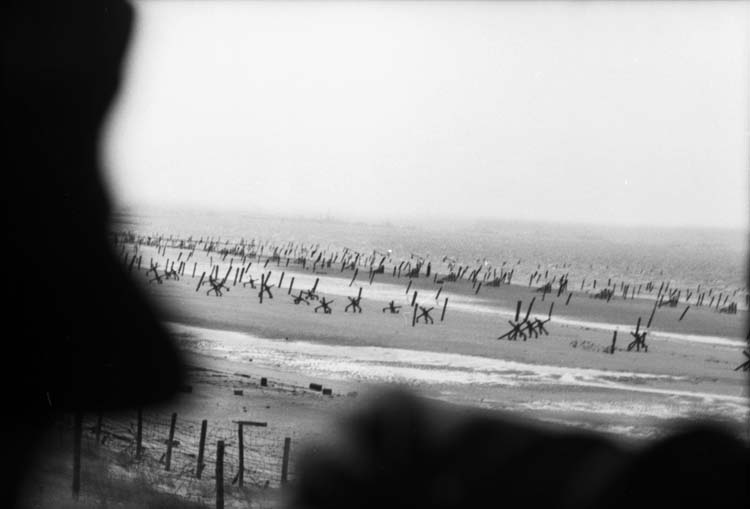
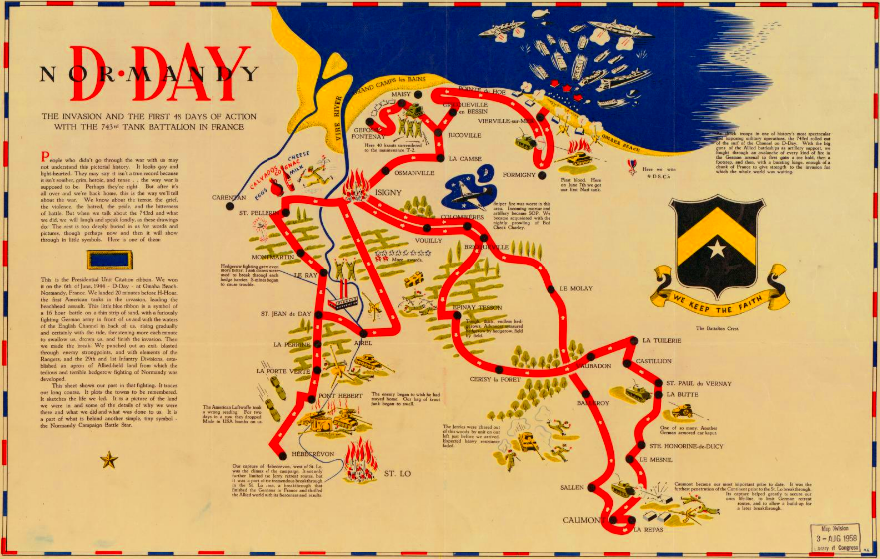
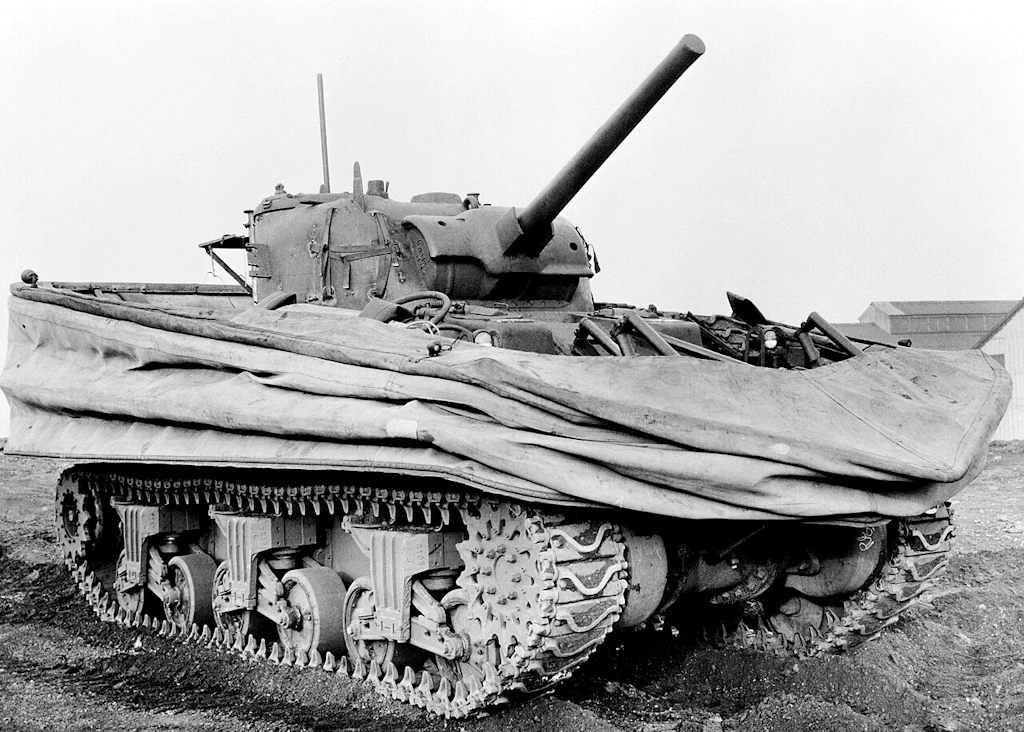
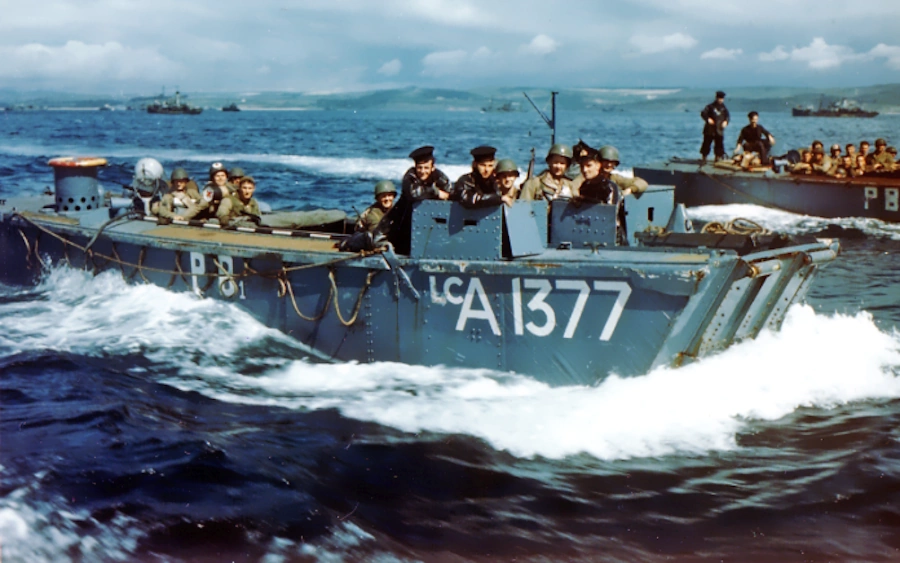
Omaha Beach, June 6, 1944, France. 0600 in the morning. Sunrise. Chill, wet wind. In the Channel, heavy weather. Angry waves churned and tossed by a day-old gale. From the night’s assembly area where the invasion craft had gathered, then from a Line of Departure in the Bay of the Seine, the assault force of the 743rd Tank Battalion moved toward combat. At this moment, the General Sherman tanks were out of their element, immobilized within the steel sides of the Navy’s LCTs. Two companies of tanks were especially waterproofed, equipped with top secret canvas sheathing and propeller drives which would allow them to ‘swim in’ to the beach under their own power when the box-nosed ramps of the Landing-Craft-Tank were dropped in deep water offshore. But the high-running waves defeated this planned tactical surprise. The 32-ton swimming tanks could navigate only in reasonably calm water. It was now up to the LCTs to go in all the way. Bucking and tossing, loaded to capacity, each with four medium tanks and their crews, the amphibious vanguard approached shore.
Before they banged closed their hatches, tankmen on the invasion boats squinted their eyes against icy spray and tried to make out detail on the hazy horizon ahead of the plunging craft. From behind and over their heads came the boom and wail of big shells hurtling shoreward from the batteries of the Navy’s battlewagons. On the green bluffs of the Normandy coast it was possible to make out the orange flashes of the exploding bursts. The German coastal guns were answering. The first enemy salvos ripped into the surf at short range just off the beach as German gunners attempted to beat off an advance wave of combat engineers whose job was to tackle the underwater obstacles, the barbed wire, the anti-tank and anti-personnel mines. Now the enemy range lifted out to meet the attack armada. Sudden geysers of white water began to flash up close beside the advancing LCTs.
It was H-minus-30, one-half hour before 0630 o’clock, D-Day morning. All night the tank-loaded LCTs had wallowed in the gale-tossed Channel, shipping water, riding the heaving surface like big black cheese boxes — waiting. The waiting was over. Advance planning was over. Training, special maneuvers were over. This was it. This was combat. Verify — the 743rd Tank Battalion’s Army code name — was going in. Its General Sherman tanks, its halftracks, its trucks, were to be the first on a hell-fire strip of sand the world ever after would call Omaha Beach.
That was the beginning of the long and terrible fight that went on to weeks and then to months and ended for the 743rd Tank Battalion only when the war ended. May 7, 1945. That was the beginning, but there was much — so very much — that went into the forging of the Battalion before it went into action at the opening gun and remained in action until the final cease fire order. Even the cockiest members – and this was an outfit as cocky as they come – would admit that the 743-TB did not just spring into fighting trim overnight. Behind the beginning was a war department order creating another tank battalion in the days when America rushed to prepare for a war.
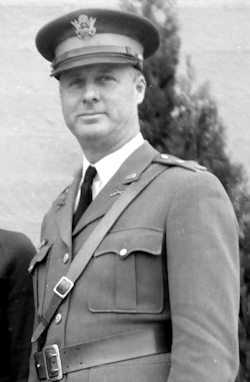 Before the shock of combat came the training, first in the cool mountains of the state of Washington, then on the torrid sands of California and Arizona Desert wastes, and finally on the damp midlands and foggy coasts of England. And behind the training was a man. Long before the Battalion came to England and long before it came into the war, the 743-TB regarded itself a crack outfit, second to no other tank battalion. It was built into a separate organization to be apart from the great land armadas of armor — the armored divisions that America was bringing into being. It was specially trained for its work. Its fierce pride in itself was in direct proportion to the long hours and the tedious matters put in and overcome on the training fields. It was untested, but it was ready for any test. The reason the men thought the outfit was a good one, the reason it was a good one — was bound up in one man: Lt Col John S. Upham, Jr., the Battalion Commander.
As an officer out of West Point in the Regular Army could be expected to do, Col Upham put military starch and correctness into the 743. This was but a surface quality, obtainable with any group of men given, a few months time. Col Upham did much more. He gave the officers and men under his command, through his own example, a drive and a purpose and a will to do anything, no matter what the problem, no matter how tough it looked. He inspired and then guided the spirit that was directed toward one aim: battle. In the tanks, especially in a separate tank battalion, there is no side-stepping battle. Col Upham knew it. He saw to it that his men knew it, expected it, prepared for it, so that when the time came the Battalion was ready to go any place against any odds. Yes, a cocky outfit — the kind that was needed when the cards went down and it was called to get ashore on D-Day, June 6, 1944.
It is one of the things to be expected in wartime: Col Upham was wounded in the very early hours of fighting on Omaha Beach. Beyond those first crucial hours, he was never to lead his Battalion in combat, in the battles he had so well prepared for. He went back (none of his men saw him go) as one of the thousands of casualties on that bloody June day. He never returned to the 743, but there was no man who served in the Battalion, whether he had or had not known Col Upham, who did not feel the great spirit, the drive of duty, the esprit de corps which first became evident in those distant days or training. It was a spirit that survived his leaving, that was so deeply impressed it lasted through the many months of combat. And that was the Battalion’s own tribute to the man behind the beginning.
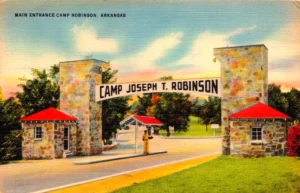
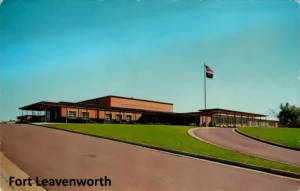
The period of training for war lacks the vermilion details and the more lurid sensations of combat days, but it is an integral part of the character as well as the history of wartime Verify. The start of the 743 was as a light tank battalion at Fort Lewis (Washington), on April 16, 1942. It began as a detachment, and its nucleus was nine officers and 108 enlisted men who were transferred from another light tank battalion, the 757th Tank Battalion, at Canyon Crest Heights (California). Records show that the first day of training started on April 20, 1942. The cadre prepared itself for the flow of recruits that began to arrive. These came early in May — a typical cross-section of America’s draft army with every walk of life, every background represented. New to uniform, they came from Fort Snelling (Minnesota)</b >; Fort Des Moines (Iowa); Fort Leavenworth (Kansas); Jefferson Barracks (Missouri), and Camp Robertson (Arkansas).
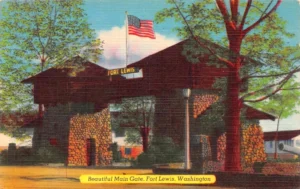
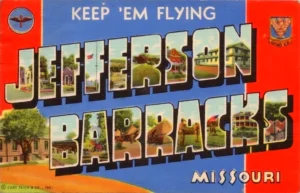
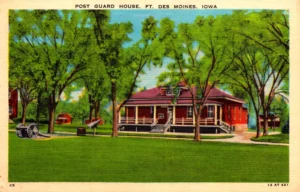
In poured the enlisted men, but the detachment from the 757-TB had not received any new officers. Neither were there any orders activating a new tank battalion. At last on May 16, the 743-TB became an official part of the Army as the necessary papers came through from headquarters of the Armored Force. The Battalion was activated with Major (later Lieutenant Colonel) John S. Upham, Jr., as commander. Just before the cadre had left California for Fort Lewis, everybody was inoculated with Yellow Fever injections. In June and July, the Battalion began sending these men to the hospital a strange canary color. It was diagnosed as Yellow Jaundice. Many were quite ill, including the Battalion commander, but no deaths resulted.
There was basic training of 13 weeks, completed at Fort Lewis on August 15, 1942. Men and officers were placed in positions within the unit where they seemed best suited. Then school days began. Most classes were at Fort Lewis; others were at Fort Knox (Kentucky), the Armored Training Center. Eleven officers, 151 enlisted men were sent to Armored Force schools. Meanwhile wheeled vehicles and the high-turreted, thin-armored Mae West tanks were received. The first two-day maneuver was held in August with these vehicles. The 743-TB changed from light tanks to medium tanks officially on the August 19, when information to this effect was sent down from Armored Force. It was considered good news.
It was an ordinary cycle of Army life, somewhat drab, somewhat monotonous, ever routine with occasional highspots out of the ordinary. Such a highspot was the September afternoon the tanks paraded at Fort Lewis in review for the President of the United States. (Two years later the President was to award this same unit the Presidential Unit Citation for the D-Day invasion). When a big Canadian war bond drive was staged in Vancouver, the 743 sent tanks and halftracks to take part in the 10.000-soldier parade. When the University of Washington’s football team tangled with St Mary’s Pre-Flight eleven on a November Saturday in Seattle, the roar of a 743rd medium tank thrilled the crowd at half-time. These were breaks from the routine. At the end of November, the Battalion had completed six months of training. Six months was considered the time required to train a unit for combat. The rumors got going strong. Men began to pick their places on the boat — and rumor had that boat going to every point on the globe.
In mid-January the move finally came — but it wasn’t by boat. It was by railroad — the Battalion’s first rail move. From the considerable rain experienced at Fort Lewis, the men found themselves shipped to a region which modestly could be described as very dry, at Camp Young (California) — a part of the Army’s Desert Training Center. The move was completed January 19, 1943. Army life as it is lived in tents was learned at Camp Young. There were some in the Battalion so naive as to think that the desert in winter would be a warm place. It was in the high hot noon of daytime. But not at night in January. The functional wooden barracks known at Fort Lewis seemed hospitable abodes indeed in contrast to the pyramidal tents which were either blistering hot, or freezing cold, or blowing down, or leaking, or falling into a sodden heap whenever sudden rainstorms came up before their ropes could be loosened.
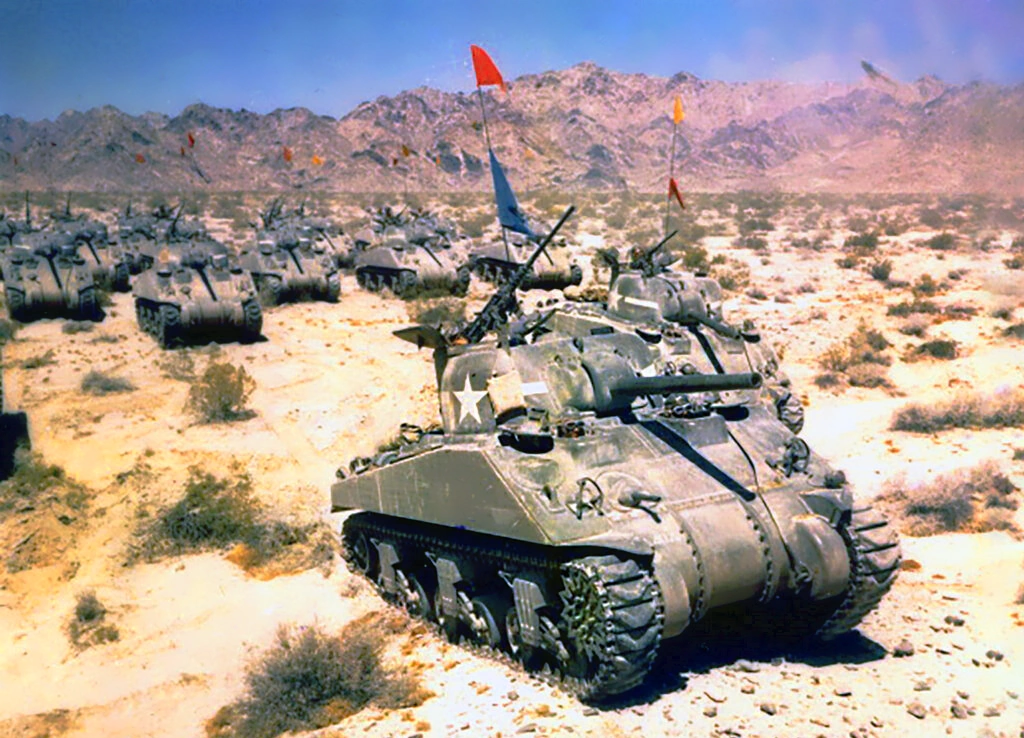
On the California Desert sands, the Battalion carried out maneuvers in February with new tanks and equipment. It was then that the thousand and one difficulties which are certain to crop up during actual combat were first ironed out. Men and equipment were put to their first stiff tests in desert operations. Men and machines became sand-eaters. The maneuver lasted three weeks. Then, again, the Battalion moved, this time to Arizona</b. By mid-March at Camp Young, the Battalion men had hardened themselves into a tough and ready gang of desert troopers. They now proved it by driving their tanks and wheeled vehicles in a forced march cross-desert all the way to the new Arizona Station, Camp Laguna.
The move started on March 15, and ended on March 17. The desert was dared to do its worst. It did. From California to Arizona tanks were strung along the way, some out of gas, some with mechanical failures, some stopped by soft ground in the worst terrain yet experienced. Camp Laguna, one of the officers said of it, ‘proved to be the most barren camp seen to date, few will forget in their lifetime the heat, dust, scorpions and snakes of this God-forsaken sector of land’. This God-forsaken sector of land was a good 30 miles north of the nearest town of any size, Yuma. The Battalion purchased a motion picture projector. It opened its own Post Exchange store and stocked it with plenty of beer. The movies, the store, the beer and the cool of evenings were the only relief from scorching days in which the maintenance mechanics had to keep their tools in buckets of water – or else the tools would soon be too hot under the sun to pick up.
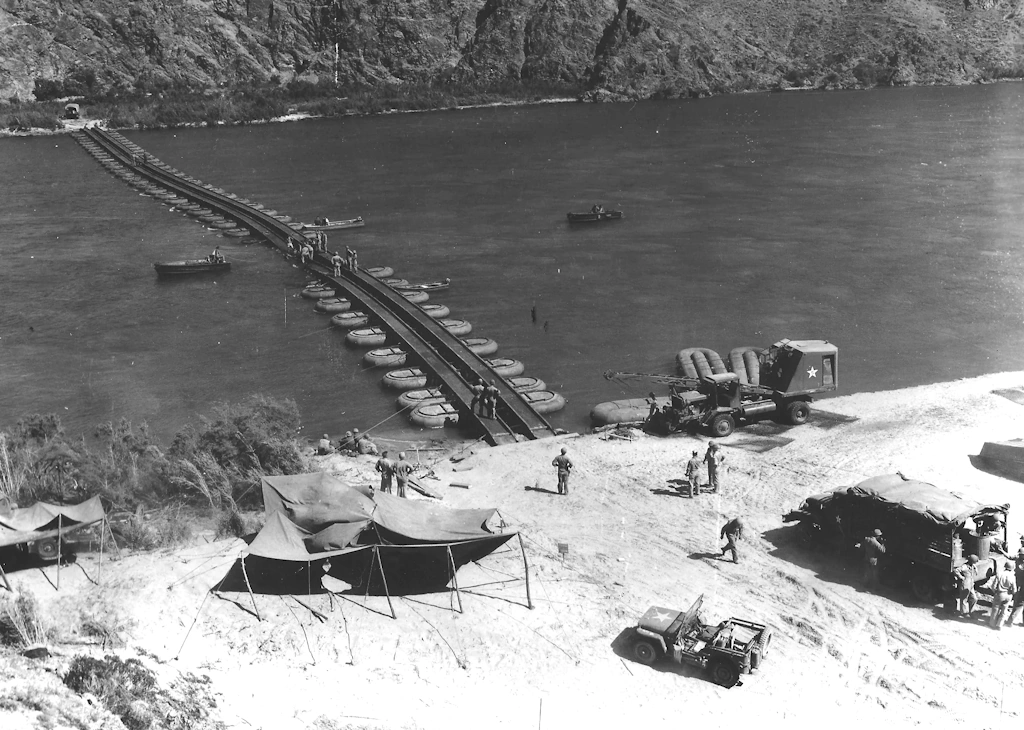
On an early April Sunday, Gen Jacob L. Devers, commander and chief of the Armored Force, stopped at Camp Laguna to speak to a meeting of officers and non-commissioned officers. Gen Devers had just returned from Africa. Everybody listened with considerable interest. For everybody thought that was where the next move of the 743rd Tank Battalion would take it — to fight Germany and Italy on the Dark Continent. But the war in Africa was going well toward the end of summer in 1943. Rommel, the Desert Fox, had been driven off the stretch of land in Africa which Hitler and Mussolini had considered theirs. In Tunisia, the last remnants of the Nazi Afrika Corps were being written off. In Arizona, the 743rd Tank Battalion went on more maneuvers.
On November 2, 1943, the Battalion learned it had not been forgotten and was not to be left on the desert the rest of its natural life. For three months it had gone through the interminable business of checking property, clothing and equipment, with one showdown inspection after another sandwiched in between intensive gunnery training. Then the orders came. The outfit was going overseas. It was to move at once to the Port of Embarkation at New York. No one was too sorry to get on the train and depart for the staging area at Camp Shanks (New York), leaving the scorpions and the sand to the hot sun and the cold stars. The staging area was readied on the of November 8, 1943. Capt Robert C. Speers and Capt Lloyd J. Adkins and two enlisted men had already gone ahead to England as an advance party. So, instead of Africa, the Battalion made a rough voyage of it on the overcrowded HMS Aquitania, amid extensive sea-sickness, to turn up in the fog and damp of the British Isles just in time to sit down and eat a Thanksgiving Dinner. The transport was boarded in New York at 11 o’clock in the night of November 16. The Battalion disembarked on November 24 at Mourack (Scotland), and entrained for Camp Chiseldon (Wiltshire), England. Much speculation was made during the train ride as to just what type of housing the Battalion would get, if any. The advance party had arranged a pleasant surprise. With the help of the Third Tank Group they had secured barracks at an old British Army cavalry post. Best of all was the Thanksgiving turkey dinner, hot and waiting.

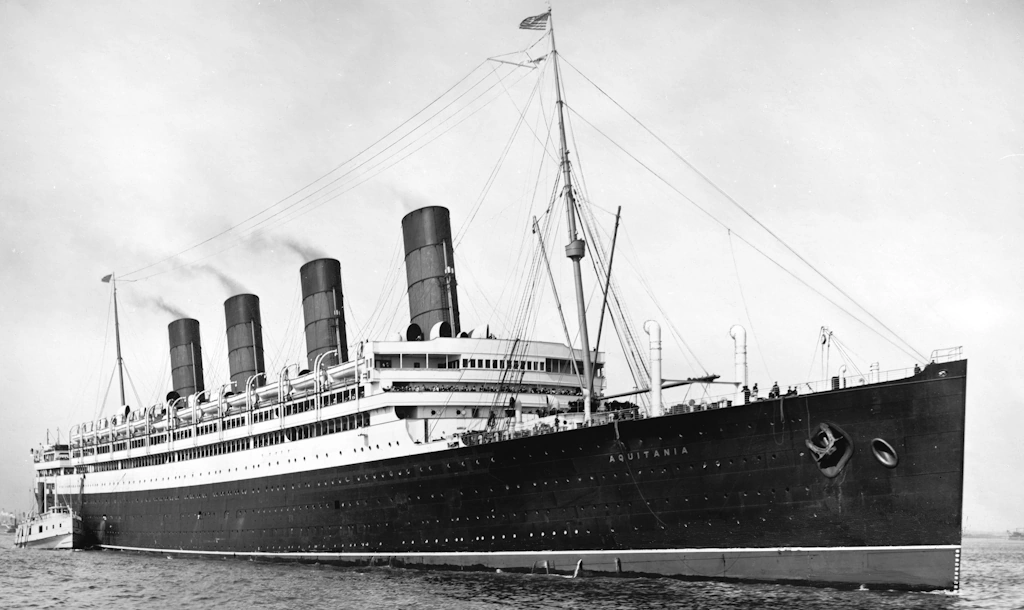
Note: The Aquitania is one of the rare vessels in maritime history to have served under both civilian and military roles across two world wars. Originally launched in 1913 as the RMS Aquitania, she was a luxurious transatlantic ocean liner operated by the Cunard Line and held the prestigious Royal Mail Ship designation, carrying official postal deliveries between Britain and North America. During World War I and later World War II, the ship was requisitioned by the Royal Navy and designated HMS Aquitania, serving as a hospital ship, a troop transport, and even occasionally a barracks ship. Unlike many ships that were lost or scrapped after military service, Aquitania returned to civilian operation between the wars and after 1945. Nicknamed the ‘Ship Beautiful’, she was renowned for her elegant interiors, four funnels, and remarkable wartime record. By the end of her career in 1950, she had sailed for over three decades and had the distinction of serving in both world wars, surviving them both — a record shared by very few ships. Depending on the historical context, she may be referred to as RMS Aquitania (in peacetime service) or HMS Aquitania (during wartime deployment).
In December, the Battalion was once again reorganized under a new Army Table of Organization which changed it into an outfit with three medium tank companies and one light tank company. Able, Baker and Charlie Cos were the medium tank companies, and Dog Co received light tanks. This light tank company was made up of officers and men from other companies in the Battalion and from the 10th Tank Company from Iceland. During their time in England, it was seldom that the Battalion was all in one place at one time. The companies were separated for special training. Able Co left Chiseldon on December 3, for special assault training. The first losses in personnel killed came during this time when one man died after being hit with shell fragments in a range accident and eleven were drowned when the crafts carrying their tanks overturned in the high surf off the coast of the English Channel. Meanwhile Baker and Charlie Cos received training in the amphibious Valentine British tanks and Dog Company test-fired its guns in still another part of England.
On January 16, 1944, Charlie and Baker Cos with sections from Headquarters and Service Cos, left Chiseldon for Great Yarmouth to participate in special training with the floatable DD tanks. This training with a floating Sherman tank was highly secret. It lasted through May. In this time there was training at Gosport in the English Channel and the final phase of ‘dry runs’ at Torcross. Another officer and two more enlisted men lost their lives in the cold channel waters at Torcross.
At the end of the year’s first month, Dog Co, the mortar and assault gun platoons, and Able Co went to South Wales for three weeks of range firing. This was found to be the best range the Battalion had used to that time. Tank gunners sharpened up their marksmanship. They knew they were going to need it. Another soldier was killed in the realistic training in South Wales. There were other moves about England to this firing range and that one, to this stretch of coast and that one, and by March the officers and men of several of the companies were almost strangers. The Battalion never seemed able to get together. There was a gathering tension as the Big Day grew closer. Everyone could feel it, and when Able Co pulled out with attachments from Headquarters and Service Cos on March 2, for Camp D-12 on the coast to take part in maneuver ‘Fox’, the men knew that the final dress rehearsals for the show were being held. But it seemed the Big Day would never arrive. After maneuver ‘Fox’, back came Able Co, and then Baker and Charlie Cos returned from gunnery problems, so that on March 7, the Battalion was assembled in one area again at Barton Stacy.
On May 19, the tension, which had ebbed, now began to tighten again. The companies were divided once more. Dog Co with elements of Headquarters and Service Cos proceeded to Southbourne. (Able Co had gone to Camp D-14, Baker and Charlie Cos trained at Torcross, on the coast, in April and May. No one knew during the final assault maneuvers whether, as they started out on one, this was to be the real thing. For everything was set. The medium companies and the wheeled vehicles to take part in the assault were completely waterproofed and combat loaded. All equipment had been checked and re-checked many times over. Everything was ready to go.
The period of waiting dragged on and on. Time seemed to have slowed to a halt, for all men were restricted to the area — just waiting for orders. The alert came to load up the tanks on the LCTs. It was June 2. Baker and Charlie Cos moved from Torcross to Portland Harbor, and Able Co moved from Camp D-14 to load at Portland, only a short distance. Was this only another exercise? Or this time the real thing? No one knew. But all had the feeling this was it, that this was the time the Battalion had trained and re-trained for. By June 3, everything was loaded into the Navy’s LCTs. From the number of ships in port the men could see that this was going to be a tremendous operation. A full day went slowly by. On June 4, word was received that the operation was postponed temporarily due to weather conditions — which were miserable. On June 5, the weather seemed no better and another delay was expected by the men. Even when the LCT lifted anchor and got under weigh, the men thought: ‘This can’t be the day’.
But it was. No dry run this time. This was the beginning, the hours before D-Day’s H-hour which was set for 0630 in the morning of June 6. The LCTs moved out with the tanks of the 743-TB toward France across the Channel. The last doubt that this might be just another maneuver was dispelled when the men looked through the bleak, cold wetness of June 5, and saw ships strung out for miles. Fast, knife-prowed destroyers sped at full steam up and down the lanes of ships. Cruisers pushed along as heavy-weight protection for the giant convoy. In the stream of ships bearing toward France were Landing Crafts Infantry, Landing Crafts Vehicle, Landing Crafts Tank, Landing Ships Tank, transports and all the rest that go to make up a modern overwater assault wave, including battleships and fighter planes.
‘No one seemed greatly disturbed over the prospects of the future’, reported one of the tank officers who was with the invasion force. ‘There was a confidence the Navy would get us on the beach, and once we were on the ground, we knew what we were going to do’.