



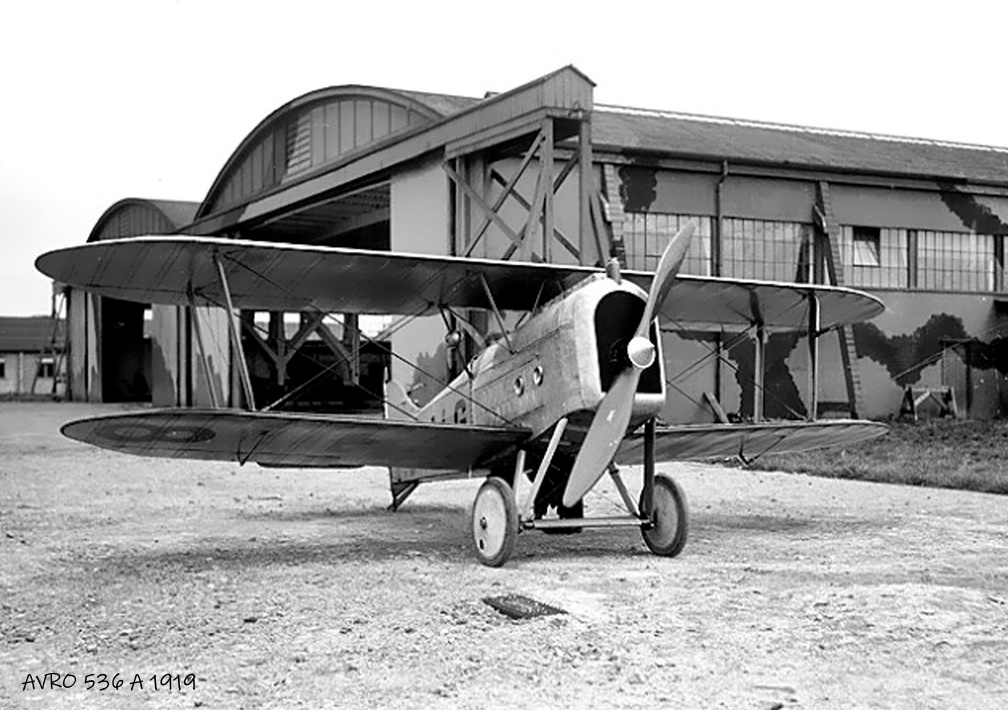
March 27 (Thursday). The 2nd Army Air Service gave a great and farewell dance in one of the large concrete hangars at the Toul Airdrome tonight. All the officers on duty at the Second] Army HQs were invited and a large part of them came. A plane was left in each corner, my Avro, a Salmson, a DH 4 and a Nieuport. Two parachutes were suspended with dummies in their harnesses! flags etc. Two bands alternated, so there were no pauses in the dancing, except when some entertaiîners from an Engineer Regiment sang and danced.
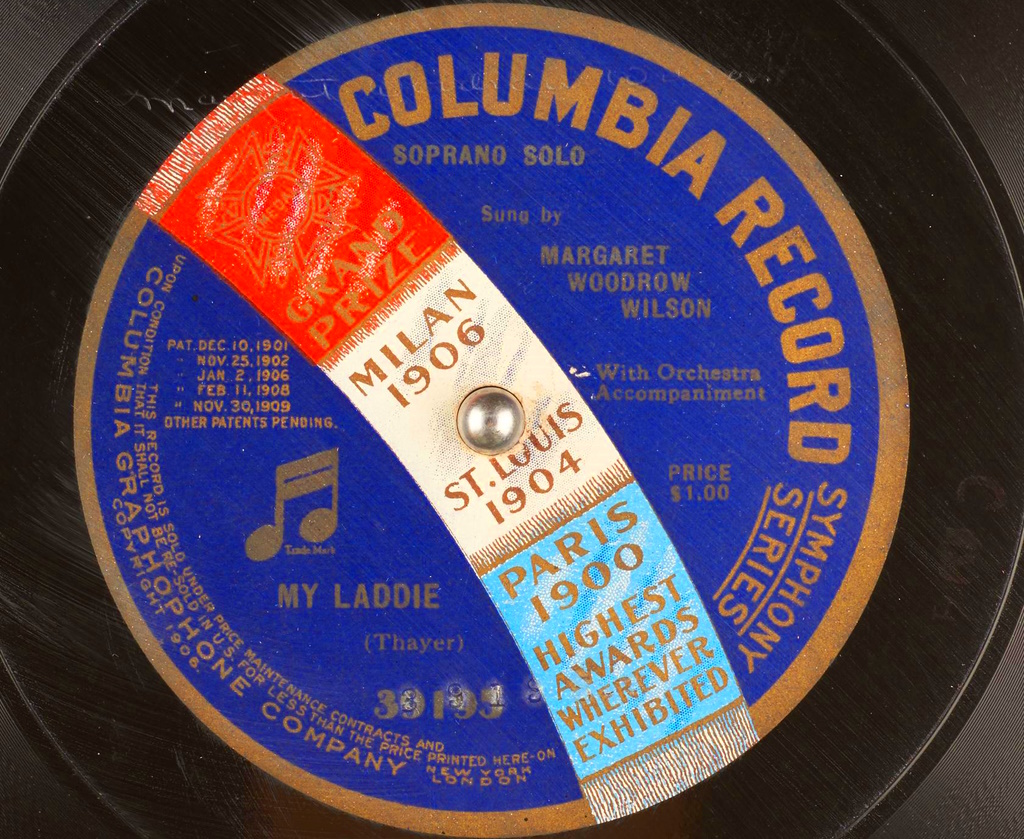
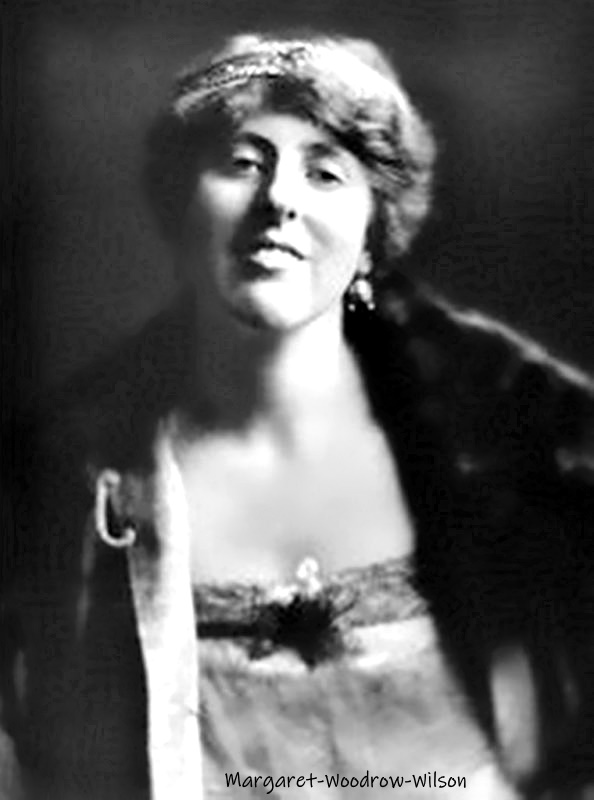 March 29 (Saturday). Stone, Olds, and I piloted Miss Margaret Wilson and her party consisting of Mr. and Mrs. David and their chaperone, a Maj Nash, out to Lay-St Remy where they gave a concert in the 5th Pursuit Group’s theatre (hangar). It was so cold and windy that they had to keep on their coats on the stage. Miss Wilson sings particularly well, I think. She sang all kinds of songs, Irish, Negro, French – popular ones especially. Mr. David is evidently an old opera singer and probably a teacher – he sang popular songs and the stirring war songs such as you would expect to hear at a patriotic meeting. Mrs. David was the ‘accompanist throughout.
After the concert, we adjourned to the officer’s mess – Stone, Thompson (athletic officer), and several from my office were there as invited guests. Bryant sang us some of his funny songs after dinner, and as the big chimney place fire was smoking, Miss Wilson was afraid it would hurt her throat so the party broke up almost as soon as we left the table. She really is very nice – anything but good-looking, but not the least bit stiff and glad to mix up and make everyone feel friendly. While the Horse Show is off, a very firm wire came from GHQ today telling us ‘to forget about breaking up the 2nd Army or moving the HQs’.
March 31 (Monday). ‘Now is the winter of our discontent …’ (Shakespeare ‘King Richard III’ Act I Scene I: Now is the winter of our discontent made glorious summer …) for today has been bright and not too cold. Tonight I took Mosher with me to see the finals in the 2nd Army basketball championship at the 4th Pursuit Group theater. The 2nd Army team made up entirely of aviators, beat the 28th Division team, 18 to 12, so our team goes to Paris now for the finals. Krout was there tonight, on a three-day leave from Bordeaux, where his Squadron, the 135th, is still waiting after 7 weeks with no immediate prospects of embarking.
April 1 (Tuesday). Had 25 min. in the Avro over the field this morning. Took Krout in it to Lay-St Rémy (15 min.) this afternoon, as I wanted to see Kirby – the field was muddy and in trying to get away, a piece of mud got the propeller – so had to leave the plane there and come home in a car. I have no luck at Lay-St Rémy – that makes twice I have had to leave the Avro there.
April 2 (Wednesday). With Capt Oldys in ‘The Bug’ flew to the French Airdrome at Sommesous this afternoon in 50 minutes, 140 km (about 90 miles), to arrange for a gas and oil station for the big flight to Paris on April 11. When I introduced myself to the C0 (Maj Van den Vaero), a captain in the room asked if I were at Saumur in 1906. It was de Drouas, who was there in the sous-lieutenant class at that time and remembered me. He asked about Capt Henry. We made the return trip in 58 minutes against the wind – pretty good time, even for a 400 HP Liberty. Bob Foy is in for dinner tonight on his way back from school at Valdahon, to join his regiment in Luxembourg – also Chaplain Billings, who has always officiated at the Evacuation Hospital No. 1 at the aviators’ funerals and who turns out to be a professor at Groton Boys School, where Tommy Heintzelman was one of his boys, also Quentin Roosevelt and many others since in the Army.
April 3 (Thursday). Had a great trip in the ‘Bug’ this afternoon with Capt Oldys. We took the Paris road as far as Haussimont, then turned northwest till I recognized the Villeneuve Airdrome, where we landed. I visited here more than a year ago, when Atkinson was here with the 94th and the 95th Squadrons, the beginning of our 1st Pursuit Group. Today, the captain in command gave me the dope on French Airdromes between here and Paris, and at 1720 we were back on the Toul Airdrome – just an hour to go, an hour and 8 minutes to return – about 100 miles. A sergeant came to the Comédie tonight where I had gone with Mosher, Carter, and Cook to see a company of the 175th Infantry, and said Gen Bullard wanted to see me at 0830. It was already that, so I hurried down, and found Gen Aultman there – Gen Bullard wanted to know what air service I had left as he is going to see Gen Pershing at Chaumont and wanted to be able to tell him. He also wanted to know if I were in shape to function at once and then said we had better make our plans so as to be able to start up on short notice if anything happened. (At this time, the Allies were quarreling among themselves over the terms of the peace treaty with Germany. This, together with a lack of food, political upheaval, and discontent (with the harshness of the Allied treaty) in Germany, caused uneasiness among the Allies lest Germany make trouble).
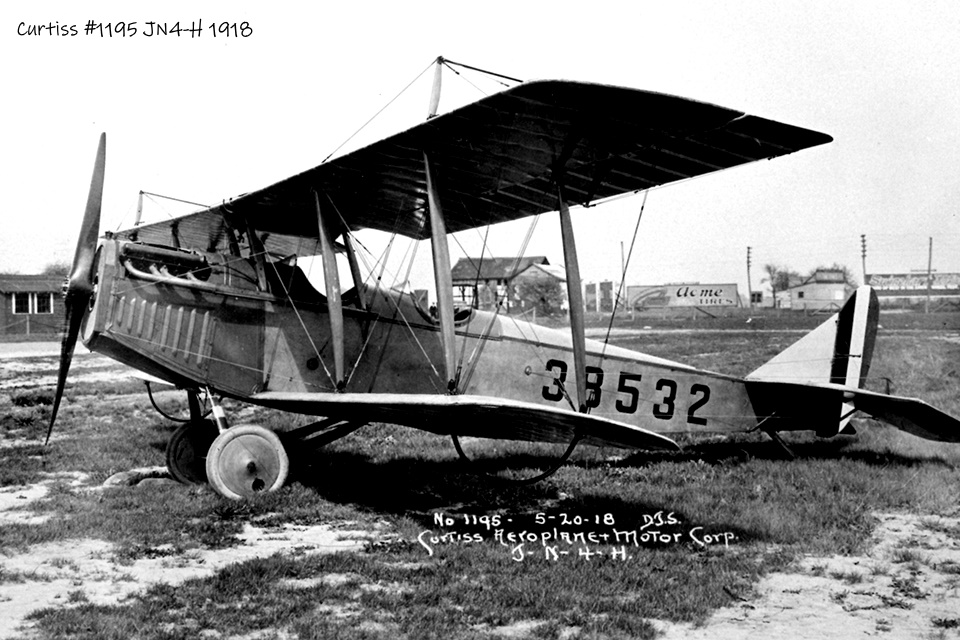
April 4 (Friday). We had a beautiful exhibition of aerial ‘combat’ at the Toul Airdrome this afternoon between a SE-5 of the 25th Squadron, and a Fokker flew by one of the 25th pilots. The Boche plane won out, as it could turn on a smaller radius, could out-zoom the SE-5, and had greater speed on the straight-away, tho the SE-5 pilot did some beautiful work, turning, rolling, diving, and reversing to keep out of the line of the Fokker’s guns. ‘Mathy’ Edward Johnston blew in tonight.
April 5 (Saturday). Appleton, Capt Oldys, Krout, and I left at 0815 with a special automobile order, which you need to take a machine even outside the gates of the city now. We reconnoitered landing fields and stopped at the Maulan Airdrome where a 1st Air Depot Detail was now dismantling. At Thieblemont, this side of Vitry-le-Francois, the motor suddenly rattled and we found it had burned out for lack of oil! Phoned back to Toul, then caught a passing French military limousine, dropped Appleton in Vitry to bring on the car – stopped at our Motor Repair Park near Haussimont, where the C0, Capt McDonald, arranged to take a detail of an officer and 25 mechanics who are to be at the Sommesous Airdrome next Friday when we all fly to Paris. Had lunch at McDonald’s mess, then started to walk. To make a long walk a short story, we tramped until 1500, then caught a ride on a one-horse two-wheeled French cart, and finally, Appleton overtook us near Fère-Champenoise. Stopped at the Linthelles Airdrome, occupied by a French Breguet squadron, where the lieutenant showed us his radio and panel code which is used to signal to the mail planes which pass every day between Paris and Strasbourg. A flat tire nearly wrecked us beyond Rozay, but after successfully taking a rock pile, and grazing a tree, the driver stopped us in the road.
April 6 (Sunday). All morning at the 45 Avenue de Montaigne. After lunch, picked up Oldys and Krout at the Louvre Hotel and ran out to Orly where I found Sheldon Wheeler, the executive officer. The Orly Airbase is a beautiful field and will make a fine landing place for next Friday. Made all the arrangements with Wheeler. At 1530, we started to follow the course back, stopping at the Ormeaux Airdrome where the French have a trio of a Breguet squadron, with another radio and panel station for their postal planes. A broken spring on the Cadillac got so bad we had to support it with a big stone, and finally limped into Fère-Champenoise 2230.
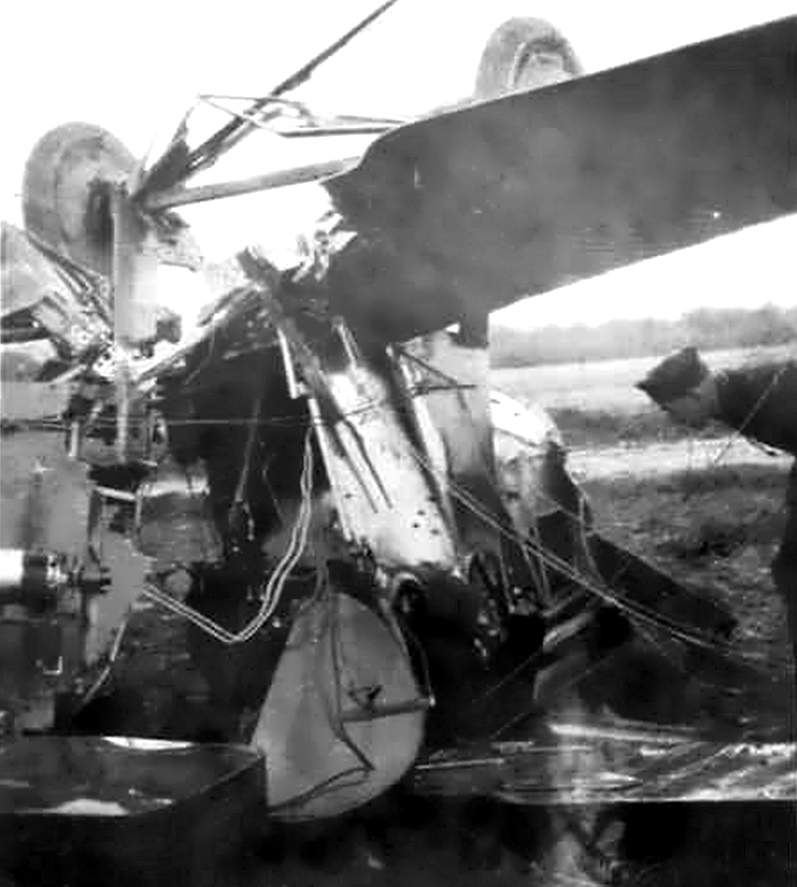
April 7 (Monday). Sent both a wire and phone message explaining the delay in reaching Toul thru HQs of a French artillery regiment in the town, but found afterward that they never got thru to Toul. We limped along to Haussimont and our friend Capt McDonald of the Motor Repair Park where they managed to dig up enough leaves to make us a perfectly good Cadillac spring – safely in Toul at 1400. Hurried to Colombey and arrived just at the end of Gen Patrick’s review of the troops – I joined him and Aleshire on an inspection of the 1st Air Depot. It looked very well, barracks were in good condition. Maj Campbell is laid up in the hospital at Barisey-la-Cote with a broken leg similar to mine and the result of a very similar accident. Gen Patrick with Capt Taylor, his aide, came back to Toul with me and we called on Gen Bullard at his quarters. This has been an unlucky day at the Toul Airdrome. A Liberty crashed on taking off, or rather about 200 feet in the air. Lt Frederick S. Hartman was killed, and Lt Phil F. Hellers was badly hurt.
April 8 (Tuesday). Gen Patrick inspected each of the four groups today, had officers and men lined up underarms in each case, and made them a speech thanking them for what they had done, telling what the Air Service as a whole had accomplished nearly 2500 flyers sent to the front, twice as many Boche brought down as the number of men we lost, about 750 ships on the Front Land nearly 80.000 personnel in Europe at the end of the war – and this had grown from a strength of 65 officers and 1000 men in April 1917. I hurried back to Lt Hartman’s funeral. Lt Jerry T. Illich was another of the unfortunate ones. He was crossing the Toul Field yesterday but did not see a Spad that was taking off, until it was right on him, dropped flat, but one of the wheels hit him in the neck and broke it, killing him instantly.
April 9 (Wednesday). These are unlucky days – fate seems to have started on the trail of the 2nd Army Air Service. Two lieutenants of the 25th were flying over the funeral ceremony of Lt Illich dropping flowers when they collided and crashed. Both, Lt Charles R. Gustofsen and Lt Carl O. Noemi, were killed. The Strange part is, that one of them is the man who killed Illich yesterday. Louise Kimbalt came in today in a Red Cross uniform, joïning Miss Andress’ force at the station. Word came today that Gen Pershing will come on Friday, to review the 2nd Army troops on the Toul Airdrome and present some decorations. The Air Service will turn out for the ceremony.
April 11 (Friday). Rainy and misty this morning. Sent the 2nd Day Bombardment Group and the 5th Pursuit by rail to Paris]. Fowler came in last night, also ships from his 3 Observation Squadrons and the 94th Pursuit, and sent them all on by train. At ten all the troops, about 5000, began to assemble on the Toul Airdrome, so the planes had to start or give it up entirely. I told them to take off and go as far as Lay-St Rémy, then if they could continue on, do so. They started in the mist and occasional showers, found conditions better as they went west and 32 ships continued on to Paris.
The ceremony on the Toul Field was quite an event. All available 2nd Army troops turned out, including the nurses, laundry units, MPs, black labor troops, etc. There were 102 officers and 1616 men of the Air Service, organized into 4 groups, all making up a separate detachment that formed the entire marching part of the right wing. We rehearsed, then stood and waited from 1000 till about 1430 when Gen Pershing showed up. He made a careful inspection of each unit but said he would not have them pass in review. The men were so disappointed they groaned when they heard it. Gens Bullard, Gen Aultman, and Heintzelman received their DSM. Then the whole command, with the nurses in front, was massed in a V, Gen Pershing climbed up on an escort wagon and spoke for about 15 minutes – his voice gave out or he would have gone on. He told how the Allies were tired in 1917, how our coming into the war made it possible for them to win – wanted everyone to understand that – and take it home with him – he thanked everyone for having done his part, whether it was large or small. Finally, Oldys and I took off in ‘The Bug’ (McNarney and Schirra preceded us in a Liberty, and Kirby followed in an SE). I got as far as Void, the engine heated up due to trouble with the oiling system, so we landed on the Ourches Field. Came in my car, reaching Avenue de Montaigne at about 1245. Found over 100 had reported. Just one bright spot: when I stopped at Sommesous last night, I found none had had to land there on their way in.
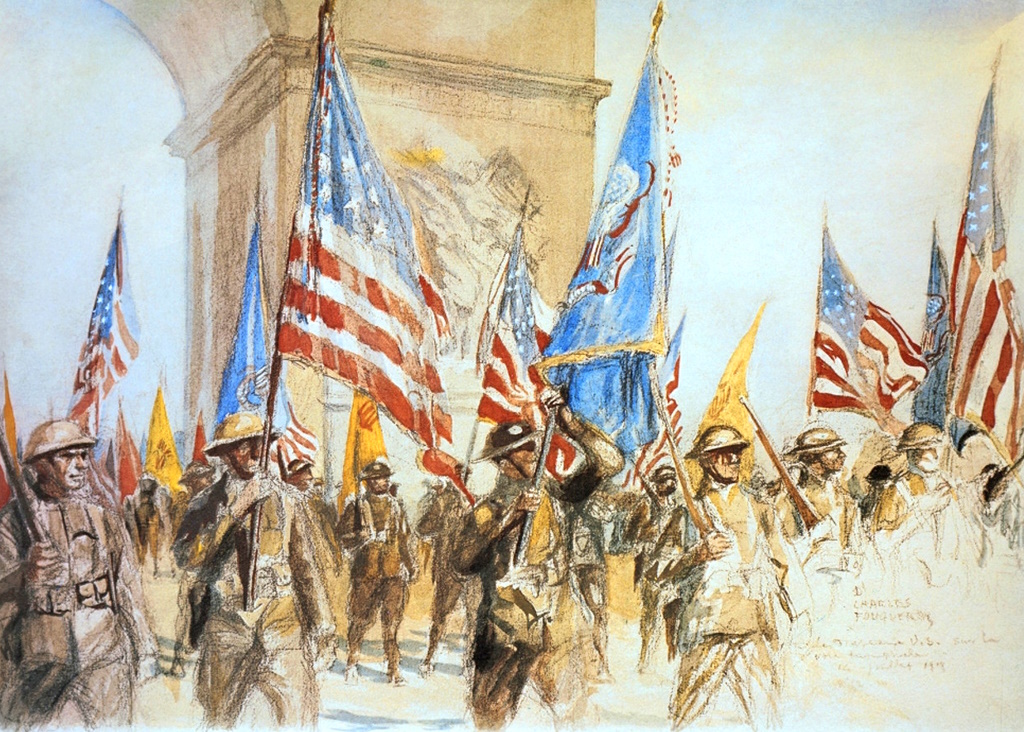
April 12 (Saturday). Reported at the Opéra Comique at 1000 and rehearsed until nearly noon for the ceremony, then hurried out to Parc des Princes, brought Katherine in with me – she dropped me at the Place du Carrousel, where the 295 officers of the three Amy Air Services were formed – I had the pleasure of marching them up the Aveenue de l’Opéra and the Boulevard to the Opéra Comique where the ‘Gala’ performance started at 1400. First, they gave ‘La Flute Enchantée’, a pretty one-act opera. Then 48 of our officers, representing many squadrons and balloon companies took seats on the stage, about 25 French aviators, including my friend Petit, now a major, Fonck and a number of other celebrities, Gen Patrick, Gen Duval, Chief of the French Air Service and Lt Col Gros. Gen Patrick made a very eloquent address in which he told of the help France gave us thru Lafayette, then down to the present day – after which Col Gros read it in French.
Then M. Lausanne, editor of ‘Le Matin’, made the presentation address in English, the number of each squadron was called, the name of the aviator representing it, then one of the French aviators handed him a banner, saluted and they shook hands. There was great applause from the French each time that one of their ‘aces’ rose, and great applause from our Air Service in the audience each time a banner was handed to one of our aces. Between acts we visited. Katherine and I called Gen Patrick who had Mrs. Wilson (wife of President Wilson) in his box. My father, Katherine, and I talked to Besancon, Mr. Deutsch de La Meurthe (President of the Aero Club de France), and his daughter – de la Vaulx was there too.
The ceremony was typically French, arranged with the greatest nicety as to details, and went off very well. These banners had been distributed to all Aîr Service men in the audience, and at the appointed time we all waved them vigorously. Mlle Alavoine sang the ‘Star Spangled Banner’ with tremendous feeling, that is the only way to describe it, and the last thing, a Frenchman sang ‘La Marseillaise’, the chorus of the Opéra joining in. Each little banner had been embroidered by some particular one or ones, whose name was announced as it was handed out. The one I carried had a note pinned to it, signed by four little girls all 11 or 12 years old, saying they had gone back to school every day during the Christmas holidays to work on the banner! They deserve a letter from the squadron or company that receives their banner.
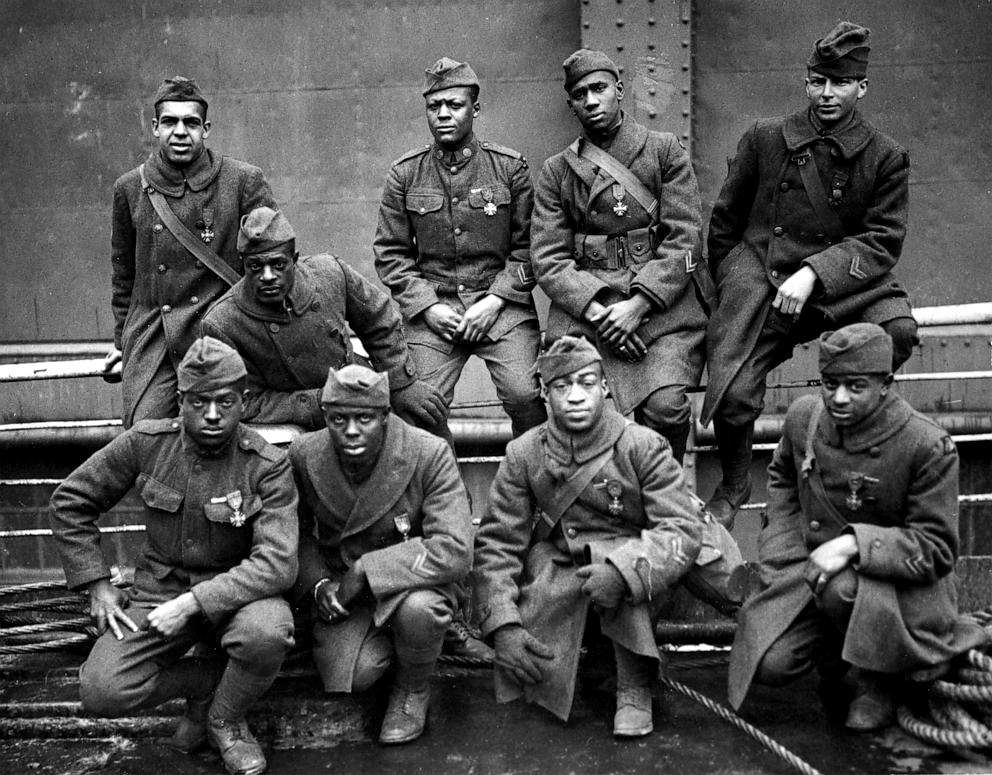
The 369th Infantry Regiment (15th New York) is pictured on the deck of the ship Stockholm, upon their return to the United States from Europe, on February 12, 1919. Known as The Harlem Hellfighters, it was the first American regiment (colors) to serve with the American Expeditionary Forces during World War I. Front Row, left to right: Pvt ‘Eagle Eye’ Ed Williams; Pvt ‘Lamp Light’ Herbert Taylor; Pvt Leon Fraitor; Pvt ‘Kid Hawk’ Ralph Hawkins. Back row, left to right: Sgt H.D. Prinas; Sgt Dan Storms; Pvt ‘Kid Woney’ Joe Williams; Pvt ‘Kid Buck’ Alfred Hanley, and Cpl T. W. Taylor.
End of part Three – Go To Part Four