

Reviewed by Doc Snafu on August 7, 2026.
ZYKLON B: FROM PESTICIDE TO AN INSTRUMENT OF MASS MURDER
Origin, Composition, Industrial Production, Criminal Use, Trials, and Postwar Legacy
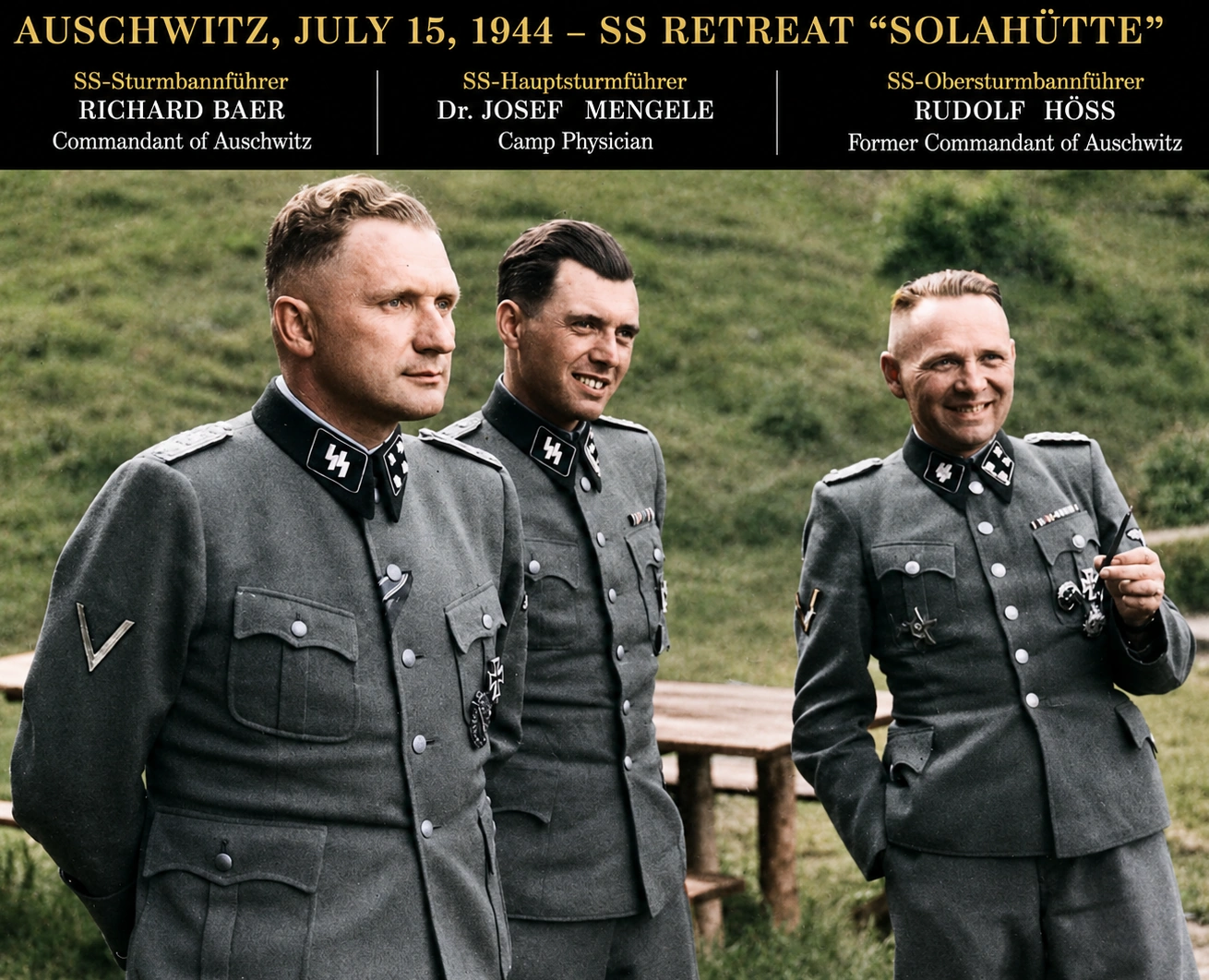
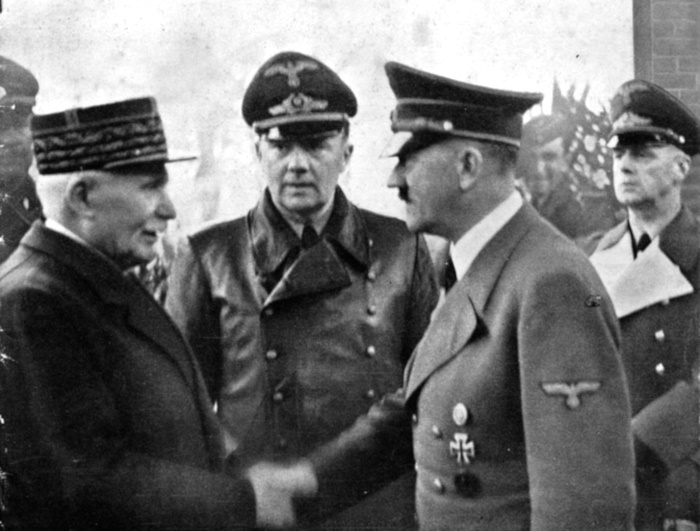
The photograph does not show the use of Zyklon B. Its historical significance lies in the contrast between the relaxed social setting and the functions exercised by the three men within the Auschwitz complex during the mass deportation and murder of the Hungarian Jews.
Introduction
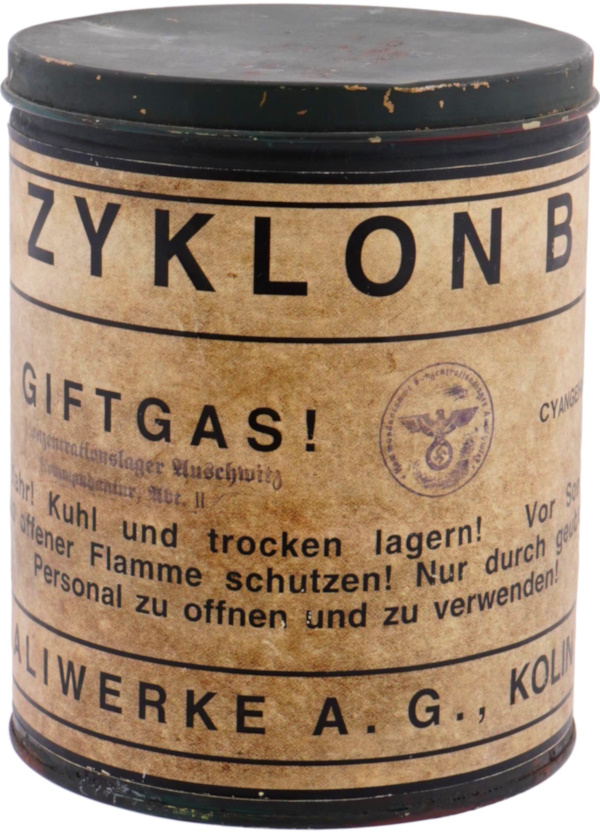
Zyklon B was not invented as a weapon of genocide. It was a commercial fumigant based on hydrogen cyanide, developed in Germany during the early 1920s for the destruction of insects and other pests in enclosed spaces. Before and during the Second World War it was used for legitimate sanitary and industrial purposes, including the delousing of clothing, the disinfestation of buildings, and the fumigation of ships, warehouses, mills, railway cars, and stored goods.
The history of the product was transformed irreversibly when the SS adopted it as an instrument of murder. Beginning at Auschwitz in September 1941, SS personnel used Zyklon B experimentally against Soviet prisoners of war and sick Polish prisoners. From 1942 onward, it became the principal killing agent in the gas chambers of Auschwitz-Birkenau. It was also used for homicidal gassing at the Lublin-Majdanek concentration camp and in more limited killing operations at certain other concentration-camp sites. It was not, however, the universal killing agent of the Holocaust. The killing centers at Bełżec, Sobibór, and Treblinka relied principally on carbon monoxide generated by engines, while Chełmno used gas vans. Mass shootings, starvation, lethal injection, forced labor, physical abuse, and deliberately lethal living conditions accounted for millions of additional deaths.
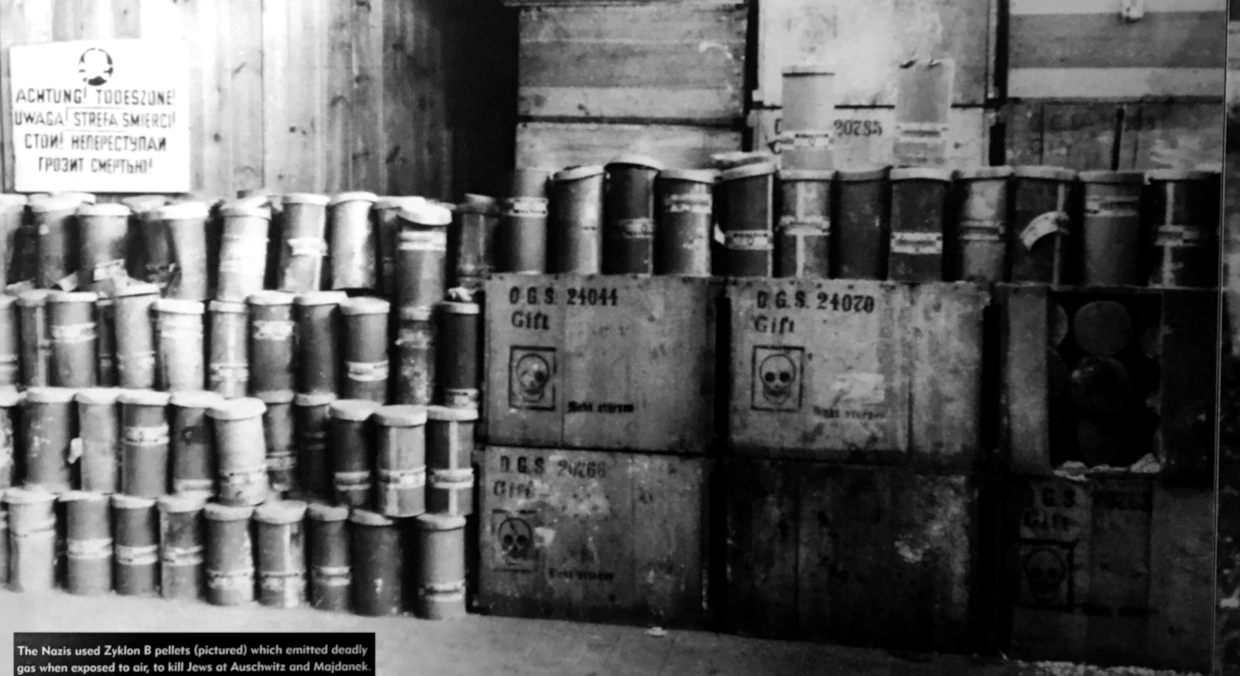
Understanding Zyklon B therefore requires two histories to be examined together without confusing them: the history of a pesticide and fumigation system, and the history of its deliberate conversion into a means of systematic mass murder. The first does not diminish the second. Equally, the criminal use of the product must not lead to the false assertion that every consignment delivered to a concentration camp was intended for a gas chamber. Camps faced severe infestations and used large quantities for delousing and disinfestation. The historical task is to establish, from converging documentary, architectural, material, perpetrator, and survivor evidence, where and how the transition from pest control to murder occurred.
 Hydrogen Cyanide Before Zyklon B
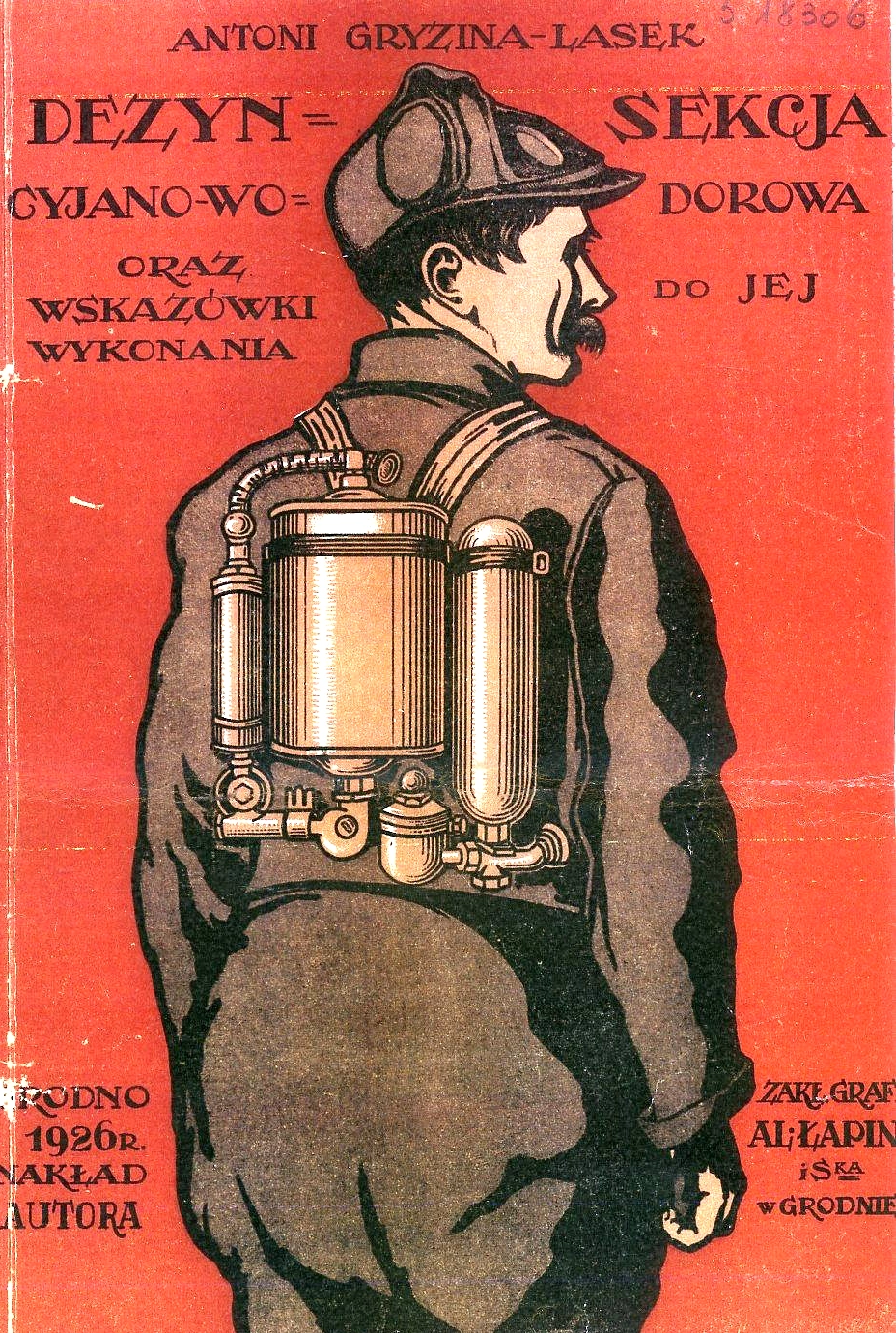
Hydrogen cyanide—historically called prussic acid—is a volatile, highly poisonous chemical compound. The Swedish chemist Carl Wilhelm Scheele isolated it in 1782 during investigations involving the pigment Prussian blue. During the nineteenth century, chemists acquired a progressively clearer understanding of its properties and industrial possibilities. In the 1880s, hydrogen cyanide began to be employed in California to fumigate citrus trees beneath tents. Its ability to penetrate enclosed spaces made it effective against insects, but its volatility and toxicity created exceptional dangers for applicators. The method subsequently spread to other agricultural and industrial settings. Hydrogen cyanide was used to treat mills, grain stores, warehouses, railway freight cars, ships, and other enclosed structures. Safe fumigation depended upon sealing the treated space, calculating the required concentration, controlling temperature and exposure time, ventilating the space thoroughly, and preventing unprotected personnel from entering.
German scientists and pest-control specialists studied hydrogen-cyanide fumigation before and during the First World War. Fritz Haber and researchers associated with German chemical institutions contributed to the broader scientific and technical development of fumigation practices. This background helped create the expertise from which the Deutsche Gesellschaft für Schädlingsbekämpfung mbH—Degesch, the German Corporation for Pest Control—emerged in 1919.
From the Original Zyklon to Zyklon B
Degesch initially marketed an earlier cyanide-generating pesticide under the name Zyklon, later described as Zyklon A. That preparation differed from the subsequent product and released hydrogen cyanide through a chemical reaction. Its commercial future was affected by post-First World War restrictions because a related component had figured in German chemical warfare. In 1922, the Deutsche Gold– und Silber-Scheideanstalt—generally known as Degussa acquired Degesch. Walter Heerdt, Bruno Tesch, and other specialists then worked on a more practical system for storing, transporting, and releasing hydrogen cyanide. Instead of generating the gas at the place of use through a chemical reaction, liquid hydrogen cyanide was absorbed into or deposited upon a porous carrier and sealed inside an airtight metal canister. When the canister was opened and the carrier exposed to the atmosphere, hydrogen cyanide evaporated and diffused into the enclosed space.
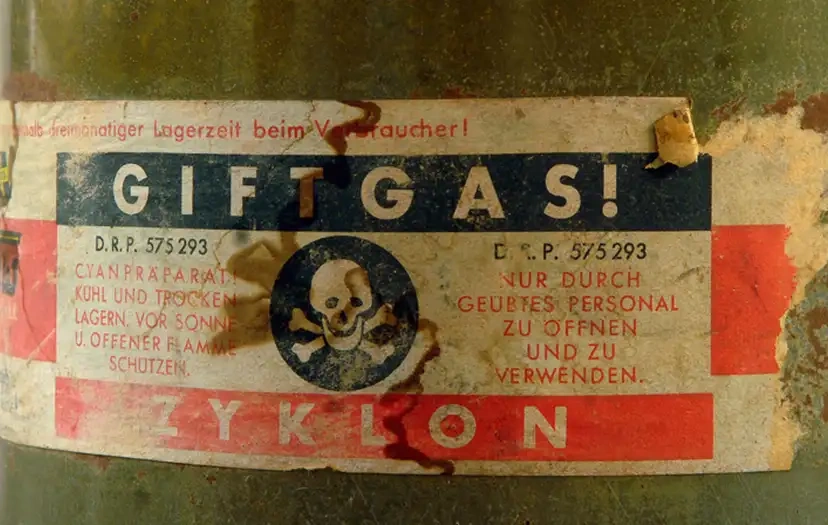
Walter Heerdt was named as the inventor in German patent DE 438818, filed on June 20, 1922, and published on December 27, 1926, under the title Verfahren zur Schädlingsbekämpfung (Process for Pest Control). The product continued to bear the name Zyklon but became known as Zyklon B in order to distinguish it from its predecessor. Zyklon B was not a conventional “gas in a can.” The sealed container held hydrogen cyanide together with a solid carrier. Different carriers were used at various times, including diatomaceous earth and gypsum-based forms. A stabilizer limited premature decomposition. Commercial preparations could also include a warning or irritant substance intended to alert trained fumigation personnel to leakage or exposure. Documentary evidence indicates that warning-agent-free preparations were also supplied. The absence or presence of a warning agent did not change hydrogen cyanide’s fundamental toxicity. The release rate depended upon several conditions, particularly temperature, air circulation, the form of the carrier, and the dimensions of the treated space. Hydrogen cyanide evaporated more slowly in cold conditions. This fact affected both ordinary fumigation and homicidal gassing, and helps explain the use of ventilation systems and other procedures in permanent killing installations.
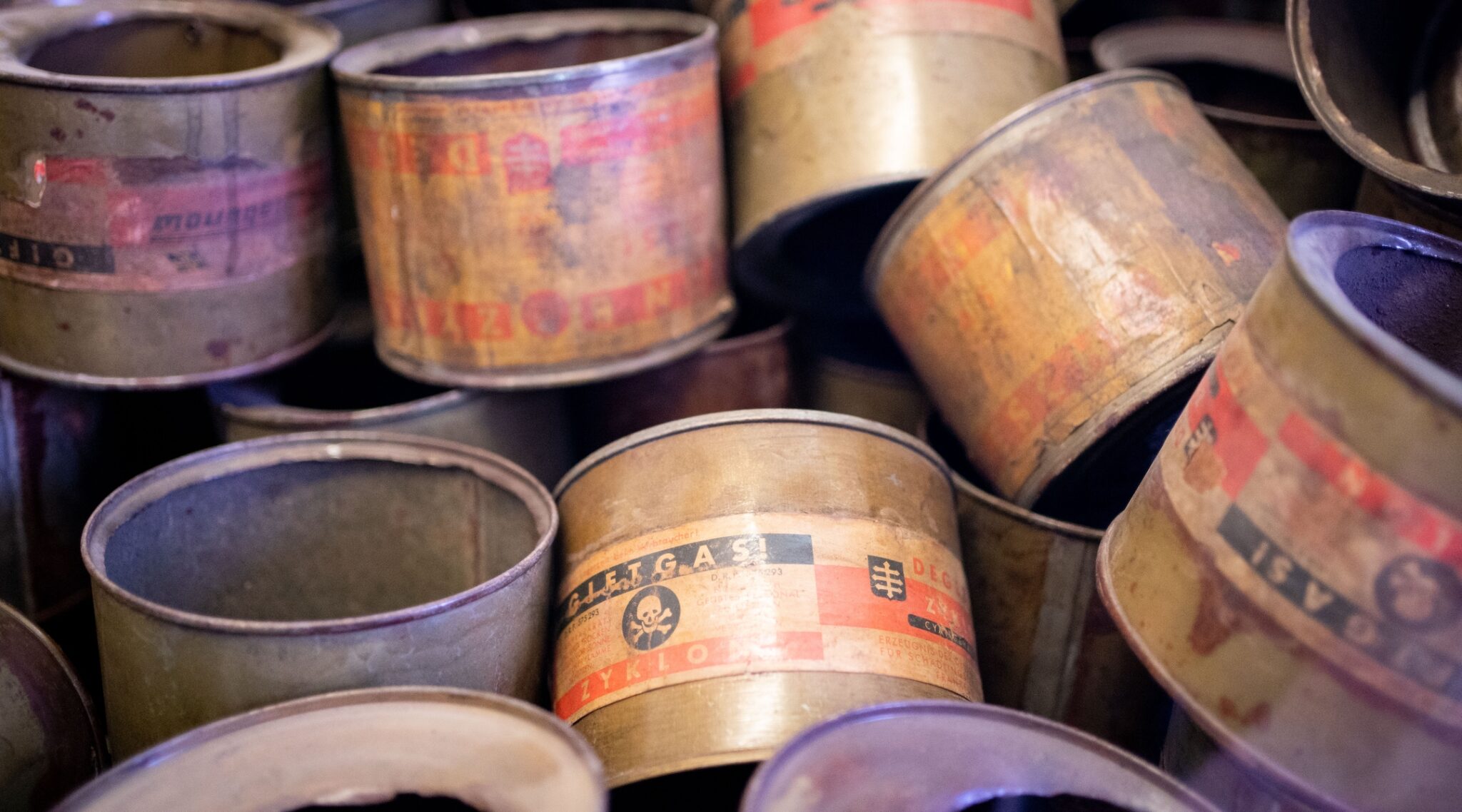
Toxicological Action
Hydrogen cyanide is a cellular asphyxiant. After entering the body, cyanide interferes with the ability of cells to use oxygen. It binds to the ferric component of mitochondrial cytochrome c oxidase—Complex IV of the electron-transport chain—and obstructs the transfer of electrons to oxygen. Oxidative phosphorylation and the production of adenosine triphosphate are consequently disrupted. Oxygen may remain present in the blood, but the tissues cannot use it normally, producing histotoxic hypoxia. The central nervous system and the heart, which have high and continuous energy requirements, are especially vulnerable. Acute exposure can produce headache, dizziness, confusion, nausea, respiratory distress, convulsions, loss of consciousness, cardiovascular collapse, respiratory arrest, and death. The speed of onset depends upon concentration, duration, route of exposure, and individual circumstances. At high airborne concentrations, incapacitation and death can occur within minutes. This mechanism must be described without suggesting that death was instantaneous or painless. Testimonies from perpetrators and survivors demonstrate that victims trapped in the gas chambers suffered terror, respiratory distress, convulsions, and a violent struggle for air before death.
Industrial Organization, Ownership, and Distribution
The manufacture and sale of Zyklon B involved a network rather than a single factory acting alone. Degesch controlled the commercial rights, technical system, trademarks, and marketing arrangements. Degussa exercised managerial control. In 1930, Degussa transferred 42.5 percent of Degesch to IG Farbenindustrie AG and 15 percent to Th. Goldschmidt AG while retaining a 42.5-percent holding and the dominant managerial role. Hydrogen cyanide and the components of the final preparation passed through several associated or licensed enterprises. Dessauer Werke in Dessau and Kaliwerke Kolin at Kolín were involved in production during different periods. Stabilizing and warning components were obtained through other German chemical firms, and Degesch supplied standardized canisters, labels, and application equipment. This division of labor means that the expressions “manufacturer,” “patent holder,” and “distributor” should not be used interchangeably.
The principal regional distributors were Heerdt-Lingler GmbH—Heli—based in Frankfurt am Main, and Tesch & Stabenow International GmbH—Testa—based in Hamburg. Their commercial territories were broadly divided by the Elbe. Heli served western and southern areas, while Testa handled eastern territories that included occupied Poland. Degesch held a controlling interest in Heli and, until 1942, a controlling interest in Testa. Testa had been founded in 1924 by chemist Bruno Emil Tesch and businessman Paul Stabenow. Stabenow left the business in 1927, although his name remained in the company title. Testa did more than transmit orders. It provided technical advice, conducted fumigations, and trained personnel in the handling of hydrogen cyanide. Its clients included the Wehrmacht and SS Agencies, as well as concentration camps located within its sales territory.
Before the war, overseas business formed an important part of Degesch’s market. Zyklon products were manufactured under licence in the United States, first through Roessler & Hasslacher and later through American Cyanamid. Hydrogen-cyanide fumigation was also used by American public-health and border authorities on clothing, baggage, and freight at the United States–Mexico border. This history demonstrates the international use of cyanide fumigation, but it must not be presented as an equivalence with Nazi mass murder. Public-health fumigation and homicidal gassing differed in purpose, targets, administration, and historical context.
Wartime Sanitary Use
Typhus, transmitted principally by infected body lice, posed a major threat in wartime Europe. Overcrowding, inadequate sanitation, displaced populations, prisoner transports, and shortages of clean clothing encouraged infestation. German military and camp authorities employed Zyklon B to fumigate clothing, bedding, barracks, stores, and transport facilities. Special delousing chambers and mobile fumigation equipment were designed for these purposes. At Auschwitz and other camps, sanitary use was extensive and genuine. Prisoner clothing and accommodation were fumigated, although disinfection measures were often brutally administered and remained grossly inadequate to protect prisoners living under deliberately destructive conditions. SS personnel, guards, and camp operations also benefited from pest-control measures. This dual use is essential when interpreting delivery records. A consignment sent to Auschwitz cannot automatically be classified as homicidal, and the tonnage delivered cannot simply be converted into a number of victims. Conversely, proof that Zyklon B was needed for delousing does not explain away architectural evidence, orders, eyewitness accounts, perpetrator testimony, and the physical remains of the killing installations. Both uses occurred within the same complex.
The First Homicidal Use at Auschwitz
According to the Auschwitz-Birkenau State Museum, the first mass killing with Zyklon B at Auschwitz took place on September 3, 1941, in the cellars of Block 11 at Auschwitz I. Approximately 600 Soviet Prisoners of war and about 250 sick Polish Prisoners were murdered. Earlier or preliminary experiments are mentioned in some postwar accounts, including the recollections of Rudolf Höss, but the September 3 operation is the first homicidal gassing established by the Museum’s historical chronology. SS-Hauptsturmführer Karl Fritzsch, the camp’s protective-custody leader, is generally associated with the initiative. Höss later described learning of the experiment and approving the method. Block 11 was poorly suited to repeated gassing. The building had to be cleared, the cellar was difficult to ventilate, and the removal of bodies was cumbersome.
Late in September 1941, the SS converted the morgue attached to Crematorium I into a provisional gas chamber. Openings were made through the roof for introducing Zyklon B, and the room was fitted for sealing. Soviet Prisoners of war and other victims, including sick and exhausted Jews transferred from forced-labor camps in Upper Silesia, were murdered there. The gas chamber at Auschwitz I was gradually abandoned as the killing operation moved to Birkenau. Crematorium I continued to burn bodies until July 1943; this date must not be confused with the earlier termination of regular gassing in its morgue.
Bunkers 1 and 2 at Birkenau
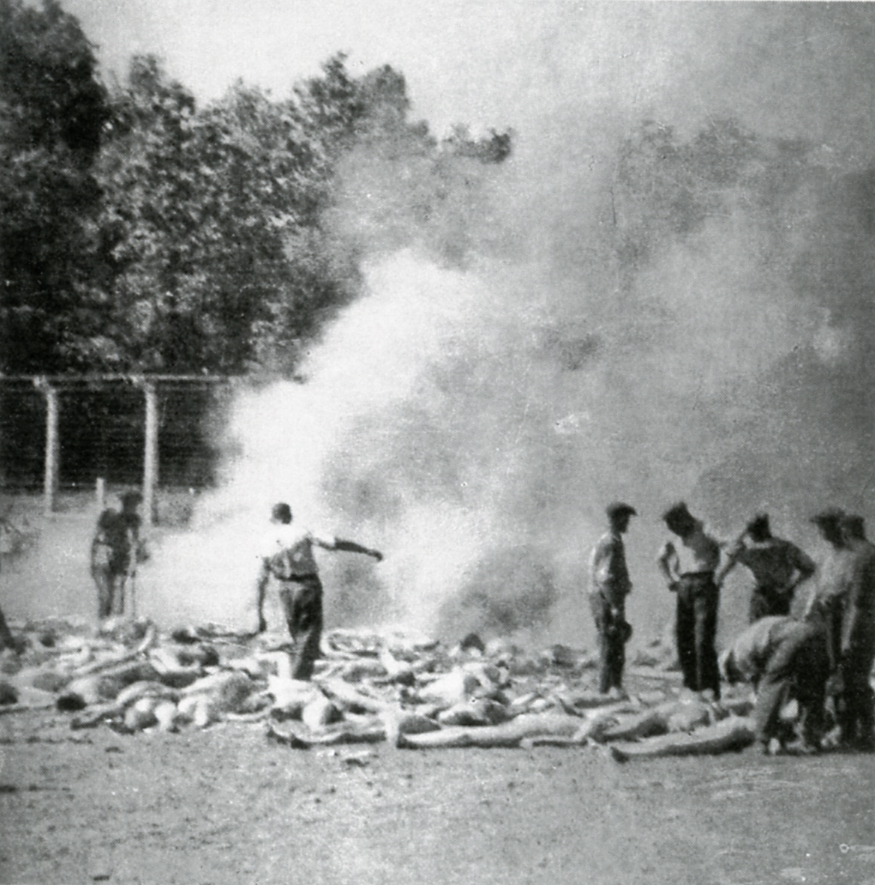
Construction of Auschwitz II-Birkenau began in October 1941. In early 1942, the SS converted an isolated brick farmhouse near the Birkenau camp into a gas chamber. The building became known after the war as Bunker 1 or the “Red House.” Its internal spaces were altered, its windows were bricked up, openings were created for introducing Zyklon B, and doors were adapted so that the rooms could be sealed. It was used for killing by late March 1942. A second farmhouse, Bunker 2 or the “White House,” was converted and brought into use later in 1942. Victims were made to undress in nearby huts and were then forced into the gas chambers. After gassing, prisoner labor detachments removed the bodies and transported them to mass graves. When burial capacity and decomposition created further problems, bodies were exhumed and burned in open-air pits. Rudolf Höss later gave nominal capacities of approximately 800 people for Bunker 1 and 1,200 for Bunker 2. These are perpetrator estimates, not independently measured safe “capacities,” and should be identified as such. The SS packed victims into the rooms under conditions of extreme violence.
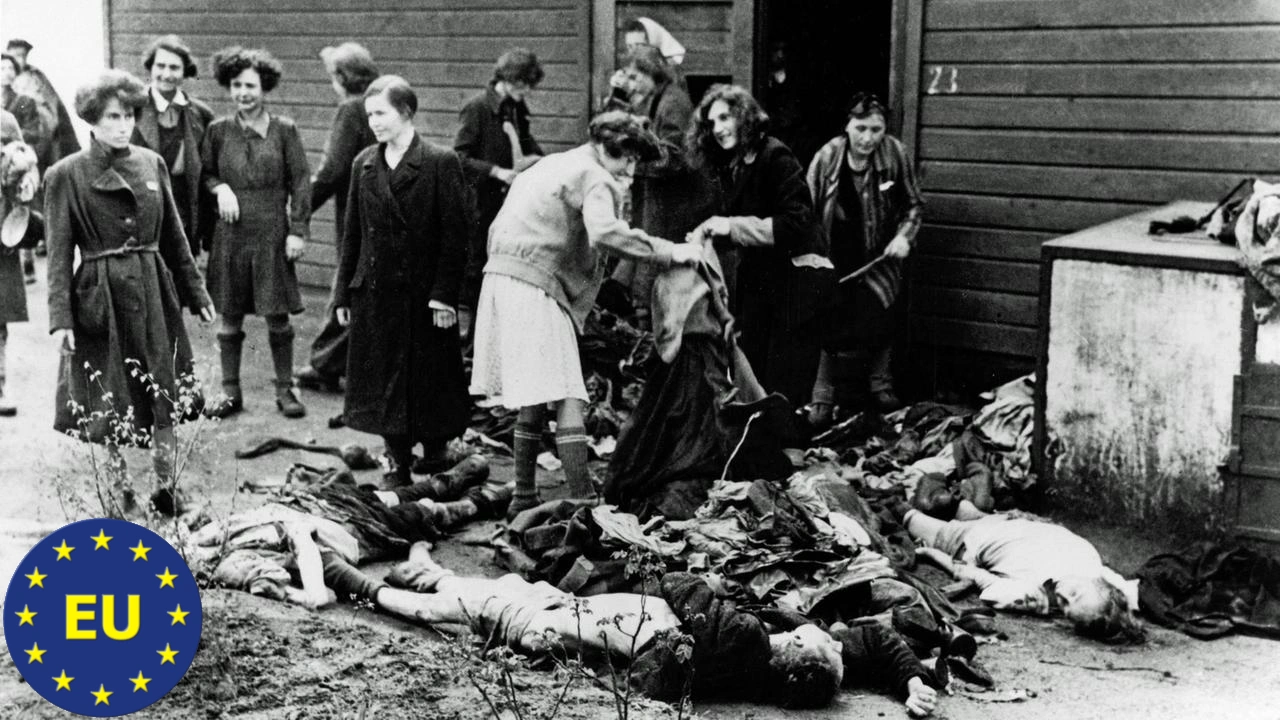
(From the Third Reich to European Integration: This composite image juxtaposes the consequences of Nazi rule with the emblem of the modern European Union. The historical photograph appears to show women among the corpses of prisoners at Bergen-Belsen following the camp’s liberation by British forces in April 1945; its exact archival identification remains to be confirmed. The European emblem in the lower-left corner was added subsequently and is not part of the original photograph. Walter Hallstein (1901–1982), a German professor of law and reserve officer in the Wehrmacht during the Second World War, was captured by American forces at Cherbourg in 1944. After the war, he became a senior West German diplomat and, from 1958 to 1967, the first President of the Commission of the European Economic Community. Hallstein played an important role in postwar European integration, but he was neither President of the present-day European Union nor the documented author of a European constitution created for the Third Reich in 1944.)
The Birkenau Crematoria and Gas Chambers
The SS Leadership expanded the killing capacity of Birkenau through four large crematorium complexes. Crematoria II and III were based on a design originally developed around mortuary functions, but the plans and construction were modified for mass killing. The installations included underground undressing areas and gas chambers, gas-tight doors, means of introducing Zyklon B, and mechanical ventilation. Crematoria IV and V used a different above-ground design with several gas-chamber rooms and openings in the external walls. The complexes became operational in stages during the spring and early summer of 1943: Crematoria II and IV in March, Crematorium V in April, and Crematorium III in June. Their existence allowed the SS to combine selection, undressing, gassing, removal of bodies, plunder, and cremation within a coordinated system. Details concerning the precise form of the Zyklon-introduction devices in individual buildings changed over time and have been reconstructed from plans, correspondence, construction records, ruins, photographs, and testimony. The destruction of the crematoria by the SS and wartime damage left an incomplete physical record, but the total body of evidence for homicidal gassing is extensive and mutually corroborating.