




At the same time, the operation had significant secondary effects. The need to guard against infiltration imposed additional burdens on Allied units, particularly in terms of security and verification. The presence of disguised enemy personnel introduced an element of uncertainty that affected both command and control and the conduct of routine operations. This psychological impact, while difficult to quantify, was recognized in contemporary reports as an important aspect of the German effort. As the offensive progressed into its later stages, the focus of Allied intelligence shifted from immediate countermeasures to the exploitation of captured information. Detailed interrogation of prisoners provided a clearer picture of the organization, training, and intentions of Panzer-Brigade 150. These reports confirmed earlier assessments while adding new details regarding the composition and deployment of the brigade.
In particular, the identification of Einheit Stielau as a distinct component within the brigade clarified the role of infiltration units in the overall operational concept. The division of these units into specialized groups, each with defined tasks, reflected a level of planning and organization that, while not fully realized in execution, demonstrated the intent behind the operation. The coordination between these groups and the armored elements of the brigade, though imperfect, indicates an attempt to integrate deception and conventional force in a unified approach. By early January 1945, the operational environment had changed significantly. The German offensive had lost momentum, and Allied forces had regained the initiative in several sectors. Under these conditions, the continued employment of Panzer-Brigade 150 in its original role was no longer feasible. Reports from this period indicate that elements of the brigade were withdrawn, regrouped, and eventually returned to rear areas. The dissolution of the brigade on January 17, marked the end of its operational existence. Personnel were reassigned, and the specialized equipment and uniforms used in the operation were relinquished. The experience gained during the operation, however, did not disappear. Indications of subsequent efforts to form similar units suggest that the concept of infiltration and deception retained its appeal within certain elements of the German command structure, even as the strategic situation deteriorated.
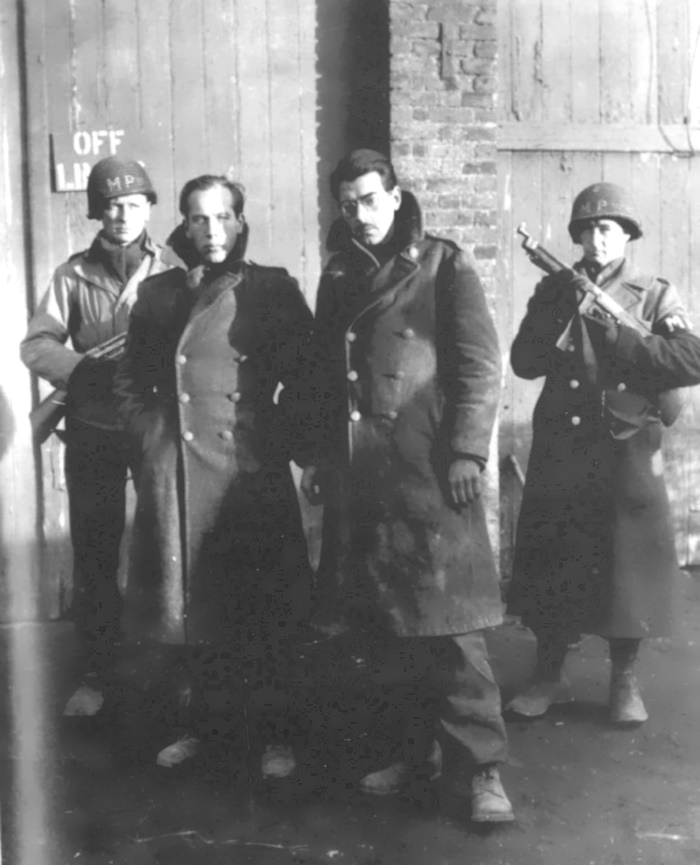
In retrospect, the operations of Panzer-Brigade 150 in December 1944 represent a complex interplay of innovation, preparation, and limitation. The integration of linguistic capability, material deception, and tactical infiltration was ambitious and, in certain respects, ahead of its time. At the same time, the practical challenges of execution in a contested and rapidly evolving environment exposed the vulnerabilities inherent in such an approach. The operation’s ultimate failure underscores the difficulty of translating conceptual advantage into sustained operational success under conditions of modern warfare. The interrogation of prisoners belonging to Einheit Stielau and associated elements of Panzer-Brigade 150 provides a detailed reconstruction of the internal functioning of the unit and the practical implementation of its mission. Statements given by Oberfähnrich Gunther Billing, Gefreiter Wilhelm Schmidt, and Sgt Alfred Krauss, corroborated by subsequent interrogations including that of Lt Günther Schulz of the Luftwaffe, establish a coherent picture of a formation built around linguistic capability, small-unit autonomy, and the controlled application of deception.
The process of selection and assignment reveals both the ambition and the inherent limitations of the concept. Personnel were not drawn from a single branch but from across the German armed forces, including naval signal units and Luftwaffe communications personnel, indicating a search for specific skills rather than unit cohesion. The emphasis on English language proficiency was central, yet interrogation reports suggest that the level of competence varied considerably. Some individuals had acquired their knowledge through formal instruction or previous exposure, while others underwent accelerated training in prisoner-of-war camps where interaction with American prisoners was used to refine pronunciation and familiarize them with conversational patterns.
At Grafenwöhr, the formation of Einheit Stielau as a distinct entity within the broader structure of Panzer-Brigade 150 introduced a functional organization that reflected the intended operational roles. The division into engineer, communications destruction, and radio reconnaissance groups was not merely administrative but directly tied to mission requirements. Engineer detachments were expected to operate as commandos, targeting key installations and personnel, while communications groups focused on the disruption of signal networks essential to Allied coordination. Radio elements, in turn, were tasked with maintaining situational awareness and transmitting intelligence to German command nodes, thereby linking infiltration activity to the movement of conventional forces. Training methods combined technical instruction with behavioral conditioning. In addition to demolition and radio exercises, personnel were instructed in American military organization, rank structure, insignia recognition, and routine procedures. This included not only formal aspects but also informal behavior, such as manner of speech, use of slang, and responses to common questions. The objective was to enable infiltrators to withstand brief but potentially decisive interactions with Allied personnel, particularly at checkpoints or during encounters with patrols. Material preparation was equally comprehensive, though not without shortcomings. The distribution of American uniforms and equipment created a visual similarity that could be effective under certain conditions, but inconsistencies in fit, wear, and combination of items often provided subtle indicators of deception. Interrogation reports note that infiltrators sometimes wore American overcoats and helmets but retained German dog tags or carried German documentation, reflecting both practical constraints and the need to maintain some form of identification within their own command structure.
The use of vehicles represented a critical component of the operation. Jeeps, often carrying four-man teams, provided mobility and the ability to blend into Allied traffic. Larger vehicles, including trucks and armored cars, extended this capability but also increased the risk of detection due to their visibility and the difficulty of maintaining consistent markings. Reports indicate that markings were sometimes applied arbitrarily or varied between units, complicating both German coordination and Allied identification efforts. Operational orders emphasized independence and initiative at the level of individual detachments. Teams were expected to navigate through a fluid and often chaotic environment, identifying opportunities for disruption and acting without direct supervision. This decentralization was necessary given the nature of the mission but also introduced variability in execution. Some teams demonstrated adaptability and initiative, while others encountered difficulties that limited their effectiveness.
The capture and interrogation of infiltrators provide insight into both success and failure. In several instances, infiltrators were able to move short distances within Allied rear areas, observing movements and, in some cases, attempting to influence traffic or communications. However, the duration of such activities was often limited. The increasing awareness among Allied troops of the presence of disguised enemy personnel led to more rigorous checks and a reduction in opportunities for deception. Statements from captured personnel also reveal the psychological dimension of participation in the operation. Billing’s assertion that he had no choice but to obey orders, Schmidt’s admission of discomfort with acting as an American, and Krauss’s suggestion that he deliberately avoided contributing to the success of the mission all point to a degree of ambivalence among participants. This is consistent with the broader context of late 1944, in which the strategic situation and the nature of the tasks assigned may have affected morale and motivation.
The integration of Einheit Stielau within Panzer-Brigade 150 was designed to support the advance of armored forces by creating confusion and disrupting Allied responses. Radio teams were to report on the condition of roads and bridges, particularly those leading to the Meuse, while engineer and communications teams would degrade the ability of Allied units to coordinate their defense. This linkage between infiltration and conventional operations reflects an attempt to synchronize different forms of warfare within a single operational framework. In practice, the effectiveness of this integration was limited. The rapid evolution of the battlefield, combined with the challenges inherent in coordinating dispersed units, reduced the ability of German command to exploit the information and disruption generated by infiltration teams. Reports indicate that some teams were unable to establish or maintain contact with their designated message centers, while others were captured before they could transmit significant intelligence.
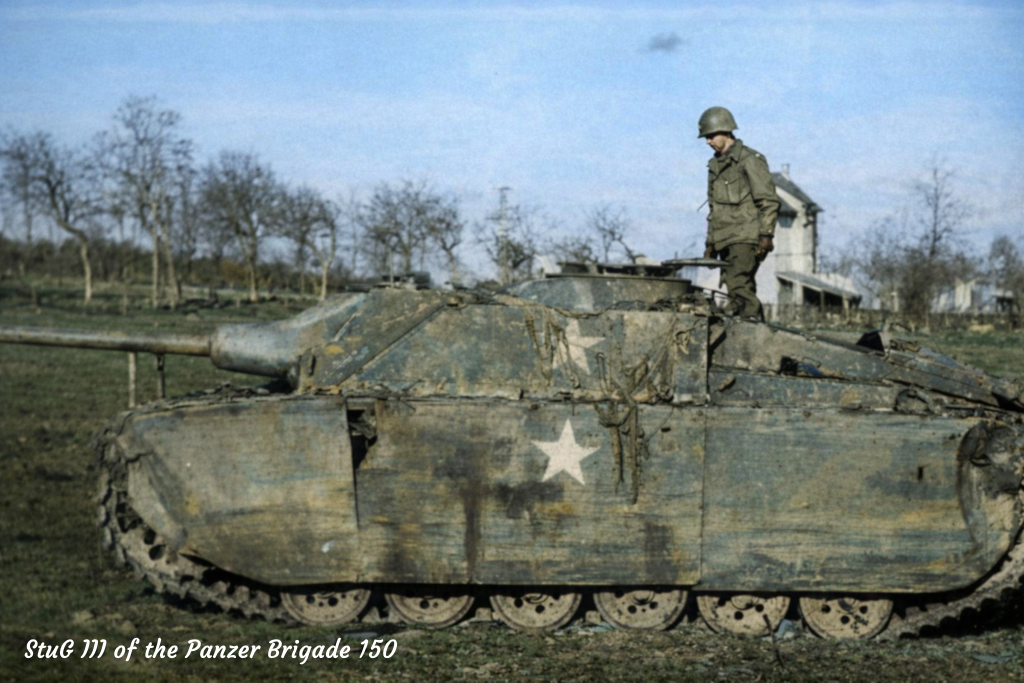
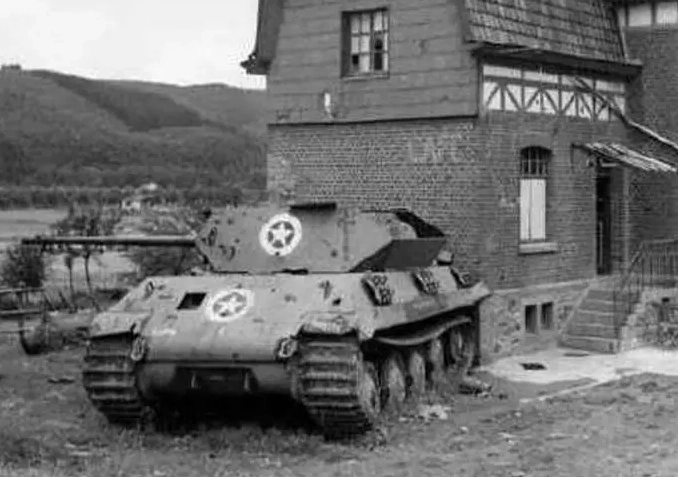
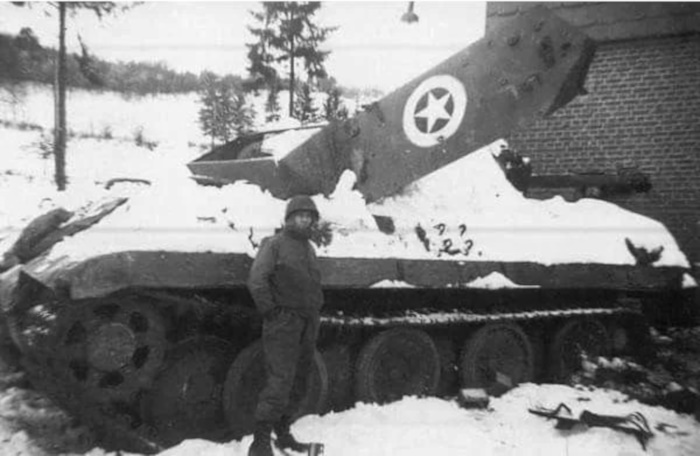
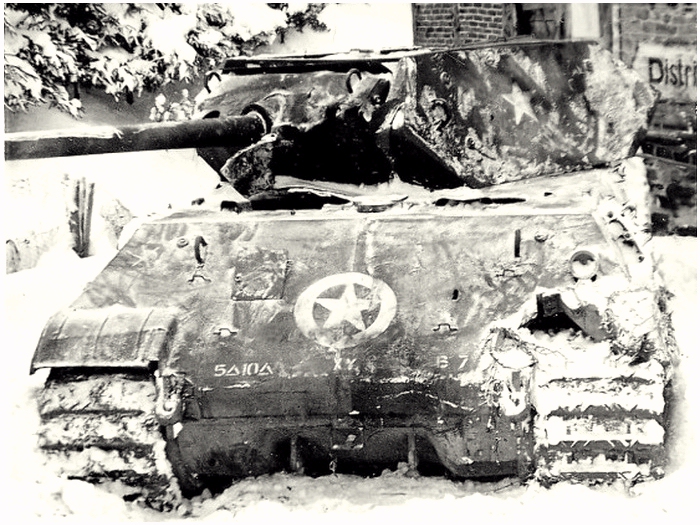
The armored component of the brigade, while conceptually linked to the infiltration effort, operated under its own constraints. The use of modified German tanks to simulate American vehicles was intended to facilitate penetration and exploitation, but the effectiveness of this deception depended on conditions that were not always present. Close observation, engagement at short range, and the familiarity of Allied troops with their own equipment reduced the likelihood of successful deception in many cases. Furthermore, the requirement to coordinate with other German units introduced additional complexity. The presence of disguised vehicles raised the risk of misidentification by friendly forces, necessitating the use of recognition signals that could themselves be compromised or misunderstood. Reports of identification methods, including the use of colored scarves and specific gestures, suggest an attempt to mitigate this risk, but also highlight the potential for confusion in a dynamic combat environment.
As Allied intelligence consolidated its understanding of the operation, the emphasis shifted toward systematic identification and neutralization of infiltration teams. Instructions issued at various levels stressed the importance of verifying identity through questioning and observation, and of reporting incidents involving disguised enemy personnel. The collection and analysis of documents, including rosters and identification papers, provided further insight into the structure and composition of the brigade. The accumulation of this information had a cumulative effect. By late December, the initial advantage of surprise had been replaced by a situation in which German deception was anticipated and countered. The ability of infiltration teams to operate undetected was significantly reduced, and the risk associated with such operations increased accordingly. The operational experience of Panzer-Brigade 150 thus illustrates both the potential and the limitations of deception-based warfare. The integration of linguistic skill, material disguise, and tactical initiative represented an innovative approach to overcoming the numerical and material superiority of Allied forces. However, the effectiveness of this approach was contingent on a range of factors, including the level of preparation, the cohesion of the units involved, and the ability to adapt to changing conditions.
In the case of the Ardennes offensive, these factors combined to produce an outcome that fell short of expectations. While the operation achieved a degree of initial disruption, it did not produce the sustained confusion or delay necessary to alter the course of the broader offensive. The rapid adaptation of Allied forces, combined with the inherent challenges of coordinating dispersed infiltration teams, limited the impact of the operation. At the same time, the operation had a lasting influence on both sides. For the German command, it demonstrated the possibilities and risks associated with unconventional tactics, and informed subsequent efforts to develop similar capabilities. The emergence of German personnel in American uniforms within the rear areas of Allied formations produced an immediate and far-reaching reaction that extended beyond the tactical level. What began as a localized concern rapidly evolved into a systemic problem affecting command, administration, and the handling of casualties. Intelligence reports from First US Army and subordinate corps headquarters indicate that, by December 21, the phenomenon was no longer regarded as isolated but as an organized and deliberate component of German operations. Initial field reactions were characterized by uncertainty. Reports from corps sectors describe encounters in which individuals speaking English, dressed in American uniforms, and operating American vehicles approached checkpoints or patrols without immediately arousing suspicion. In some instances, these individuals attempted to gather information, redirect traffic, or interfere with the movement of units. The realization that such encounters could involve enemy personnel forced a rapid reassessment of standard procedures.
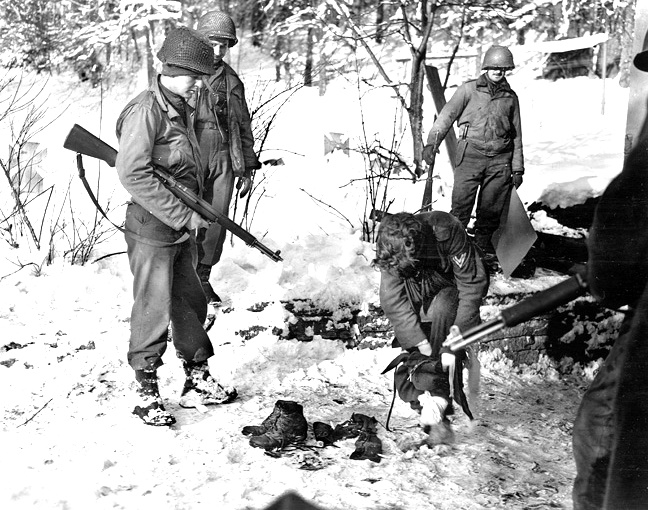
One of the earliest responses was the reinforcement of challenge and password systems. However, it quickly became apparent that reliance on passwords alone was insufficient, as infiltrators might obtain or approximate them through observation or interrogation. As a result, additional layers of verification were introduced. Soldiers were instructed to question individuals regarding unit affiliations, higher headquarters, insignia, and details of American life unlikely to be known to outsiders. Examples recorded in intelligence summaries include questions concerning postage rates, popular culture, and training locations within the United States. These measures, while improvised, proved effective in several documented cases. At the same time, attention was directed toward the identification of vehicles. Reports indicate that German forces were employing captured or modified American vehicles, including jeeps, reconnaissance cars, and, in some cases, armored vehicles. Specific markings, such as letters applied to hoods or windshields, were noted as possible indicators of enemy use, though their reliability varied. Units were instructed to halt and examine vehicles lacking proper identification or exhibiting irregularities, regardless of apparent affiliation.
The psychological impact of these developments was significant. Intelligence summaries emphasize the need to avoid panic, particularly in rear areas where the presence of disguised enemy personnel could lead to confusion and disruption disproportionate to their actual numbers. Commanders were reminded that the primary objective of such operations was to create uncertainty and to exploit the resulting hesitation. The emphasis on maintaining discipline and adhering to established procedures reflects an awareness of this dimension. Parallel to these tactical measures, a more structured response developed within the intelligence and administrative apparatus. By early January 1945, the problem of identification had extended to the handling of casualties. Reports noted that German soldiers killed while wearing American uniforms and identification could be mistaken for American personnel, leading to incorrect reporting of deaths and significant administrative complications. In extreme cases, this could result in an American prisoner of war being officially recorded as deceased, with corresponding notification to next of kin.
To address this issue, directives were issued at the level of First US Army, instructing units to take specific measures when encountering enemy dead in American uniform. These included exposing underlying German clothing, placing German helmets on the bodies where practicable, and ensuring that such cases were clearly marked and reported. Units responsible for evacuation and burial were to be informed, and detailed reports were to accompany the remains to graves registration points. These measures were designed to ensure accurate identification and to prevent the propagation of errors within the administrative system. The involvement of multiple agencies in this process underscores the complexity of the problem. Registrars of hospitals, medical battalions, prisoner-of-war interrogators, and intelligence officers were all directed to be alert to the possibility of deception. Particular emphasis was placed on the interrogation of captured personnel, with instructions to obtain information regarding aliases, sources of identification documents, and the organization of infiltration units. The collection of such information was to be reported through intelligence channels and disseminated as appropriate. The cumulative effect of these measures was a gradual normalization of the threat. What had initially been a source of confusion became an anticipated element of the operational environment. Units adapted their procedures, and the integration of intelligence into daily operations improved. Reports from early January indicate a higher rate of detection and a reduction in successful infiltration, suggesting that the countermeasures had achieved a degree of effectiveness.
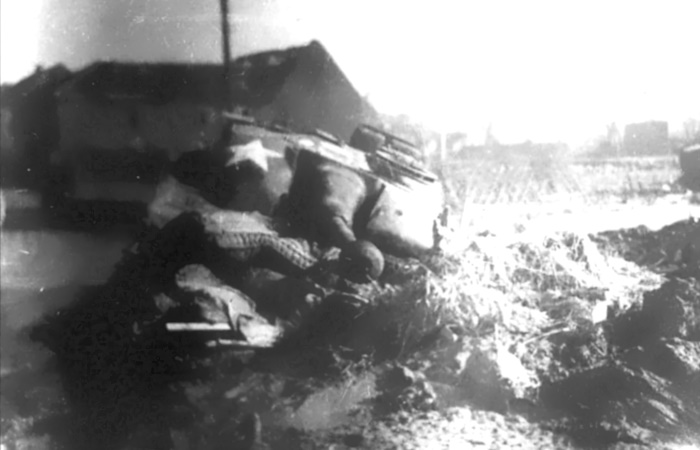
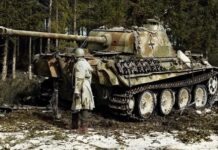
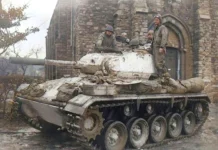
At the same time, the broader operational context influenced the perception and impact of German deception. The fighting in the Ardennes, particularly in sectors such as Stavelot and Stoumont, was intense and fluid, with rapid changes in control of terrain and frequent engagements between armored and infantry units. In this environment, the presence of disguised enemy personnel added complexity but did not fundamentally alter the course of operations. Allied forces, once alerted to the threat, were able to incorporate countermeasures without significant disruption to their overall effectiveness. The interaction between deception and conventional operations is particularly evident in reports concerning German armored activity. Instances in which German tanks attempted to simulate American vehicles or to exploit confusion through feigned withdrawal were noted, but their success appears to have been limited. The familiarity of Allied troops with their own equipment, combined with the conditions of close combat, reduced the effectiveness of such tactics. In several cases, suspected vehicles were engaged and destroyed before they could achieve their intended effect.
The role of intelligence in this process cannot be overstated. The rapid collection, analysis, and dissemination of information regarding German tactics enabled a coordinated response across multiple levels of command. This included not only formal reports but also informal communication between units, reflecting the importance of experience and observation in adapting to new threats. The incorporation of lessons learned into subsequent operations demonstrates a degree of flexibility that contributed to the overall resilience of Allied forces. From the perspective of Panzer-Brigade 150, these developments represented a progressive reduction in operational freedom. The increasing difficulty of operating undetected, combined with the risks associated with capture, limited the effectiveness of infiltration teams. Reports of early capture, failed missions, and the inability to achieve sustained disruption suggest that the initial advantages of the operation were short-lived.
By the end of December, the balance had shifted decisively. Allied forces had not only identified the nature of the threat but had developed and implemented effective countermeasures. The operation, while innovative in concept, was unable to adapt to this changing environment. The reliance on deception, which had been intended to compensate for other limitations, became less effective as awareness increased. The administrative response, particularly in relation to casualty identification, highlights the broader implications of the operation. The use of American uniforms and identification by German personnel blurred the distinction between combatants in a manner that had tangible consequences beyond the battlefield. The need to ensure accurate records, to prevent misidentification, and to manage the associated administrative processes reflects the complexity of modern warfare and the interconnected nature of its various components. In the final analysis, the reaction of Allied forces to the activities of Panzer-Brigade 150 demonstrates the capacity of a well-organized military system to absorb and respond to unexpected challenges. While the initial impact of the operation was disruptive, the combination of tactical adaptation, intelligence integration, and administrative measures ensured that its effects were contained and ultimately mitigated.
By the closing days of December 1944, the operational viability of Panzer-Brigade 150 had entered a decisive phase of decline. The cumulative effect of failed infiltrations, increasing Allied awareness, and the progressive stabilization of the front line imposed conditions under which the original concept of large-scale deception could no longer be sustained. Reports derived from prisoner interrogations, combined with field intelligence summaries, indicate that while elements of the brigade continued to operate, their activities were increasingly fragmented and reactive rather than coordinated and purposeful. The intended synchronization between infiltration units and armored spearheads had not been achieved to the degree anticipated during planning. Einheit Stielau detachments, designed to operate ahead of the main German advance, frequently found themselves isolated or unable to maintain contact with supporting elements. Mechanical failures, navigational errors, and the rapid identification of suspicious activity by Allied forces limited their ability to penetrate deeply into rear areas. In several documented cases, teams were intercepted within a short time of crossing the front line, often at checkpoints where procedural verification exposed inconsistencies in their cover. At the same time, the armored component of the brigade experienced significant constraints. Although elements associated with Panzer-Brigade 150 were present in sectors of active combat, including the area between Stavelot and Trois-Ponts, their contribution to the broader German offensive was limited. The presence of disguised vehicles did not produce the level of operational confusion required to facilitate a breakthrough. Instead, engagements in these sectors were determined primarily by conventional factors, including terrain, firepower, and the resilience of Allied defensive positions.
Interrogation reports suggest that only portions of the brigade were fully committed to combat operations. The division of the brigade into three combat teams, each with its own command structure, introduced additional complexity in coordination. While one combat team under Lt Col Wulf appears to have maintained a degree of cohesion, others operated under conditions that limited their effectiveness. References to personnel associated with SS units, including those linked to the 1st SS Panzer Division, indicate overlap in command relationships that may have further complicated operational control. Statements attributed to captured personnel provide insight into the internal perception of the operation’s progress. Reports indicate that participants were aware of the limited success of their mission and, in some cases, attributed this to the compromise of operational plans. The capture of German orders by Allied units, including documents detailing routes and recognition signals, is cited as a factor contributing to the rapid dissemination of information and the effectiveness of Allied countermeasures. Whether this assessment reflects the actual cause of failure or serves as a post hoc explanation, it underscores the importance of operational security in the execution of deception-based operations.
The period between late December and early January saw a gradual withdrawal and regrouping of brigade elements. Reports indicate that supply trains and logistical support were concentrated in rear areas, including locations in the vicinity of Blankenheim, while combat elements were repositioned or withdrawn from forward sectors. Movement by rail from assembly points near Cologne-Wahn back to training areas such as Grafenwöhr is documented, with multiple transports carrying both personnel and equipment. Observations of American vehicles, including jeeps and trucks, being loaded onto trains suggest the systematic recovery of material used in the operation. Upon return to rear areas, the process of dismantling the brigade began. Personnel were required to surrender American uniforms, equipment, and documentation, effectively ending the capability for further operations of this type within the existing organizational framework. The absence of formal ceremonies or expressions of success, as noted in interrogation reports, reflects the perception of the operation as unsuccessful. Instead, attention turned toward the reassignment of personnel and the potential formation of new units under SS auspices.
The official dissolution of Panzer-Brigade 150 on January 17, 1945, marked the formal conclusion of the unit’s existence. Orders issued under the authority of Lt Col Wulf directed the disbandment of the brigade and the redistribution of its personnel. While some individuals volunteered for further service in special formations, including units associated with SS Jagdverbände, the majority were reassigned to other roles within the German military structure. The concept of infiltration and deception, however, was not abandoned entirely, as evidenced by references to the potential use of similar units in future operations, including those envisaged in the context of post-occupation scenarios. The final phase of the brigade’s existence thus reflects a transition from active operation to administrative resolution. The systematic collection of equipment, reassignment of personnel, and closure of command structures indicate a controlled process of disbandment rather than a collapse under combat conditions. This distinction is important in understanding the nature of the operation and its conclusion. While the brigade did not achieve its intended objectives, it remained sufficiently intact to be reorganized and absorbed into other elements of the German military apparatus.
From an analytical perspective, the experience of Panzer-Brigade 150 highlights several key factors relevant to the conduct of deception-based operations. The reliance on specialized skills, particularly linguistic ability, limited the scale at which such operations could be conducted. The integration of deception with conventional operations required a level of coordination that proved difficult to achieve under the conditions of the Ardennes offensive. The rapid adaptation of Allied forces, facilitated by effective intelligence processes, further reduced the window of opportunity for successful execution. At the same time, the operation demonstrated the potential impact of even limited infiltration on the perception and behavior of opposing forces. The need to implement verification procedures, the increased caution in handling personnel and vehicles, and the administrative measures required to address issues of identification all reflect the broader influence of the operation beyond its immediate tactical results. In this sense, Panzer-Brigade 150 achieved a degree of effect disproportionate to its size, even if it failed to alter the outcome of the offensive.
The dissolution of the brigade does not, therefore, represent a simple failure but rather the conclusion of an experiment in the application of deception at the operational level. The lessons derived from this experience, both by German and Allied forces, contributed to the evolving understanding of unconventional warfare within the context of modern conflict.