


October 21 (Sunday). Went to the 60th anniversary of the American Church in the rue de Berri. Dr. Goodrich spoke, also a Prof. Baldwin who took the place of Ambassador Sharp who sent a letter. Ten years ago, I attended the 50th anniversary, with Dr. Goodrich as pastor and Dr. Thurber over from the US to assist. Lunched at the Hotel Campbell with Dr. Guthrie, a clergyman from Boston who has been working with the American Field Service while on a six months leave from his church. At the office all afternoon, John Black, and Dr. Guthrie, to dinner. Gene Reed and his wife arrived late – had been out to the LaFayette Squadron.
October 22 (Monday). Left at 1630 for Compiègne – ran into heavy fog outside Paris and after stumbling along with poor lights finally joined in behind two cars carrying Gen Pershing and staff. Reached Compiègne 1930 – on to Soissons – arriving at midnight, managed after pounding on the door for a while, to rouse the landlady. She gave me a room on the street with no window panes – glass had been blown out of the entire building by a shell. The hotel looked pretty well shot up.
October 23 (Tuesday). Out to Vauxbuin where Maj Gérard and Maj Montcabrier were at breakfast. Reports by phone started coming at 0615 from a big local attack that had started at 0515. I stayed at the French Air HQs all morning, except for a short run out to the French Corps HQs to see telephone service in operation. Reports came in continuously by radio from the aïrplanes and by phone from land observing stations. I was to have been taken up in an airplane from St Armand to see the attack, but the morning was hazy with low-lying clouds which forced the airplanes to fly at 50 or 100 meters to see, and they would not send me up under the circumstances. Between nine and ten, the rain started and the aïrplanes had to give ît up. One balloon had gone up at 0300 and reported hostile flashes, but had to come down at daylight when the clouds and mist made the visibility null (sic).
As the airplane reports came in by radio they were decoded by the officers at headquarters, the results noted on the battle map laid out on the table. Then Maj Gérard phoned the dope to the Chief of Staff of the French 6th Army HQs. Reports would come in saying ‘Friendly troops at G10 Y54,’ or ‘Six tanks at such and such a place’, or ‘Battalion Headquarters at …’ Each Division had its own airplane with which it kept up communication. Col Duval from Air HQs, GHQ came over for lunch and to see how everything was going. I saw two groups of Boche prisoners come in – one had several wounded men – they all 1ooked pretty much the worse for wear – dirty, muddy, tramping along in the rain. There were more young boys of 19 or 20 than among the prisoners taken by the British. I stopped at Mlle. St Paul’s Hospital before leaving. She came out of the operating room in her uniform – the hospital was filled up with wounded. Back to Compiègne to see Frank for a minute, then on to Paris. The attack was a great success – 7500 prisoners, 25 guns, and an advance of about 3 kilometers.

October 24 (Wednesday). In the office, starting its organization, up to 11. Then took the noon train to Chalons – met by Capt Mondin from Vadenay. He took me to HQs French 4th Army where I met Commandant Boret and Capt Néant, the latter being the Air Commander of the 4th Army. Maj Saconney is away from Vadenay until tomorrow. Walked around Chalons with Boret and Mondin. The city looks very peaceful, but the guns at the front, 20 kilometers away, can be plainly heard. Am pretty comfortably installed in the hotel, but the steam heat is not yet turned on and the only fire is in a small stove in the office. Met Maj Gen H. Jardine Hallowes, Britisher, representing the Red Cross. He is 78 years old and has 63 years of service, including India, Canada, Jamaica.
October 25 (Thursday). The machine came at 0800 and took me to Vadenay, about 25 Kilometers. I spent the morning going over the course of balloon instruction. Commandants Delassus, Saconney, and Capt Yon came in the afternoon and we had a conference on establishing our own balloon school at Vadenay-Cuperly. At the hotel, I met Gen Strong with his Chief of Staff. On an inspection trip and going back to the States to his division which is organizing at Linda Vista near San Diego.
October 27 (Saturday). At Vadenay School yesterday and today going over the course and looked into the site and installation of our own School. When I went out this morning, there were a dozen balloons in the air to the north, some of them Boche, some French. The line is one a dozen kilometers north of the School. Came in at 1400, and stopped to say Au Revoir to Capt Néant. My driver friend who had a restaurant in London for 10 years before the war, took me to the 1244 train. Arrived Chaumont 2030, tramped up to the Hotel de France with my suitcase in the rain. They put me into a miserable little cubby hole but later discovered that they had a good room reserved for me.
October 28 (Sunday). At the office all day. Lovell of the Lafayette Squadron is now here attached to the French mission while waiting for the transfer of the squadron to the US Air Service. Went over the whole balloon situation with Capt Yon in the morning. Dined with Gen Rogers at Q.M. Mess.
October 29 (Monday). Busy at HQs all day. Discovered a telegram on October 5 from Col Bolling to Washington asking to have 8 balloon companies sent at once. They may be here now! Train for Paris with Milling and East (Col Wallace on the train).
October 30 (Tuesday). Long talk with Col Bolling about the organization of the office, There îs a Balloon Department! tho’ they had an idea it could be run under the various departments already in existence. Got a recruit for the balloon service in France – transferred from the Estimates Department, so including the French stenographer, there are now three persons in France to represent the lighter-than-air service, with perhaps 64 officers and 1600 men on their way from the US and no one to look out for them except the newly organizing division.
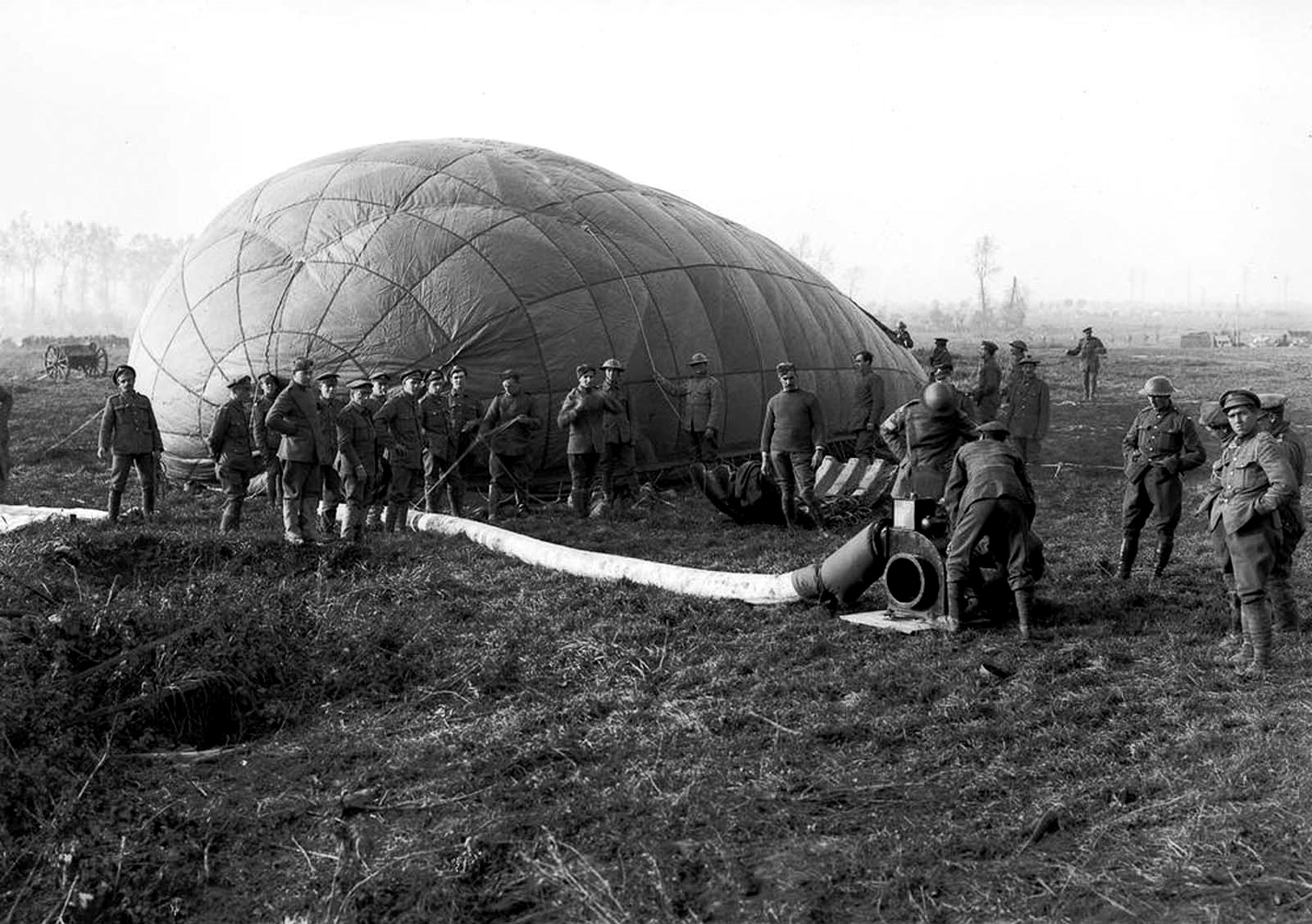
October 31 (Wednesday) November 1 (Thursday). Organizing Department. Gen Pershing with Gen Harbord, Kenly – also Mitchell, Churchill, etc. Gen Pershing inspects the building. Col Fiebeger and Col Stuart are in town.
November 2 (Friday). Mr. and Mrs. Chew at lunch – both have been driving ambulances – he takes an exam for commission. Mr. Wayne Parker of New Jersey (brother of Gen Parker), Mr. Dill of Washington State, on Congressional Committee, here investigating the war. Bowditch was at 45 Avenue de Montaigne today – he is a major in the 301st Infantry, the first regiment of the National Army.
November 4 (Sunday). Lunched with the Janets. He is the same Janets ‘critique comme toujours’ (critical as always). Took Huntington Harter to hear ‘Mignon’ at the Opera-Comique.
November 5 (Monday). Busy, very busy at the office.
November 6 (Tuesday). Huntington and Mrs. Theodore Roosevelt, Jr. at luncheon. She is a very active Y.M.C.A. worker.
November 7 (Wednesday). Col Walker, into lunch today; also Frank who arrived at 0200 after a 3-hour auto run from Amiens, where he left his party of Congressmen. Confab this morning with Dodd on Vadenay plans and supply.
November 9 (Friday). Chapman lunched with me today. He is disbursing officer but has hopes of being relieved and going to active duty flying again. Accumulated two more ambulance men today, De Bow and Eaton, to work on the Supply end of the Balloon Service. Latter is a Harvard man 38 years old. With Mr. Lamb, 18 yrs. old, this makes 3 on this work.
November 12 (Monday). Three additions to supply service now raise that to six. Lt Bérard is back today but does not come for duty until properly
assigned by the French Government.
November 15 (Thursday). Foulois and Rusty Burtt came in today. He landed yesterday. Said Chandler and Jouett came on the boat with them. To Chalais-Meudon this afternoon to see about the material. A lieutenant showed me a German kite balloon and equipment recently landed in the French lines – also one of the cotton goldbeater skin balloon envelopes out of one of the recently captured Zeppelins. To Aero Club dinner. Sat between Maj Forrest from Chalais and Capt Personne of a Bombardment Squadron. Mr. Henri Deutsch de la Meurthe presided – about, 200 guests. Col Duval from Compiègne, Lt Col Richard from Chalais, Mélandri without a beard – I would not have known him, Sidney Veit and Mr. Ware of the Aero Club committee, Mallett, Blanchet, Leblanc, Lt Hamilton an American in the French Aîr Service, Kapferer.
Aero Club medals were presented after dinner, with an appropriate speech by Mr. Deutsch. Capt Personne was the first called up. Moving pictures of war air scenes to end up with. One very good one was taken from the car of a Caquot in the air and shows a man observing in the second car.

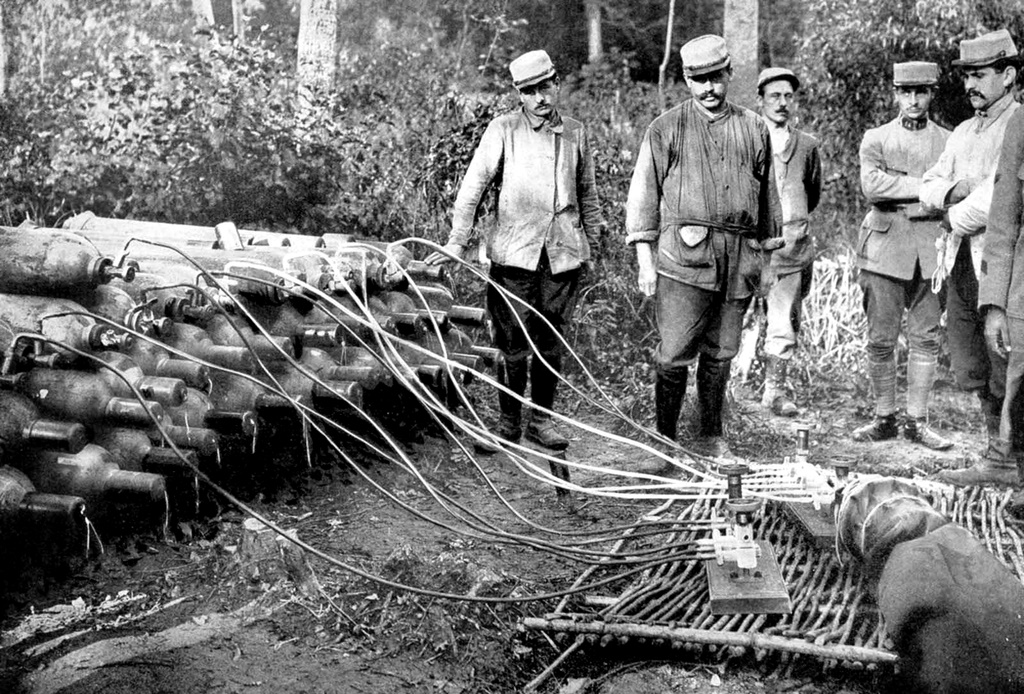
November 17 (Saturday). A middle-aged man today (Lahm 40th birthday) but I must admit I don’t feel ît – perhaps not as much as I should. To Chaumont. I saw Gen Kenly in the afternoon – he showed me a proposed cable he had turned in to HQ AEF just a month ago, recommending very strongly that I will be kept over here (Lahm was kept in France as representative of the Balloon Setion GHQ AEF Chaumont, but Col Charles DeF Chandler would succeed him as head of the AEF Balloon Section Paris). It was returned to him yesterday ‘Unsent’. I don’t know why, nor does he. Dined at the Hotel de France with Bill Read, two newspapermen, Johnson of the New York Sun and Pattullo, the Saturday Evening Post man – also Woody (R.E. Wood), whom I found in the hotel and who is now a transportation man in the Coordination Section of HQs.
November 18 (Sunday). Left at 0750 in motor for Toul, going thru Neufchateau with its American division, Colombey where they are just starting an airplane center. Capt Repoux, aérostier (Balloonist) adjoint (balloon observation officer) of the 8th Army, met me at the HQs of the Commandant de Place. We went thru the Aérostation center at Toul. This is a great find – a large hangar, quarters for C.0., machine shops, storehouses, a gas plant, etc. We are in luck. The only thing to provide is quarters. Temporary provision can be made for 1600 men, but the casemates of an old fort on the edge of town look pretty bad. There is room for 200 men, but Moroccan troops have been quartered there and it does not 1ook good to me.
Toul is a good-looking town filled up with soldiers. The regimental band was playing in the plaza – it was a gay-looking scene. The cathedral looked interesting from a distance – I hope to visit it sometime. Toul is surrounded by a wall and a moat – it is one of the 4 fortresses on the eastern frontier. Gen Rogers în Paris.
November 20 (Tuesday). Big luncheon at the Chateau. All French air liaison officers were present. De la Vaulx, Armengaud, etc. etc.
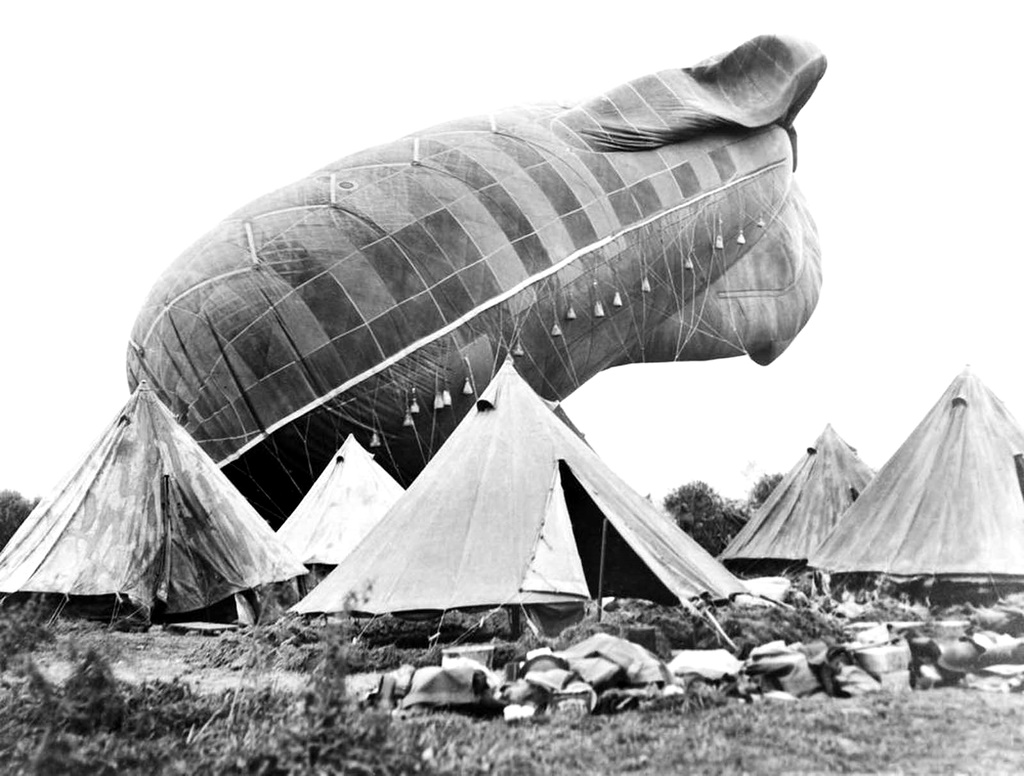
November 22 (Thursday). Came to Paris last night on a phone appeal from Chandler who arrived last Sunday. Met him and his assistant Jouett. Talked the situation over with him all day. His information about the arrival of Balloon Companies is no better than mine. Everyone is marking time here waiting for Foulois to settle his new organization with Gen Pershing. Capt Marie came în with his son to call. Took C. to the apartment and properly introduced him to Emma and the concierge. He will move in, in the morning. My sister and I had our birthday present tonight.
November 23 (Friday). Back to Chaumont. Met a captain of one of our Railroads engineer regiments coming from his right near St Quentin, where he saw Something of the British tank and cavalry drive, going to Langres (site of several AEF schools) as an instructor. He is a professor of geology at Yale when he is at home.
November 24 (Saturday). The conference at Toul was declared off – so the French will not be there. They did not receive the written proposition at Compiègne. It takes time to do business in this country. Phil Corbusier was at the hotel last night. Heinie Mitchell; McGuire in the 3rd Cavalry – on remount duty – all dined together. Am spending the day running down Vadenay and Toul propositions, or rather following them up. (Chandler had been put in charge of the Balloon Section Air Service, located in Paris. Jouett was his Assistant. Gen Foulois had arrived in France with orders which appointed him head of Air Service, AEF. Gen Pershing had no choice but to relieve Gen Kenly and put Foulois in charge. Lahm had recommended that a balloon school be established at Cuper1y, adjacent to Vadenay; this was done. He also recommended that a balloon personnel depot be set up at Toul. This was not approved by GHQ. Officers on the staff of Gen Foulois, who became Chief of Air Service AEF, on November 27, succeeding Gen Kenly. Billy Mitchell was scheduled to continue as Aîr Commander, Zone of Advance until an indefinite future date at which time he would become Commander, Aîr Service, First Army Corps).
November 25 (Sunday). Took a long walk with Barber down the hill into the valley and along the picturesque canal, which even this late in the year is pretty. Found an artillery battery of 155-MM longs at the back gates; the sentinel, a very intelligent private knew all about them and was able to give us a very interesting lecture. Sat with Col Whitehead, Col Eskridge, and Col Van Horn at dinner. To bed soon after as that is the most comfortable place to read and keep warm.
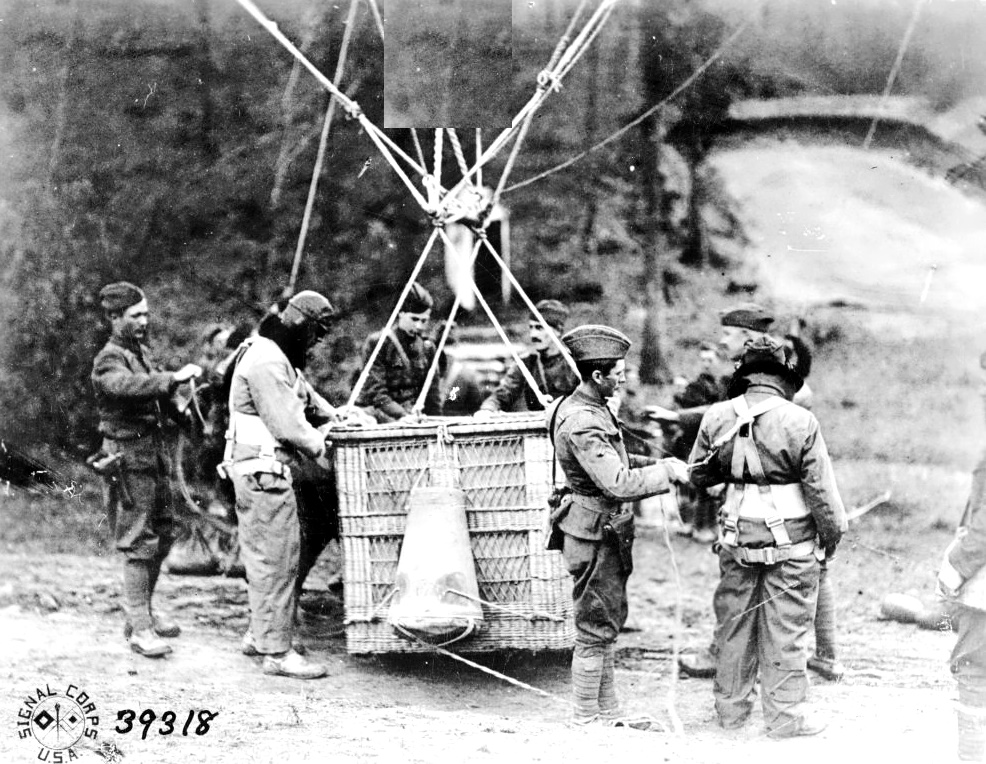
November 26 (Monday). Light snow is falling this morning and the thermometer in my room shows 8°C – that is about 46°F. Foulois came today with Rusty Burtt, his chief-of-staff.
November 28 (Wednesday). With Lt Flake, in auto to Chalons. Capt Steever with two assistants arrived from Paris at about 1200. Went to the School and picked up Capt Mondin – had a conference at our site where the French have already done some work on roads, water systems, and lights. Stopped at Vitry-le-Francois and met Maj Peck, Engineers, on forestry duty 1ooking for lumber. Arrived at Chaumont at 2300, a very comfortable trip, via St Dizier. Near Vitry I saw many graves.
November 29 (Thursday). Thanksgiving. Had a very enjoyable Turkey dinner with all the proper adjuncts, at the Chateau at 0100, Gen Hunter Liggett, Gen Foulois, Eskridge, Whitehead, Page, Dodd, Harmon, Gorrell, Boisrouvrain. Page cooked the dinner and it could not have been better. Boisrouvrain played all the latest ragtime after dinner – with proper voice accompaniment from the rest.
December 1 (Saturday). I was awakened at 0230 this morning by two men who ran by the hotel, calling ‘Au Feu’, (fire), ‘Au Feu’. Sure enough there ît was, apparently just down the street a short distance. Smoke and sparks were coming across the top of the fourth or fifth house from the hotel. Next came some of the neighbors – one old woman, slipping her shawl over her head, was particularly verbose with her ‘Hélas’, (Alas), ‘Mon Dieu: Les Pauvres Enfants!’ (My God the poor children), etc. Then came the drummer, up and down the street beating the alarm – which he kept up for half an hour. Then a Red Cross ambulance, a detachment of our troops, and all the time, the crowd of natives passing – exclaiming, questioning. All the windows in the street had enquirer’s heads out. There was probably a fire department, but I did not see or hear it. At about four o’clock all had quieted down and everyone was gone. Today I heard a school near the station, burned. It was as interesting as a bombing raid, almost. Ran across Jim Shannon and Peter Bowditch today – both here on the Gen Staff – or attached to it. Hood and Shannon dined with me this evening. Beverly Browne is in town from Valdahon. (The Valdahon, was the location of the AEF Artillery School and Artillery Aerial Observation Training Center).
December 2 (Sunday). Wood, Birnie, and I came to Paris tonight – found an aviation car to take us to our various stopping places. My room at the Hotel Roosevelt was waiting for me.
December 3 (Monday). Spent the morning at Avenue de Montaigne. Chandler just getting over ptomaine. Not feeling very lively; after lunch, I went to bed.
December 4 (Tuesday). Still in bed and feeling punk. Chandler dropped in – said he would send the attending Surgeon. Dr. Musgrave showed up at about 1500, and after telling me I had a fever, recommended the hospital. So we made up a party of three, including Katherine who was outspoken in her disgust, and came to Dr. Biake’s at the American Red Cross hospital, rue Piccini, where after some half hour’s delay, they decided they had a bed for me. Dr. Blake is a New Yorker of some reputation who has had a hospital at Anger; Katherine was under him at the American Ambulance, and now he has this 400-bed hospital. It has a number of French wounded but is now the receiving hospital for sick American officers and soldiers in Paris. I find I am only one of a large number of grippe patients – it is a popular malady these days.

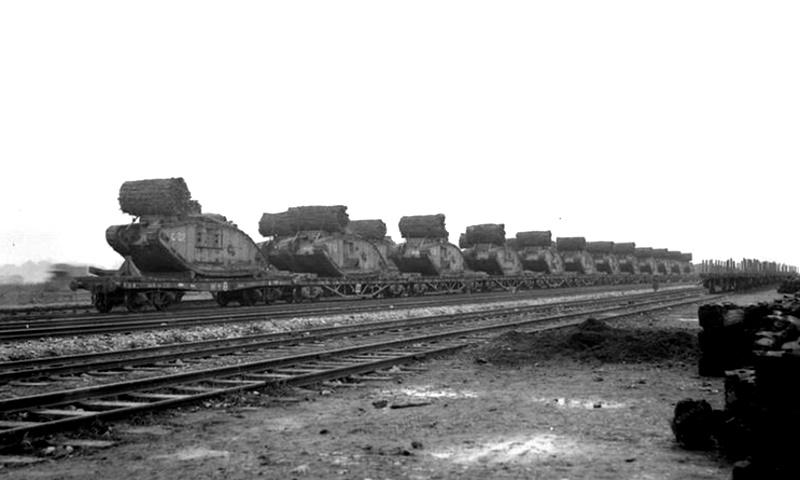
December 5 (Wednesday). Still feels like devouring fish hooks every time I swallow. No heat to speak of in the hospital, and a period of freezing weather has struck Paris, so I remain obediently and very willingly in bed. Frank dropped in today, enthusiastic over the tanks. He has been on a visit to the near Cambrai. Says there were 320 combatants, 100 non-combattant, in the battle – 30 tons, all. Started from 1000 yards behind the line with artillery and smoke barrages to cover them, infantry waves following comparatively closely behind. They worked in teams of 3 at 300 yards intervals. One tank took the barbed wire, the second the front trench and the third tried to go on and get the communication trenches. They actually got through some 5 miles, that is, passed all the German trenches. The British hoped to break entirely through and catch the Germans in the open. I don’t see yet where they fell down.
(Although the British had put a few tanks into action in the Somme sector on September 15, 1916, their employment in the Battle of Cambrai, November 20 – December 7, marked the first large-scale use of this new weapon. Their unexpected appearance caught the Germans completely by surprise and might have resulted in a major German catastrophe. Unfortunately, the attack had been planned on far too limited a scale, and the initial success, great as it was, fell short of what was necessary for a complete victory; most of the gains were lost to a strong enemy counterattack).
December 6 (Thursday). Katherine comes in to see me every day. Jouett and Bérard were in today.
December 7 (Friday). Mr. G. F. Campbell-Wood came in today – he wants to join the aîr service so I sent him to Chandler. He is a French citizen and doing his service in the ambulance service, near Soissons just now, – his parents were both English – he has lived 15 years in America. Jouett came in this afternoon. The head nurse told me some of the interesting histories of this place today. I am in an annex of the hospital – this part formerly belonged to a noted French doctor who died a couple of years ago. A chapel in the basement had a beautifully arranged trap door in front of the altar. After the final services, the body would be lowered out of sight through the door, presumably to be placed in the hearse, instead, it would be removed from the coffin, a dummy put in and the real body kept for dissection or other scientific purposes. Have wasted nearly all day today, reading ‘In the Courts of Memory’ by Lillie De Hegermann-Lindencrone, or Lily Moulton, the singer, as she was known over 40 years ago.
December 9 (Sunday). I said my Au Revoir to the hospital and returned to the Hotel Roosevelt.
December 10 (Monday). Conference with Chandler all days on balloon situation. Cable says 4 Companies with a total of 27 off, and 400 men, on their way since December 4.
December 11 (Tuesday). Christmas shopping with Katherine in the morning.
December 12 (Wednesday). 0800 train for Chaumont. Quekemeyer on the train. His description of the tank battle at Cambrai indicates that it just missed being a great victory. The tanks took their objectives and advanced some 5 miles, but were only 1ightly supported by infantry, and while he says apparently the cavalry could have gone forward to the support, the order was never given, consequently when the powerful German counterattack was launched, it pushed them back and caused the 1oss of about 2/3 of what was taken în the original tank advance.
(Today, Gen Foulois, who had succeeded Gen Kenly as Chief of Air Service AEF, put his new organization into effect. Eight new sections, each headed by an Assistant Chief of Air Service were established. Billy Mitchell continued as air commander, Zone of Advance – but only one combat unit, Royce’s 1st Aero Squadron, was in the Zone of Advance).

