

Equipment
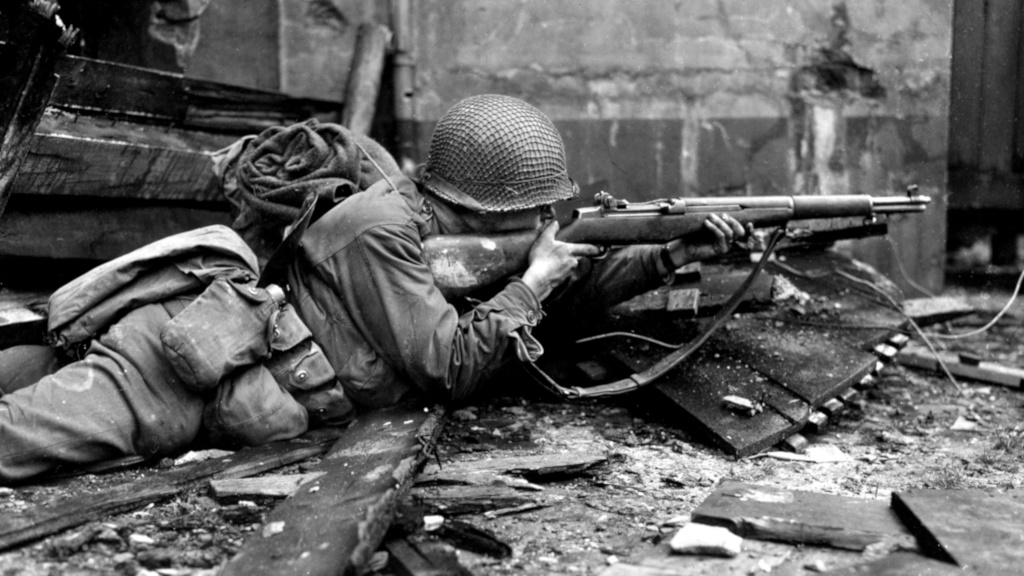
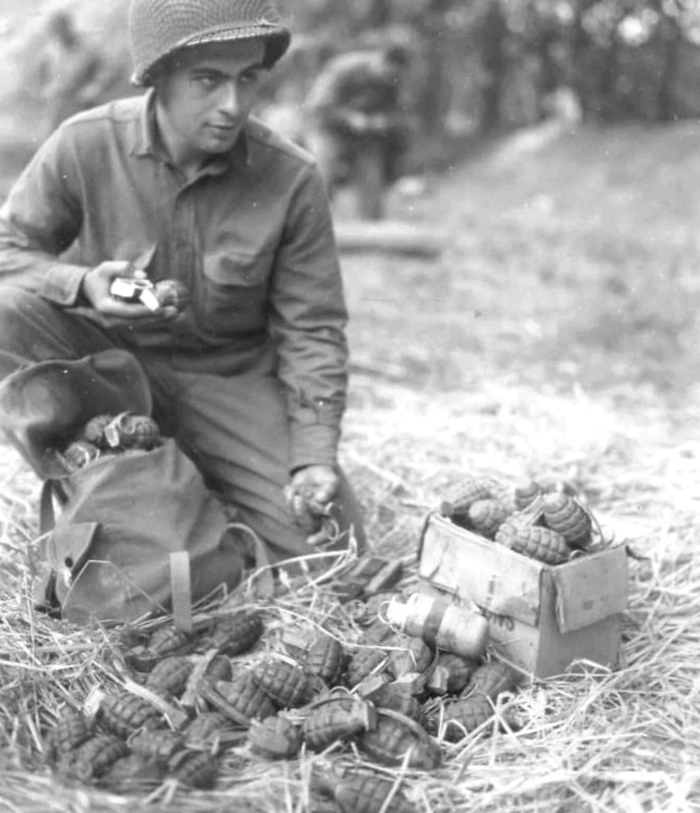
The three platoons would carry full automatic weapons, and the weapons platoon would carry M-1 rifles only. One 2.36″ rocket launcher would be carried by the lead platoon for anti-tank protection in town. Each man would carry at least two offensive-type hand grenades. A three-inch white ball would be painted on the back of each helmet to serve as a distinctive marking. All personal effects would be left behind; the only identification would be dog tags.
 Time of Attack
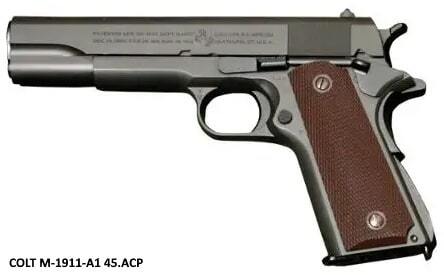
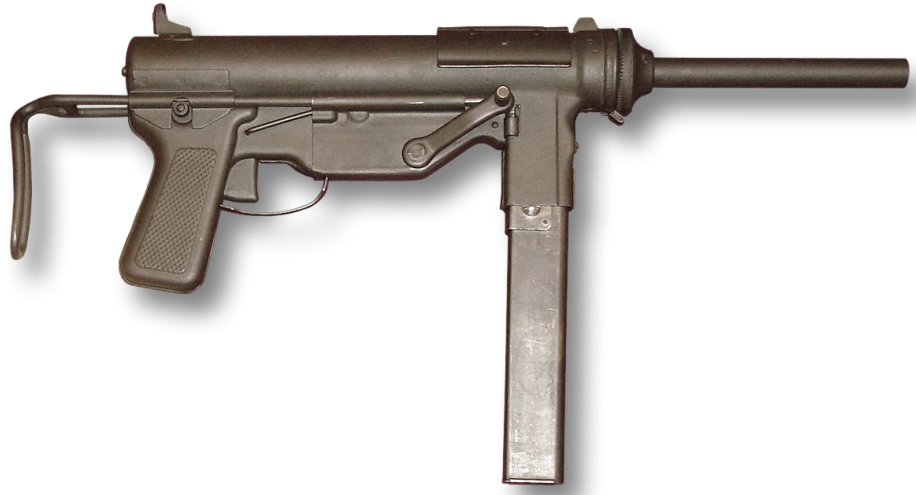
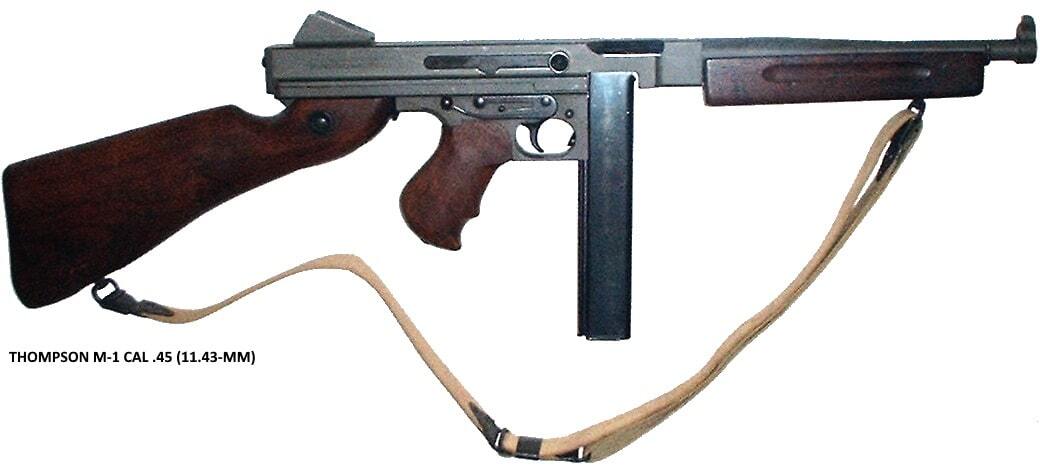
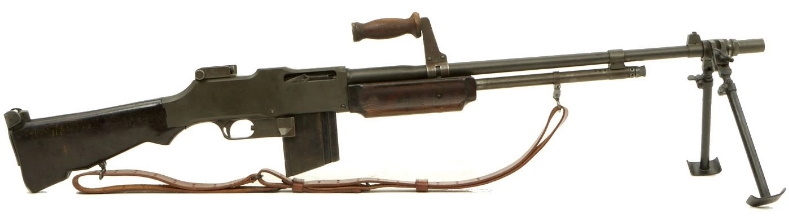
The company would pass through the outpost at 0100 hours and plan to hit the town at 0300 hours. The company commander felt that 0300 would be the best time, as he could take advantage of the early-morning ground fog that hung over the area at this time of year. Also, it was the latest he could hit the town and reasonably expect to rally his company at the outpost before daylight. The battalion commander voiced approval, and his staff immediately began implementation of the plan. Automatic weapons were borrowed from the other companies in the battalion and a tank battalion, which was attached to the division. These weapons consisted of Cal. .45, M-3 submachine guns, Thompson submachine guns, and Browning automatic rifles. (It is worth noting here that the present issue M-2 carbine could be substituted for the submachine guns in this type of operation – to gain increased firepower at close range – this increase being highly desirable.)
The battalion communications office accomplished the necessary coordination of communications, according to the approved plan, and additional wire was issued to the company. The artillery forward observer coordinated the artillery fire plan with the fire direction center. The regimental S-3 effected the necessary coordination for illumination. At 1400 hours on February 7, the company commander assembled the four platoon leaders, the company executive officer, the artillery forward observer, and the communications sergeant at the company command post. With the aid of a blackboard and the aerial photo of the town, the commander issued his order in every detail, designating responsibility of each unit for a portion of the objective. It is not necessary here to go into the details of the order, as it followed the plan as already outlined. He emphasized the following points: hold fire until fired on; return the initial burst of enemy fire and continue to advance at a walk; freeze in place if illumination flares are fired by the enemy. All men would be checked for colds and loose equipment, and all personal effects and identification, other than dog tags and distinctive markings, would be left behind. Platoon leaders would tell their men ‘that they were in for a fight’, but, by observing all orders, the odds for success would be improved.
The company was at 80% strength (23), approximately 190 men. Replacements had arrived during the day, but the decision was made to leave them behind on this raid. Platoon leaders returned to their units and issued the platoon orders. Automatic weapons, ammunition, and grenades were issued. A hot meal was fed, and the remaining time was spent in checking weapons and getting as much rest as possible.
 At approximately 2200 hours, the company was formed. Last-minute checks were made, and the men loaded on 2.5 ton trucks and headed for the front. At the de-trucking point, the company was met by the regimental commander, who accompanied them to the outpost. His presence seemed to give an added importance to the operation. The night was inky black, and the temperature was a little high, about 40 degrees, for this time of year. A general thawing condition was taking place, leaving the terrain damp and muddy. A light ground fog hung in the area. Except for the normal harassing fires, the area was quiet. The company commander checked in at the outpost for a last-minute briefing on the situation. Artillery and searchlight units were alerted, and the company moved through the outpost and down the river at 0100 hours.
Everything was going according to plan
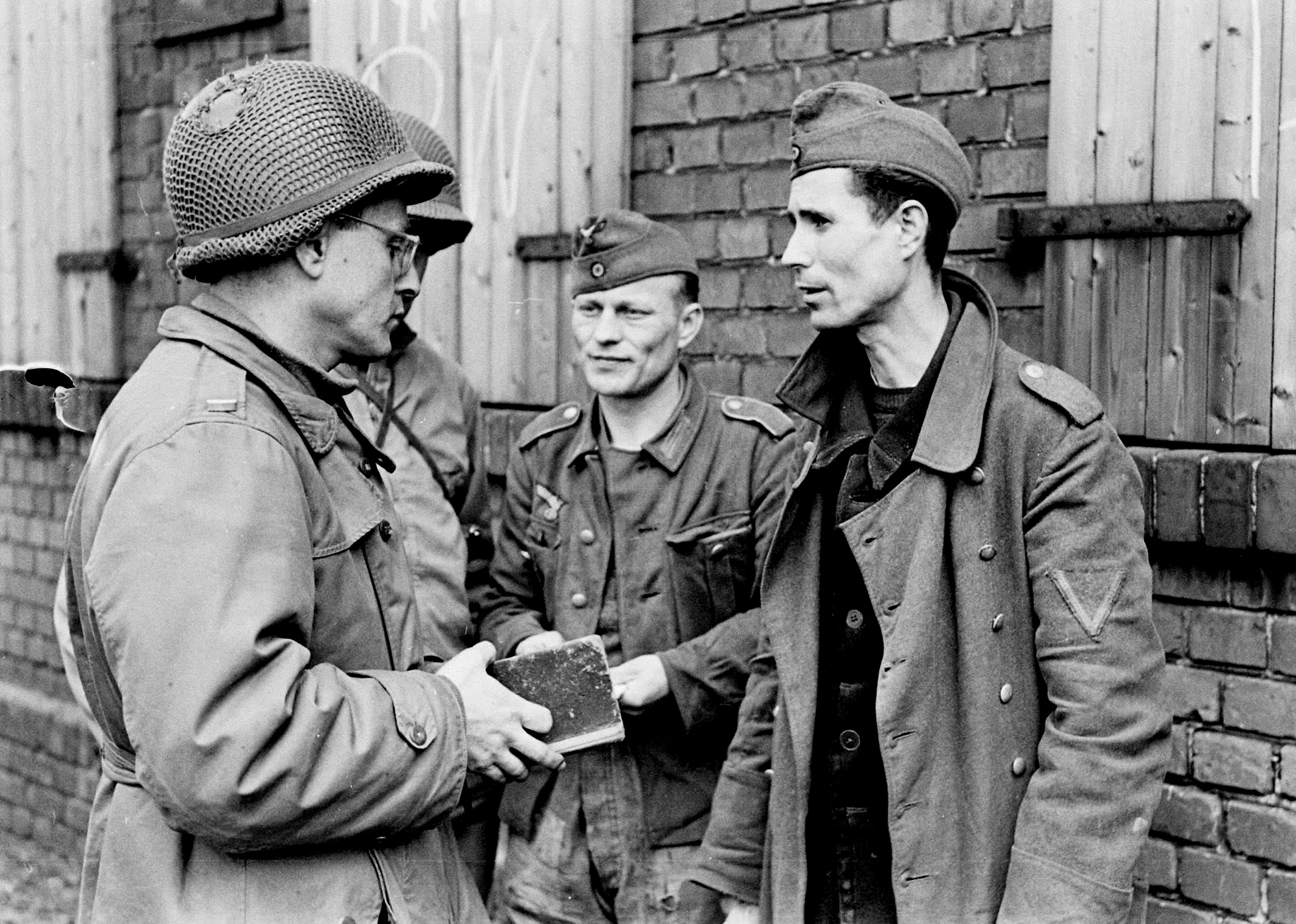
Approximately 200 yards from the outpost, a four-man patrol literally bumped into the center of the leading platoon. Taken completely by surprise, and seeing themselves outnumbered, the patrol surrendered and was escorted to the outpost. Intercepting this patrol was definitely a piece of luck. It was apparent that the men realized the necessity for silence, which had been impressed upon them in the order. The company continued to advance. Progress was slow, as the men tried to keep their place in line and maintain direction forward.
At 0225, direction became doubtful. The company commander, to reassure himself on direction, requested one round of artillery on concentrations one and four to mark the ends of the town. Communications were working, and the rounds were on the way with practically no delay. From the two bursts, visible through the fog, it was determined that the direction was correct and that the town lay some 300 yards ahead. A round of artillery observed on a known point is a rapid means of orientation during night operations – a fact that is well to bear in mind. At this point, with everyone reassured by the success enjoyed so far, the tempo of the attack was stepped up. Approximately 150 yards from town, the skirmish line rolled in on the center platoon; the remaining distance was covered in column of platoons. As the lead platoon entered the town, the enemy line opened up with heavy small arms fire. The fire was too late, however, and the assault platoons were through the break and into town before serious damage could be done to them.
Artificial moonlight was called for and turned on at once, as though the company commander had thrown a switch as he gave the order. Artillery fire immediately followed the illumination, isolating the east end of town. The effect of good planning could now be seen. Fire from enemy mortars and a high-velocity gun at the east end of town began to take its toll on the support platoon deployed at the gap. The muzzle flashes from these weapons were picked up by observers on the main line of resistance, however, and quickly silenced by the regimental cannon company.
Fourteen minutes after the assault wave had entered town, eleven prisoners were returned to the weapons platoon. The company commander immediately gave the signal to withdraw. Word was given to the artillery to continue fire on the east end of town and, in five minutes, to lay down the planned fires for the withdrawal. Men moved to the rear in small groups, carrying the wounded. Artillery and cannon fire came in on schedule and served their purpose well. The enemy made no attempt to follow up, and only a few scattered shots were fired in pursuit. Litter teams started forward from the outpost to claim the wounded, who were given emergency treatment at the outpost and evacuated to the rear on jeep ambulances.
What were the results? Well, not too gratifying at first glance: 9 prisoners were taken (not counting the patrol); an unknown number of automatic weapons were silenced; and an unknown number of the enemy were killed or wounded. Casualties sustained by George Company: 1 KIA, 6 MIA, 18 WIA, including two officers. Of the wounded, four were returned to duty immediately. Strangely enough, the majority of these casualties were sustained by the weapons platoon. It is not felt that these figures give the true picture. The mission was to capture prisoners; this was accomplished. More could probably have been taken, but one cannot afford to overstay his welcome in this type of operation. It is most desirable to accomplish the mission and withdraw while the enemy is still off-balance and before he can reinforce; therefore, the raiding force cannot tarry on the objective, but must ‘hit and run.’
The planning and execution of the operation could hardly be improved upon. Success depended on surprise, and this was certainly accomplished. Although the number of enemy dead and wounded could not be determined, the heavy volume of fire encountered upon entering town, as compared to the few sporadic rounds fired in pursuit of the company, should speak for itself. As I stated in my introduction, this type of operation instilled a sense of pride in the participating troops. The men of George Company were proud of the fact that they had succeeded where other units had failed. The reluctance to remove the distinctive markings from their helmets was another sign of the unit spirit that the men felt. Throughout the area for many days following the action, the talk was mainly of the success the company had enjoyed. To the man, the vote was for George Company, as the best damn company in the army.