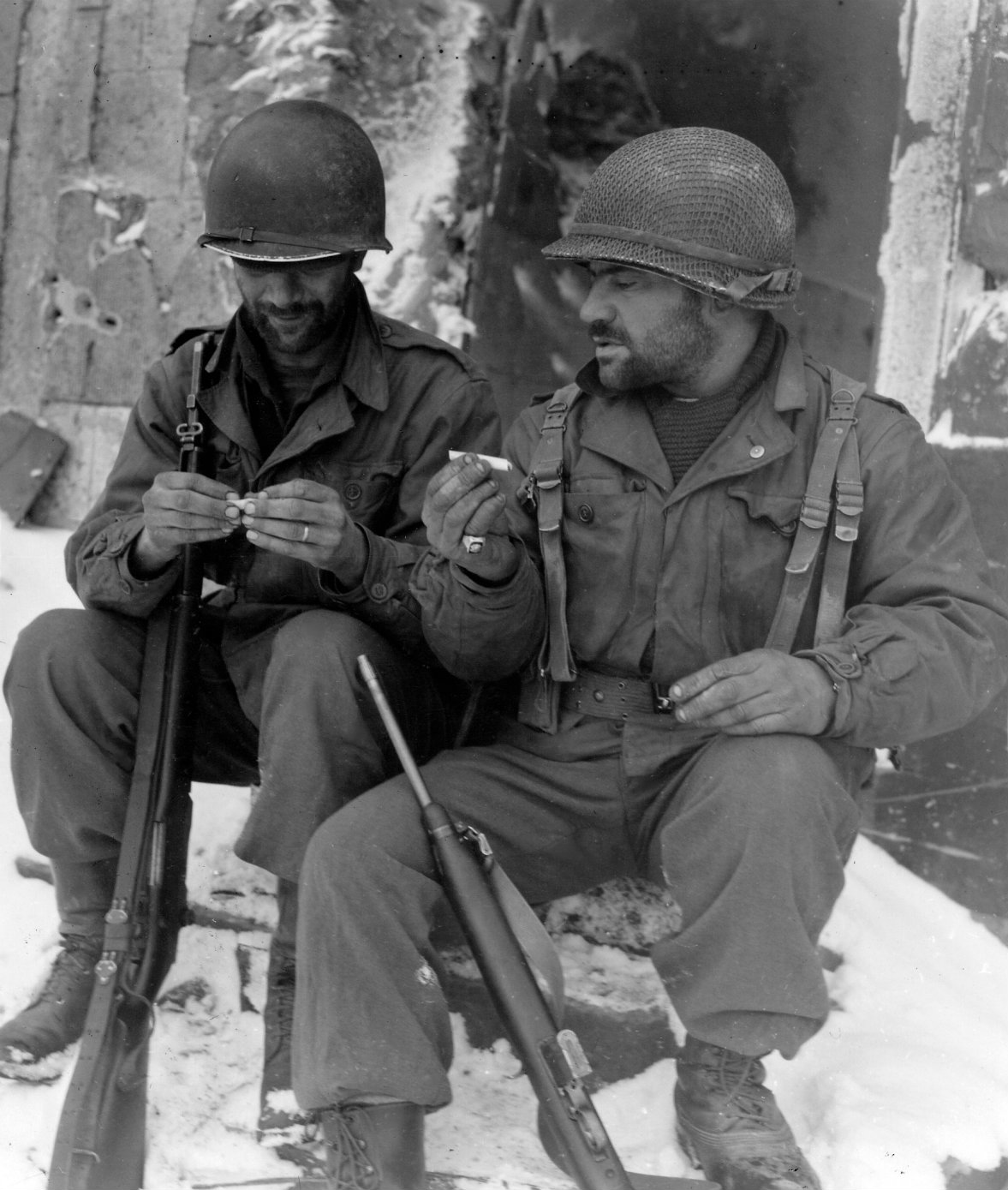
During the next two days, there were numerous indications that the enemy was preparing a counter-blow to arrest the advance along the III Corps Front. On the morning of December 30, the 35-ID reported a small counter-attack in the vicinity of Lutrebois, which, during the day developed into a major offensive with at least one regiment of infantry reinforced with tanks. Bitter fighting continued all day, costly to both sides, but with no substantial change in front lines. Later in the day the enemy counter-attacked in the 26-ID, striking the 3/101, with considerable force, causing disorganization in the Item and King Cos areas. The situation was fairly stable during the night, but the enemy struck again with fury at 0530 on the morning of December 31. The battle was similar to that in the zone of the 35-ID on the previous day, and fierce fighting raged all day in the zones of both infantry divisions as the Germans battled to regain the offensive.
Neither side could claim any major advances and, at the end of this second day of violent battle, the situation still remained unsettled. In the Yankee Division zone, the brunt of the attack fell full upon the 3/101. Able Co 101-ECB was alerted to go into battle, as infantry, to support the 3/101, and the 2/101 sent George Co around to the left of the 3/101 to relieve the pressure. Able Co 735-TB was unable to assist because of the icy roads. The Division Commander then ordered the 3/238 to position in-depth behind the 3/101. After containing the counter-attack the division reorganized and established defensive positions during the night December 31 – January 1.

 During the first week of January 1945, infantrymen of the Yankee Division engaged in a series of attacks towards the Wiltz River, with little success in breaking up the deadlock that now characterized the entire Corps front. The III Corps was endeavoring to reduce the German pocket in the general area Tarchamps-Bras-Doncols-Berlé, but every effort of the 35-ID and the 26-ID, secured little or no advantage. The 6-AD was meeting heavy resistance in the vicinity of Wardin (Belgium) and Mageret (Belgium). It was during this period that our troops experienced an attack by Screaming Mamies rocket, known as the nebelwerfer. This weapon delivered on our troops a barrage of thirty to forty rockets, simultaneously detonating with a powerful concussion.
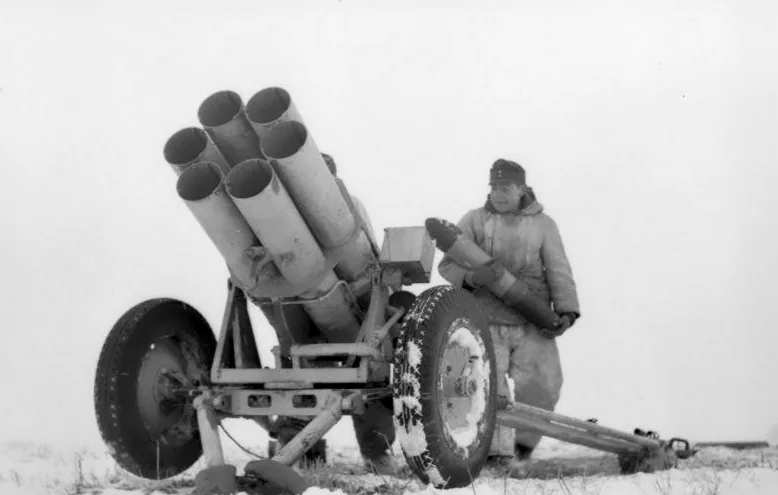
Many men of the YD will remember the cold night of January 3/4 when the Germans sent large concentrations of nebelwerfer fire into the Division zone. Further discomfort was contributed by the near zero and sub zero temperatures, the snow-covered, frozen ground, and waist high snow drifts. In the period of January 1/4, a succession of bitter attacks and counter-attacks took place approximately one kilometer north of the village of Nothum at the Schumannseck Crossroads, at which point the main road from Bastogne to Wiltz was threatened. On January 2, the 101-IR, with the 3/328 attached, jumped off in an attack to secure the Schumannseck Crossroads and the Hill 490 beyond.
 The 2/101 and Charlie Co (1/101) were halted early in the attack by heavy enemy fire from enemy tanks and automatic weapons. The 3/328 was employed to strengthen the attack, but the stalemate was never eliminated. Although our troops reached Hill 490 several times, counter-thrusts by the enemy forced our withdrawal. Other elements of the division, endeavoring to push forward, were forced back to original positions. During the period of January 5/8, elements in the division maintained defensive positions and regrouped in preparation for continuation of the attack on Corps order. The 90-ID was assembling in the Corps zone, prepared to attack along the left flank of the 26-ID, making the Corps main effort to eliminate the enemy pocket.

 Task Force Scott was formed on January 7, consisting of the 101-IR, 101-FAB, Battery A, 390-AAA Bn, 26 Recon Troop (less 3d Platoon), one Platoon Able 101-ECB, Able Co (less one Platoon), 818-TDB, two Platoons 735-TB, Able 114-MD (Medic). The 2/101 remained on the left flank of the division zone, and the remainder of Task Force Scott moved by motor to vicinity Baschleiden to relieve elements of the 35-ID on line around Harlange. Through this area, the 90-ID was to launch its attack, with the main body of the YD on its right and Task Force Scott on its left.
At 1000 on January 9, the attack jumped off along the Corps front with only minor gains in the 26-ID zone due to the well-defended enemy positions. Task Force Scott attacked with the 1/101 and the 3/101 abreast, but elements of the German 5.Fallschirmjäger-Division resisted fiercely. The 3/101 was able to reach the high ground east of Tarchamps, in conjunction with Task Force Fickett (6-Cav Group). While Task Force Fickett was battling to collapse enemy resistance in the base of the pocket, the 90-ID had captured Berlé and was advancing on Doncols.
The 6-AD had gained 1200 yards to the southeast. The attack was continued on January 10 and January 11 with the 90-ID seizing Doncols and Sonlez after these towns were pounded by air and artillery. On January 12, as a result of being hammered by the coordinated attack from all sides, the enemy’s defenses began to crumble. The 6-AD had captured Wardin and advanced to a few hundred yards west of Bras, pinching off the pocket between it and the 90-ID. Task Force Scott mopped up the enemy in the area around Harlange and then, with its mission completed, reverted to normal functions in the Division zone. The 101-IR moved by motor into an assembly area in the vicinity of Hierheck on January 12, for reorganization and rehabilitation. The 104-IR and 328-IR continued to maintain defensive positions overlooking Wiltz and Winseler, patrolling along the Wiltz River.
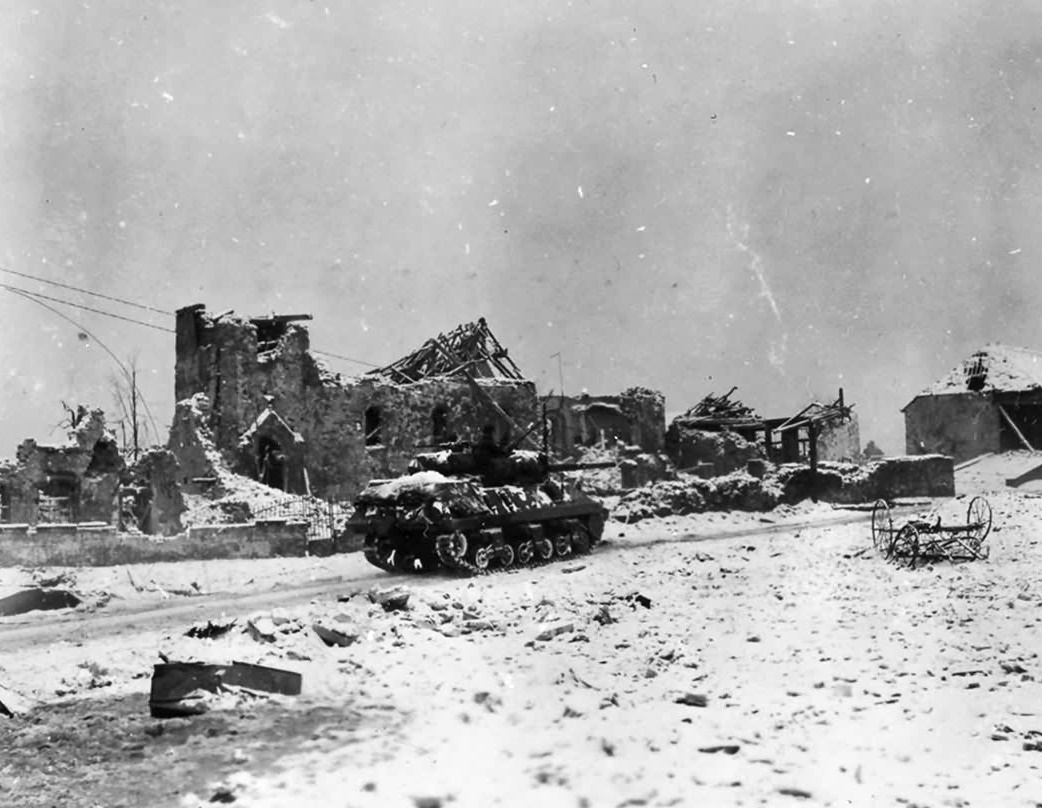
During the week of January 13/20, the situation in the 26-ID zone remained stable with periodic relieves of front line battalions. Some limited attacks were made to eliminate enemy forces south of the Wiltz River, and patrol activity was constant. In the remainder of the III Corps sector, the 90-ID and the 6-AD continued to make small gains, which still were resisted vigorously by the enemy. By January 20, however, the overall picture of the von Rundstedt offensive showed the Bulge to be no longer such. First Army troops had pushed down from the north and joined the Third Army forces in a squeeze that completely destroyed the German penetration, enabling both Armies to move to the east and drive the enemy back into the Siegfried Line. In this final stage of the campaign, the mission of the 26-ID was to cross the Wiltz River, secure Wiltz, and continue to drive the enemy eastward. In preparation for the attack, the 101-IR relieved elements of the 328-IR in the right portion of the zone. During the night of January 20, the 3/328 crossed the Wiltz River and secured a bridgehead while engineers constructed a bridge, northwest of Grumelscheid.
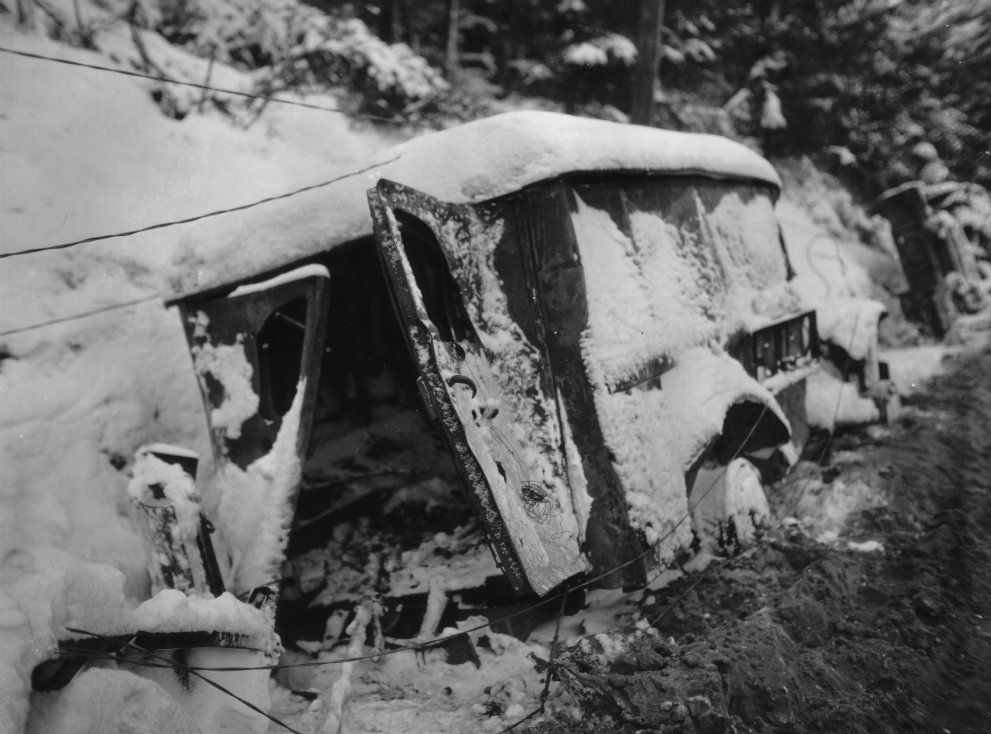
On January 21, at 0800, the Corps attack jumped off. In the 26-ID zone, two regiments attacked abreast, the 328 on the left and the 101 on the right. The 2/101 led the infantry advance across the river, followed by the 3/101. The 2/101 cleared Brühl and Noertrange, organizing the high ground vicinity Noertrange. The 1/101 crossed the Wiltz River, entered Wiltz from the north and northwest, clearing that portion of the city north of the river by nightfall. In the attack of the 328-IR, the 2/328 secured Grumelscheid while the 1/328 advanced rapidly to the high ground vicinity Brachtenbach. The regiment thus gained approximately seven kilometers over steep snow-covered hills and roads that were blocked and mined. The 101 also reported encountering numerous booby traps and mines in its attack on Wiltz.
The Division continued the attack to the east towards the Clerf River on January 22, with the 3/101 capturing Eschweiler, in conjunction with the 6th Cav Group. By the following day, with little resistance, the enemy was cleared from the Division zone up to the Clerf River. On January 24, the 101-IR and the 328-IR launched the attack to cross the Clerf River. Considerable enemy fire was received by the 1/328 and the 3/328 as they attempted to find crossing sites along the Clerf River. The 1/328 cleared Urspelt by 1200 on January 25. The first elements of the division to reach the east bank of the Clerf River were from the 3/101. The 1/101, attacking with elements of the 6th Cav Group succeeded in clearing Clervaux. By January 25, the Battle of the Bulge was rapidly drawing to a close with enemy withdrawing his forces to the east bank of the Our River, into Germany and the Siegfried Line.

Throughout the Ardennes Campaign, various enemy units were encountered, including the 5.Fallschirmjäger-Division, the 276.Volksgrenadier-Division, the 9.Volksgrenadier-Division, the 340.Volksgrenadier-Division, the 167.Volksgrenadier-Division, and 1.SS-Panzer-Division (LSSAH).

 On January 25, the III Corps was notified that the 26-ID was to pass to the command of XX Corps in France. The 17-A/B was directed to effect the relief of the 26-ID and elements of that division began to arrive on January 26. The 104-ID, which had remained in successive reserve areas from January 19, departed from the vicinity of Niederwiltz (Luxembourg) on January 27, and moved by motor to the XX Corps area of the 95-ID zone. During the afternoon and night of January 27, the relief of the 328-IR and the 101-IR was executed by elements of the 17-A/B and the 6-AD.
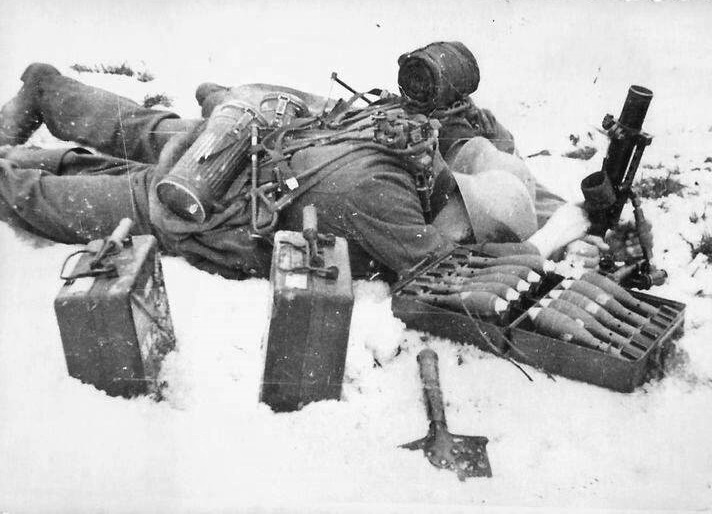
 On January 28, the main body of the division began moving to the vicinity of Boulay (France). Thus closed the Ardennes Campaign for the Yankee Division. Thirty-six days from the cold morning in December when the fighting infantry had headed north to go battling against German fanatic forces who had delivered defeat and cruel death to many in their path. The 26-ID played a leading part in the campaign, engaging in more costly, bloody, violent battles than had yet been met in fighting the Germans.
Places like Eschdorf and the woods at the Schumann Mount will always be remembered with a grim sadness by those who know how dearly we paid to wrest our victory from the enemy.

(Above) Lt Col George B. Randolph, Commanding Officer of the 712th Tank Battalion, lies in the snow between two American tanks in Nothum. He was killed by shrapnel from German artillery on the morning of January 9, 1945.

 On January 20, 1945, Gen George S. Patton, the Commanding General of the US Third Army, wrote a letter of commendation to all the officers and the men of Gen Robert Pat White’s III Corps:The speed with which the III Corps assembled, the energy, the skill, and the persistence with which it pressed its attack for the relief of the city of Bastogne (Belgium), constitute a very noteworthy feat of arms.
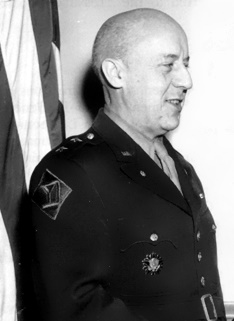
Gen Willard S. Paul, the Commanding General of the US III Corps added these words for the men of the 26-ID: When you initially attacked for seven days and nights without halting for rest, you met and defeated more than twice your own number. Your advance required the enemy to turn fresh divisions against you, and you, in turn, hacked them to pieces as you ruthlessly cut your way deep into the flank of the Bulge. Your feats of daring and endurance in the sub-freezing weather and snow-clad mountains and gorges of Luxembourg are legion; your contribution to the relief of Bastogne was immeasurable. It was particularly fitting that the elimination of the Bulge should find the Yankee Division seizing and holding firmly on the same line held by our own forces prior to the breakthrough. I am proud of this feat by you as well as those you performed earlier.
We shall advance on Berlin together.