



#ANPPN1A #Beacon #Normandy #Airborne #060644 #eureka/rebecca
Document Source: United States War Department, Technical Manual, TM-11-1140A Confidential, Beacon Transmitter-Receiver AN-PPN-1A, War Department, May 16, 1944.

 INTRODUCTION
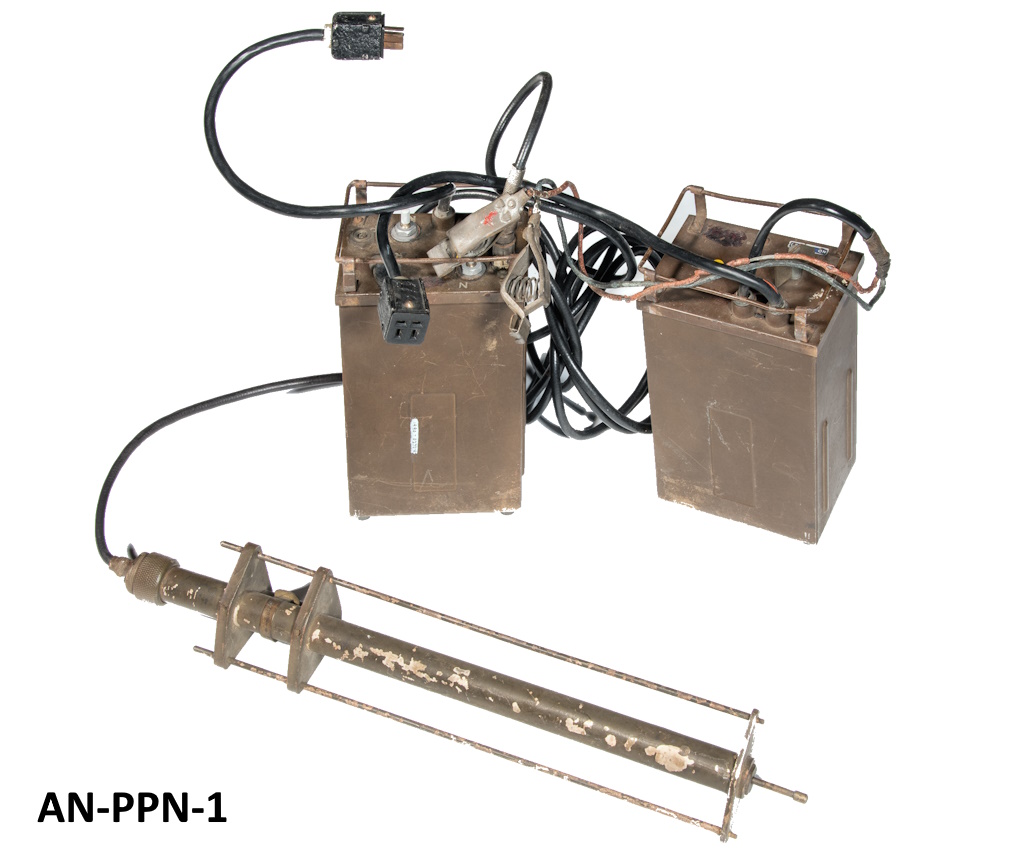 The Beacon Transmitter-Receiver AN-PPN-1A, also known as the AN/PPN-1A, was a radio navigation system developed and used during World War II. Its purpose was to provide accurate navigational assistance to military aircraft. The AN/PPN-1A was developed by the United States Army Air Forces (USAAF), which was the predecessor of the modern United States Air Force. It was primarily used by the USAAF and its allies during the war. The system consisted of a ground-based beacon transmitter and an aircraft receiver. The beacon transmitter emitted radio signals that aircraft could pick up and use for navigation. The receiver on the aircraft would receive and interpret these signals, allowing the pilot to determine their position in relation to the beacon. By using the AN/PPN-1A, pilots could navigate accurately, even in poor weather conditions or at night when visual navigation was challenging. The system played a crucial role in enabling aircraft to find their targets, locate friendly forces, and navigate safely during combat operations. The AN/PPN-1A was widely deployed during World War II, especially in Europe and the Pacific theaters. It was used extensively by bomber crews and other aircraft involved in strategic bombing campaigns, reconnaissance missions, and air support operations. The system helped improve navigation and contributed to the overall effectiveness of military air operations during the war.
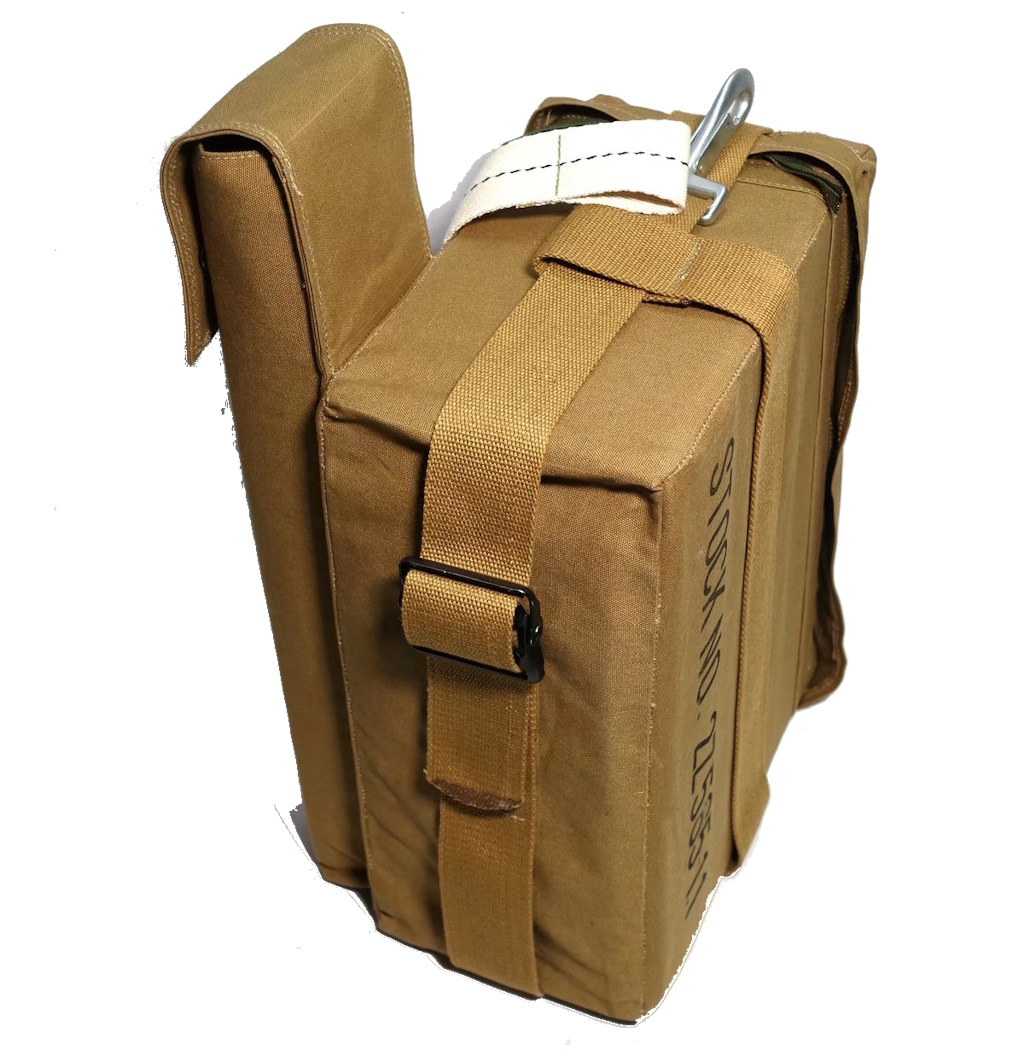 The AN/PPN-1A system was not specifically developed or released for paratroopers. It was primarily used by aircraft for navigation purposes during World War II. Paratroopers typically relied on different methods of navigation, such as celestial navigation, dead reckoning, and visual landmarks, to guide their descent and navigate to their intended drop zones. These methods did not involve the use of the AN/PPN-1A system. Paratroopers’ navigation techniques evolved over time, and advancements in technology, such as GPS, were introduced in later years to enhance their capabilities. However, during World War II, paratroopers did not have access to the AN/PPN-1A system for their navigation needs. During World War II, the AN/PPN-1A system was not released to the troops as a piece of standard-issue equipment. It was primarily utilized by aircraft for navigation purposes, as I mentioned earlier. The AN/PPN-1A was a specialized radio navigation system used by the United States Army Air Forces (USAAF) and its allies during the war. It was installed on specific aircraft to aid in their navigation, particularly in poor weather conditions or at night. While troops on the ground benefited from various forms of radio communication and navigation systems, the AN/PPN-1A was not standard equipment issued to individual soldiers or ground troops during World War II. Its usage was predominantly limited to aircraft for aerial navigation.
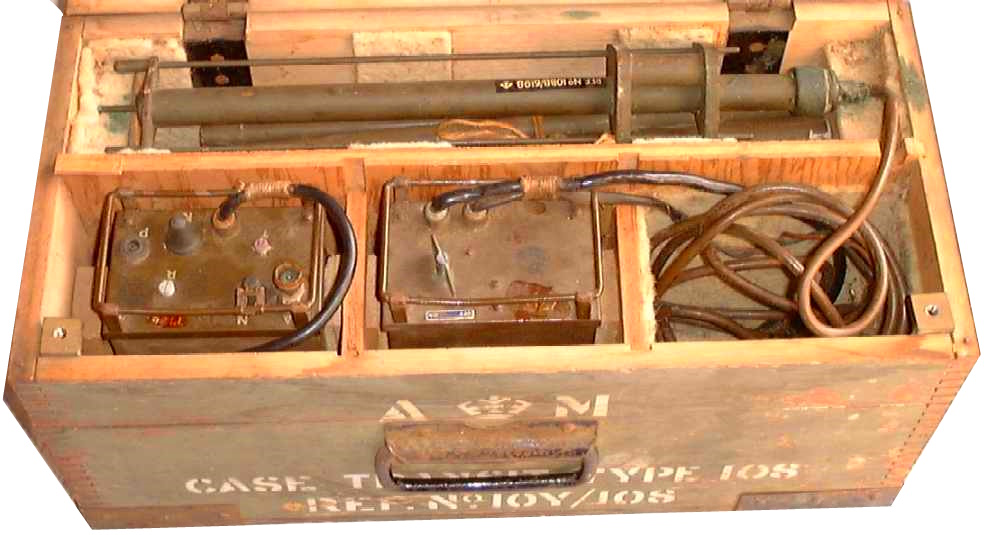
The Eureka/Rebecca system was a ground-based navigation system. It was designed to assist aircraft, specifically bombers, in accurately locating their targets and dropping their payloads with precision. The Eureka system consisted of a ground-based transponder, or responder, and an airborne receiver. The ground transponder emitted a series of pulses, which were picked up by the aircraft’s receiver. The receiver measured the time it took for the pulses to travel from the ground to the aircraft and used this information to calculate the distance between the two. By knowing the distance between the aircraft and the ground transponder, the crew could determine their position along a predetermined course line. This allowed the aircraft to navigate accurately, especially in low-visibility conditions. Rebecca was the name given to the airborne receiver component of the system. It received the pulses from the ground transponder and provided the crew with the necessary information to navigate along the predetermined course line. As well as the AN/PPN-1A, the Eureka/Rebecca system was widely used by Allied bombers during World War II, particularly in operations such as strategic bombing campaigns and pathfinding missions. It significantly aided bomber crews in accurately locating and attacking their targets, improving their effectiveness and reducing the risk of collateral damage. It’s worth noting that the Eureka/Rebecca system was separate from the AN/PPN-1A system mentioned earlier. The AN/PPN-1A was a different radio navigation system used for aircraft navigation, while Eureka/Rebecca was primarily used for target location and bombing accuracy.
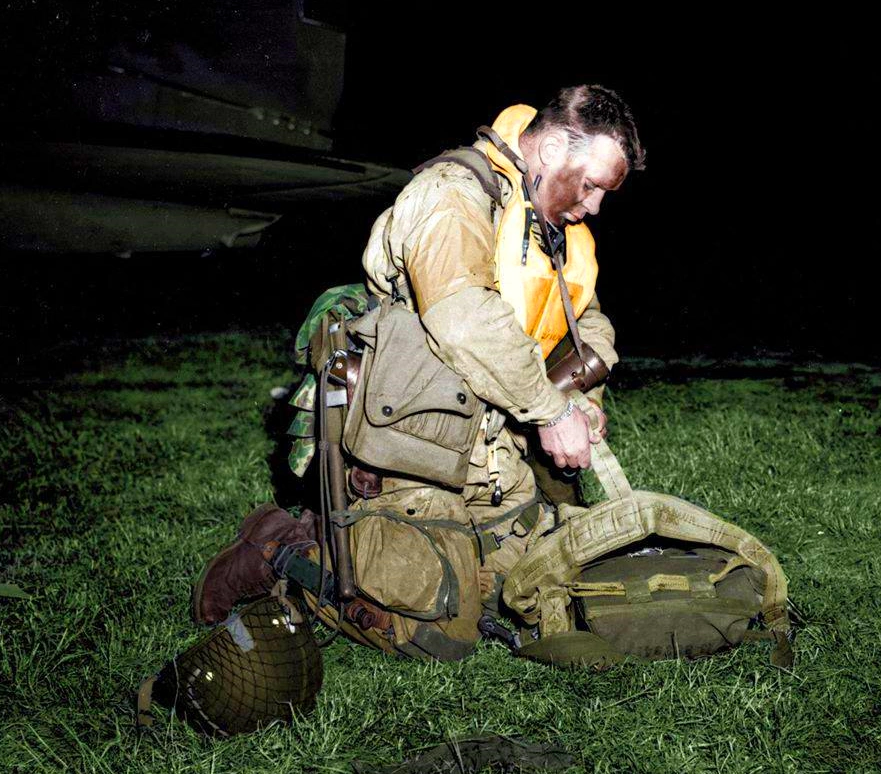
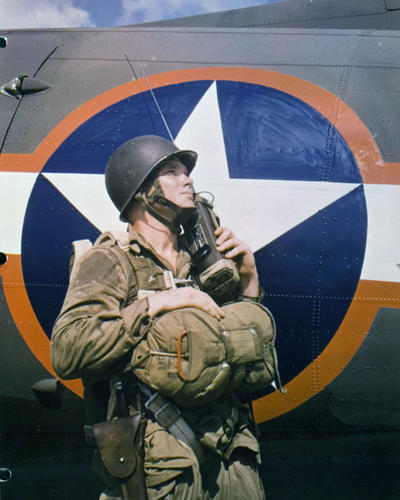 On June 6, 1944, during the Normandy invasion, the American Airborne Pathfinders utilized several types of radio communication equipment to support their operations. The specific radio communication equipment used by the American Airborne Pathfinders on D-Day included: SCR-536 Handie-Talkie: The SCR-536, also known as the “Handie-Talkie,” was a compact and portable handheld radio commonly used by American forces. It allowed for short-range communication within the Pathfinder teams and with other nearby units. SCR-300 Backpack Radio: The SCR-300, also called the “Walkie-Talkie,” was a lightweight, backpack-mounted radio set. It provided longer-range communication capabilities and was employed by the Pathfinders to maintain contact with their command, coordinate with other airborne units, and relay important information. AN/PRC-6: The AN/PRC-6 was a compact, battery-operated handheld radio used for short-range communication. It was widely used by American airborne forces during World War II, including the Pathfinders. It facilitated communication between Pathfinder teams on the ground and with other nearby units. These radio communication devices enabled the American Airborne Pathfinders to establish and maintain communication among their teams, coordinate their actions, relay critical information, and provide guidance for subsequent waves of airborne and amphibious forces involved in the Normandy invasion.
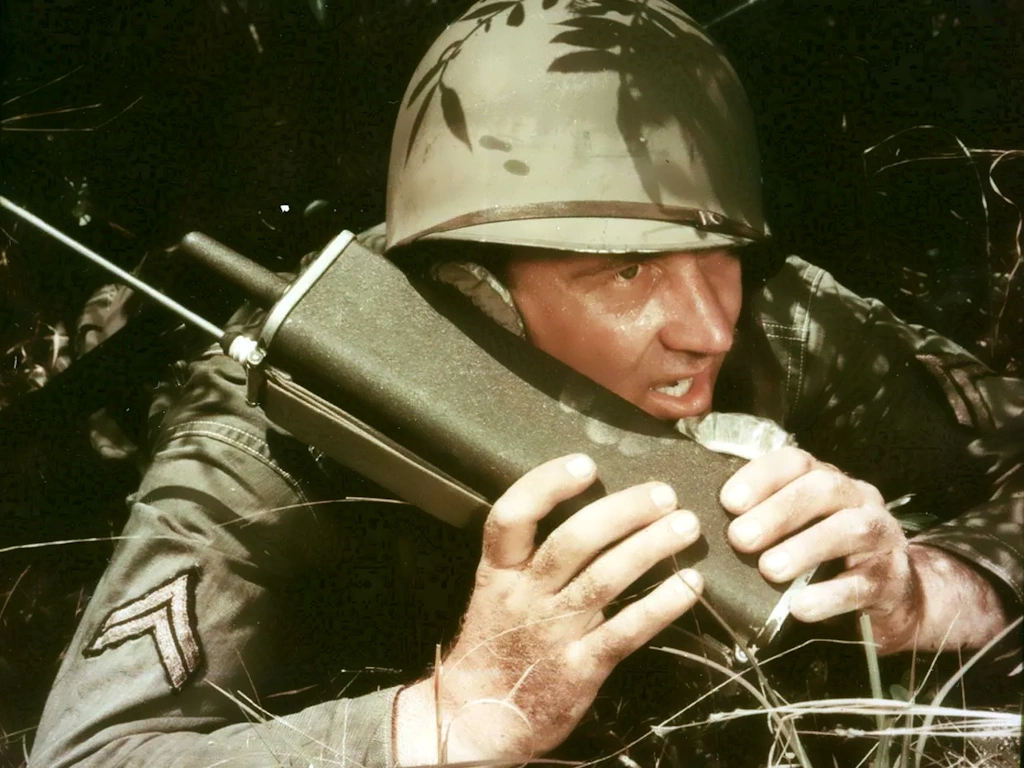
The American Airborne Pathfinders in Normandy on June 6, 1944, used a variety of radio navigation systems to assist in orienting C-47 aircraft to their designated drop zones (DZs). One of the primary systems employed was the Rebecca/Eureka system.
The Rebecca/Eureka system consisted of two components: the Rebecca ground-based transponder and the Eureka airborne receiver. The ground-based transponder, known as Rebecca, emitted signals that could be detected by the airborne receiver, known as Eureka, on the aircraft. The Rebecca ground transponder emitted pulsed signals that were received by the Eureka receiver on the aircraft. By analyzing the time it took for the signals to travel between the ground and the aircraft, the crew could determine their distance from the transponder. This information allowed them to verify their position along the predetermined flight path towards the drop zone. The Pathfinder teams on the ground would set up and operate the Rebecca transponders, while the C-47 aircraft carried the Eureka receivers. This system helped guide the aircraft to the correct location for dropping paratroopers and supplies on the designated drop zones. In addition to the Rebecca/Eureka system, other navigational aids, such as visual landmarks, dead reckoning, and celestial navigation, were also employed by the Airborne Pathfinders and aircrews to ensure accurate navigation and drop zone identification during the D-Day operations.
(Image – http://summerof44.org.uk/oldsite/Menu/Equipment/Eureka/Eureka3b.htm)