


Reviewed by Doc Snafu on April 14, 2026.
Pearl Harbor – December 7, 1941
On the morning of December 7, 1941, the United States Pacific Fleet, anchored at Pearl Harbor, was subjected to a sudden and coordinated aerial assault by forces of the Imperial Japanese Navy. The attack, launched in two main waves, was designed to neutralize American naval power in the Pacific and secure Japanese strategic freedom of action across Southeast Asia.
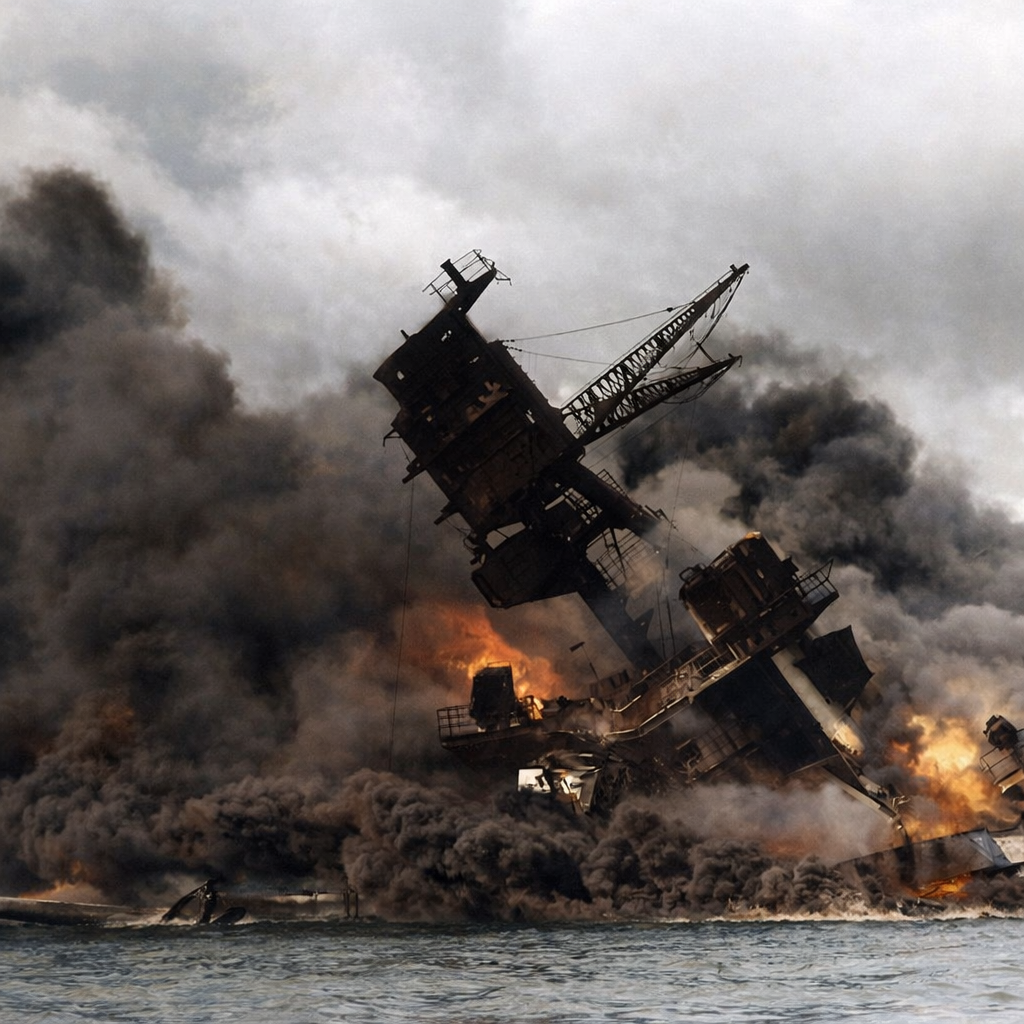
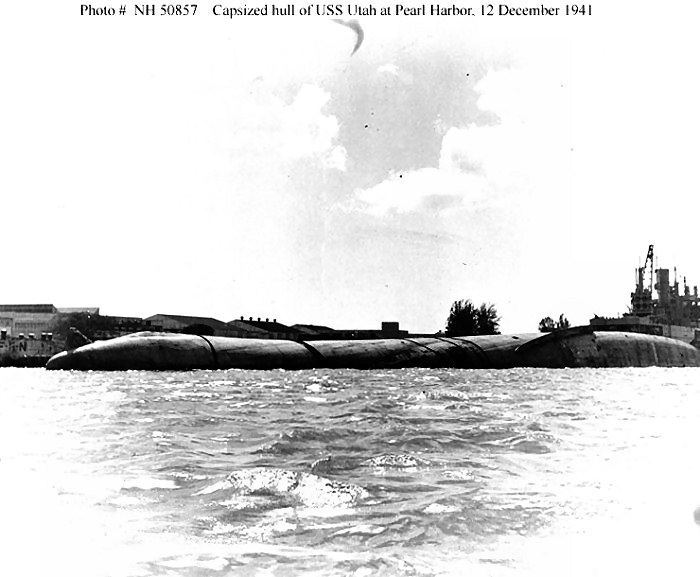
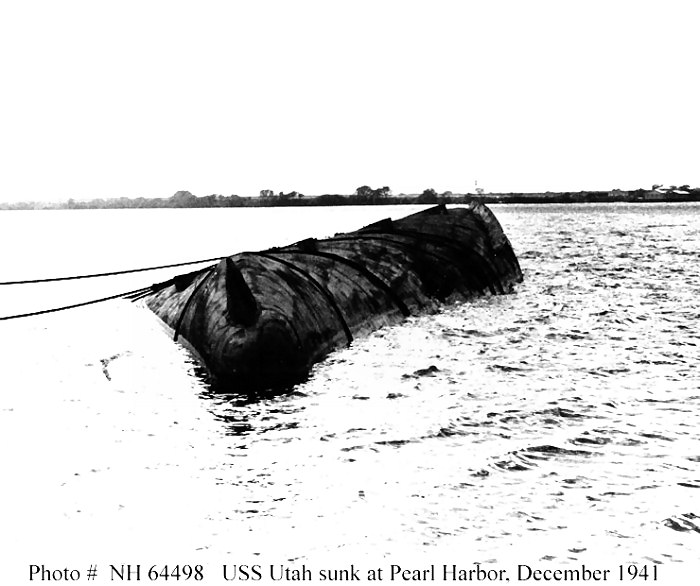
The primary objective was the concentration of battleships along Battleship Row. Vessels such as the USS Arizona (BB-39), USS Oklahoma (BB-37), and USS West Virginia (BB-48) suffered catastrophic damage. The explosion of the USS Arizona, caused by a magazine detonation, resulted in one of the highest single-ship losses of life in U.S. naval history.
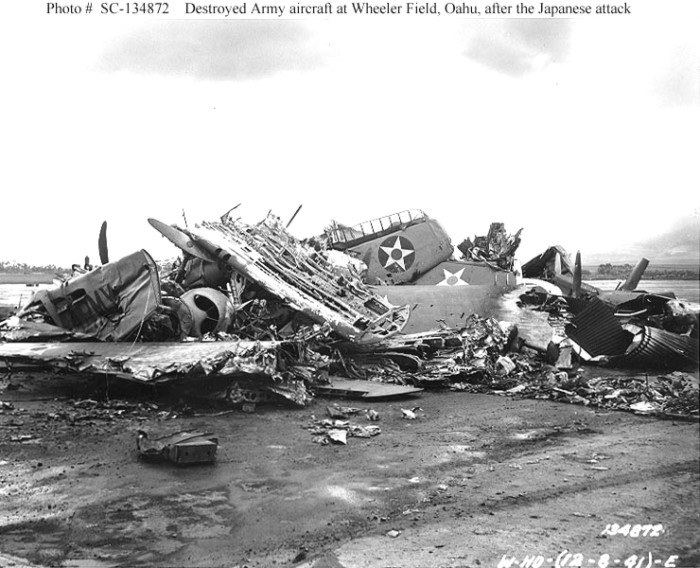
Simultaneously, Japanese aircraft targeted key air installations across the island of Oahu in order to prevent an effective American aerial response. Airfields including Hickam Field, Wheeler Field, Ford Island, and Bellows Field were heavily bombed and strafed. Aircraft were destroyed on the ground in large numbers, many lined up wingtip to wingtip, a precaution against sabotage that proved disastrous under air attack.
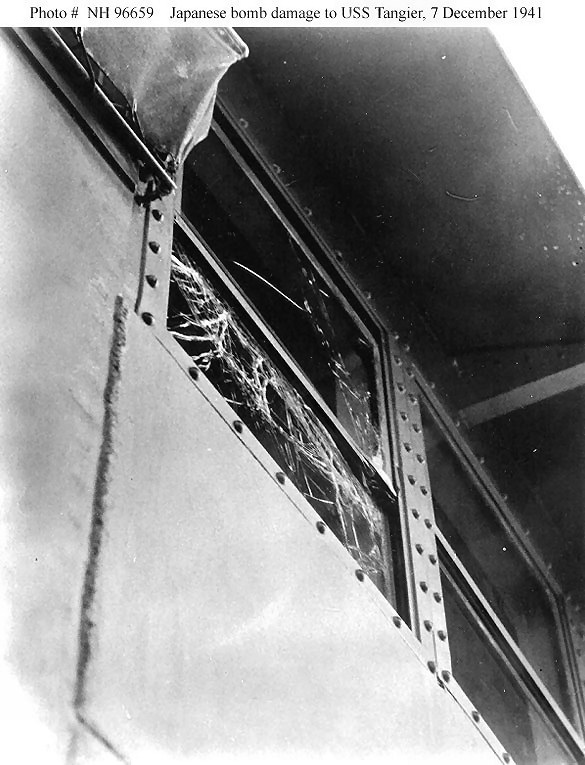
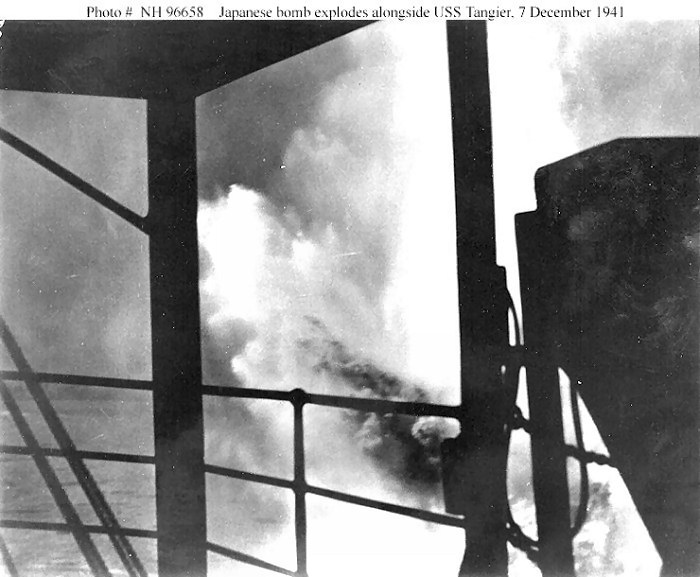
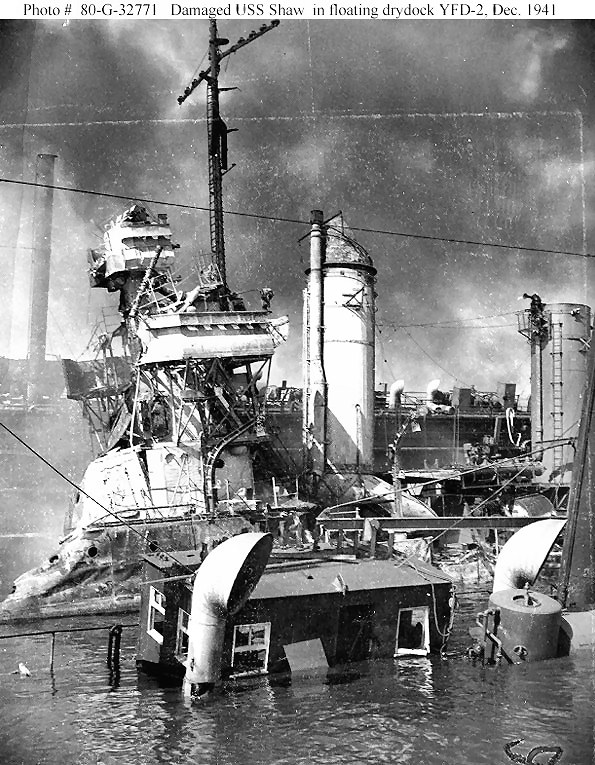
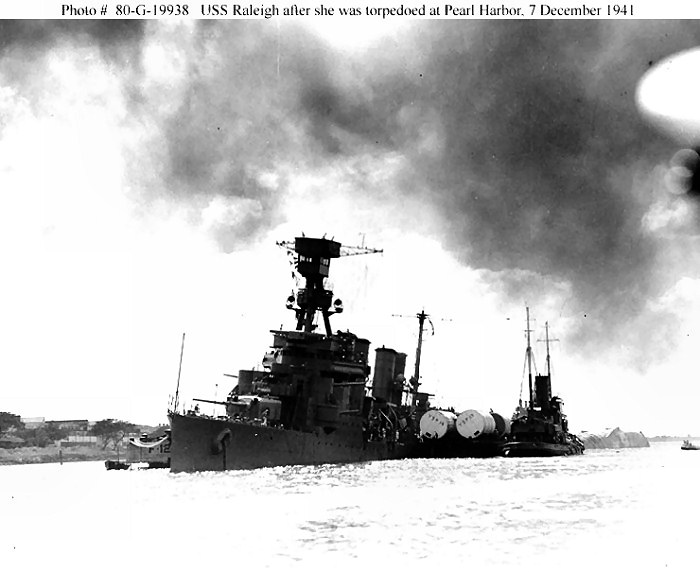
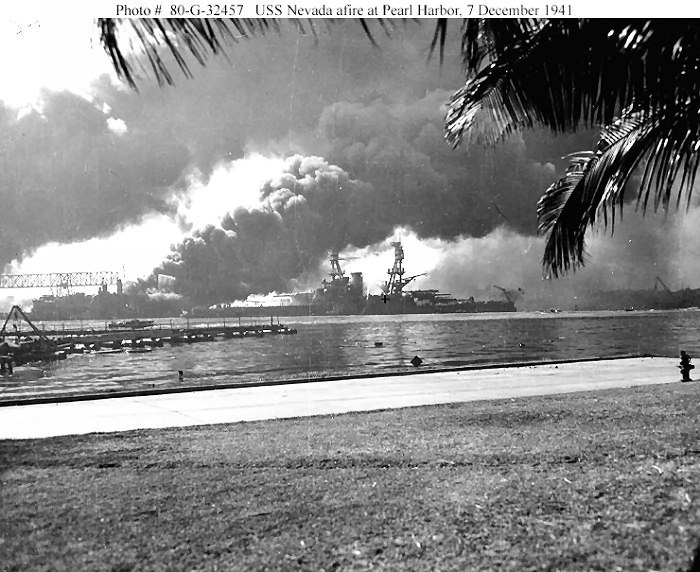
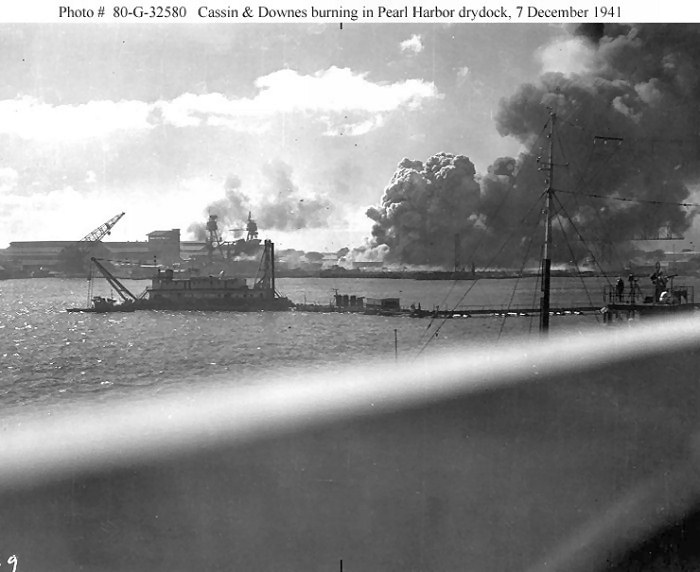
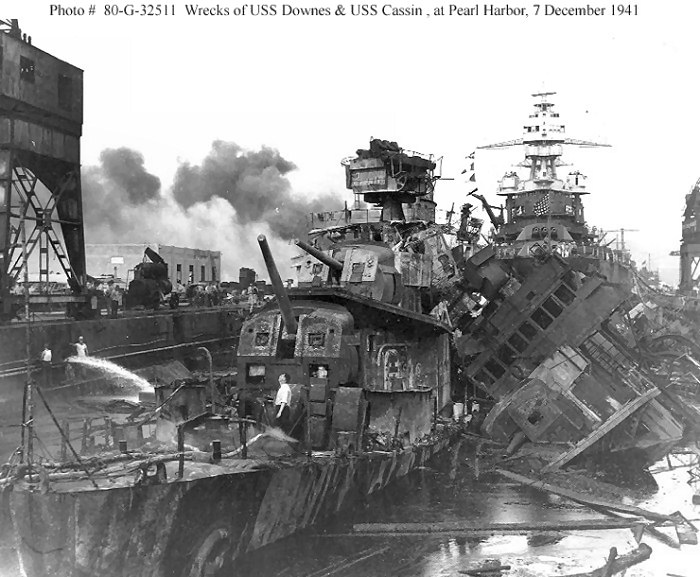
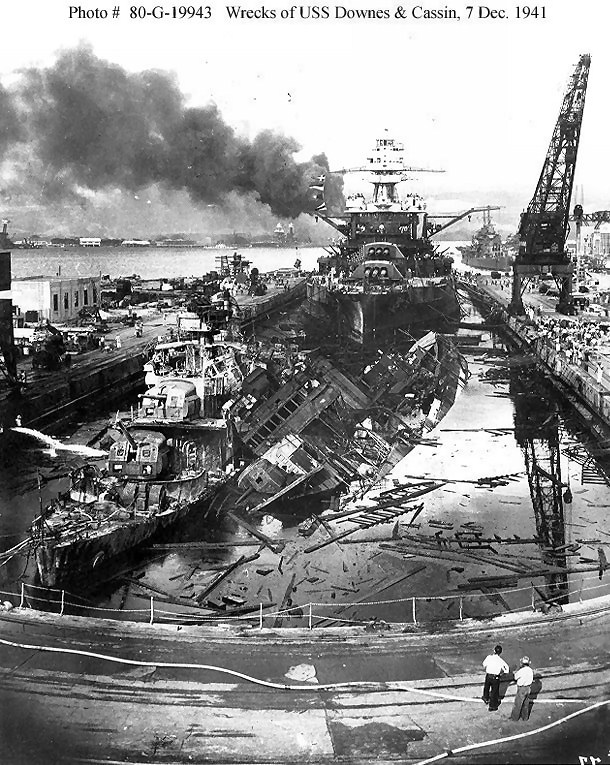
The assault unfolded with speed and precision. Within less than two hours, the Pacific Fleet had been severely crippled. Eight battleships were sunk or damaged, along with numerous cruisers, destroyers, and auxiliary vessels. More than 2,400 American servicemen and civilians were killed, and over 1,000 wounded. Despite the scale of the destruction, critical infrastructure such as fuel storage facilities, repair yards, and submarine bases remained largely intact. These omissions would prove decisive in the months that followed, allowing the United States to recover more rapidly than anticipated. The attack on Pearl Harbor marked a turning point in modern history. On December 8, 1941, the United States formally entered the Second World War, transforming a regional conflict into a global war of unprecedented scale.
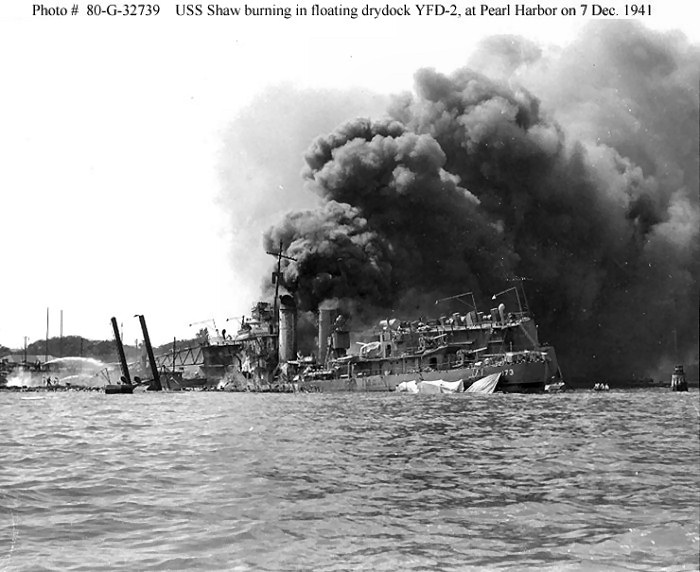
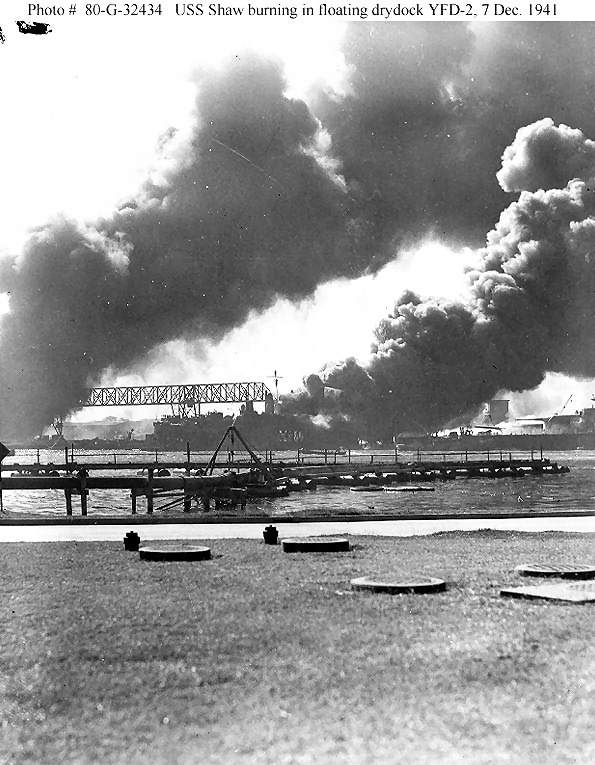
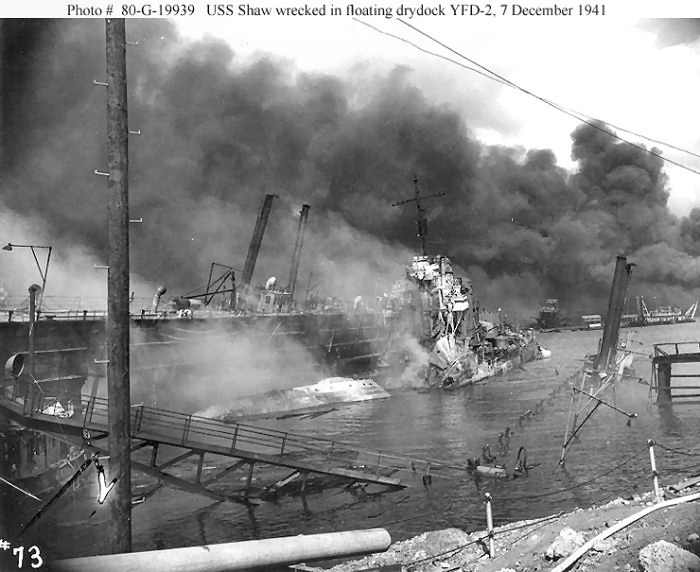
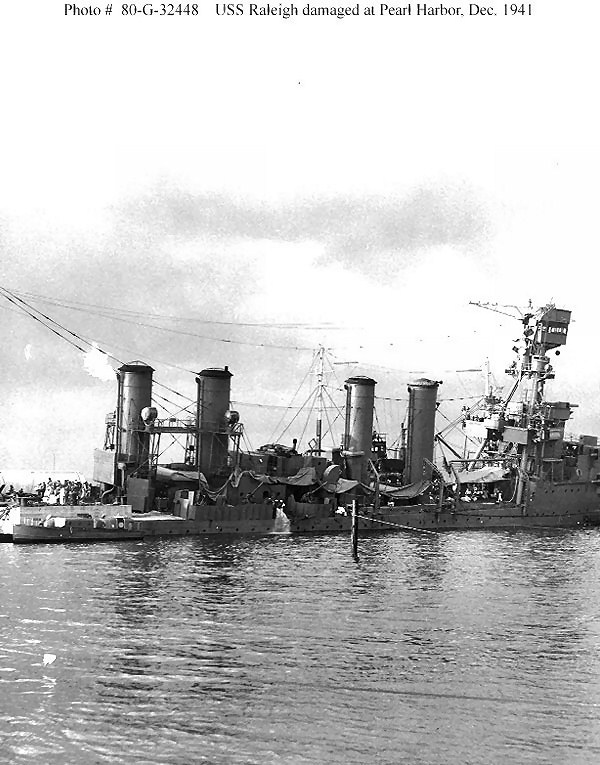
The photographs presented in this collection document the immediate aftermath and operational realities of the attack across multiple sites on Oahu. Captured under conditions of urgency and confusion, they constitute a primary visual record of one of the most consequential military actions of the twentieth century.
The European Center of Military History – Memorial
You do not need to pay because it’s free but If you like this job and want me to continue: 
You do not need to pay because it’s free but If you like this job and want me to continue: