







Reviewed by Doc Snafu on April 14, 2026.
Redstone Arsenal During World War II (1941-1945)
The origins of Redstone Arsenal are deeply tied to World War II and the US military’s urgent need for chemical warfare production. The Arsenal was built in response to the growing global conflict and the possibility that chemical weapons might be used in large-scale warfare.
Establishment of Redstone Arsenal
In early 1941, as the United States anticipated its eventual involvement in WWII, the US Army sought new facilities for producing and storing chemical munitions. The War Department selected Huntsville (Alabama), as an ideal site for such operations due to its: Remote location – reducing the danger to civilians in case of accidental explosions; Proximity to transportation – rail lines and roads connected it to key supply chains; Available land – allowing for large-scale operations with safe distances between facilities.
The U.S. government purchased around 40,000 acres of farmland, displacing local residents in the process. The site was originally divided into two major installations: Huntsville Arsenal – focused on producing and storing chemical weapons and Redstone Ordnance Plant – manufacturing conventional explosives.
By the summer of 1941, construction was underway, and thousands of workers, including engineers and laborers, rushed to build the necessary infrastructure. When the Japanese attack on Pearl Harbor (December 7, 1941) pushed the US into war, production ramped up quickly.
Production and Operations
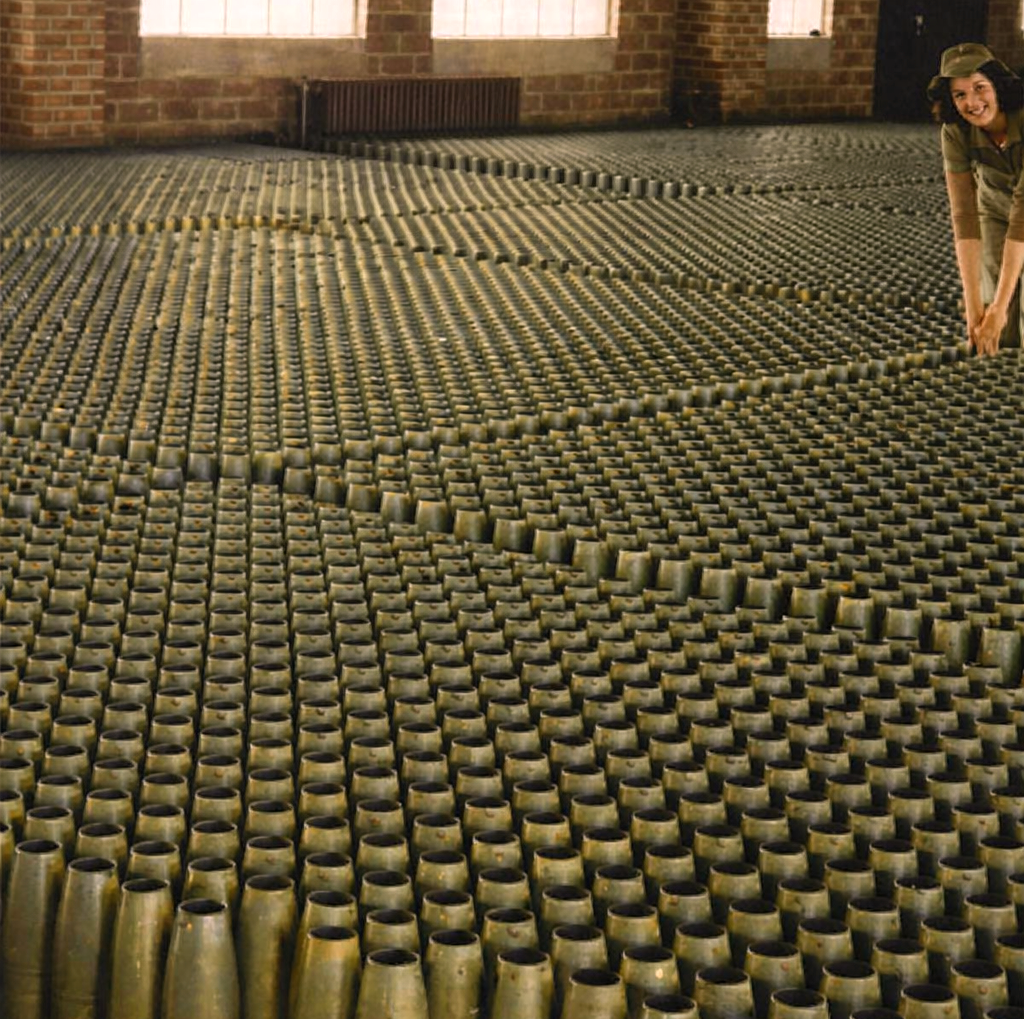
Once operational, Redstone Arsenal became one of the nation’s most important chemical weapons production centers. The site manufactured: Mustard gas – a blistering agent used in chemical warfare; Phosgene gas – a deadly choking agent; Lewisite – a highly toxic blister agent; Incendiary munitions – including white phosphorus bombs.
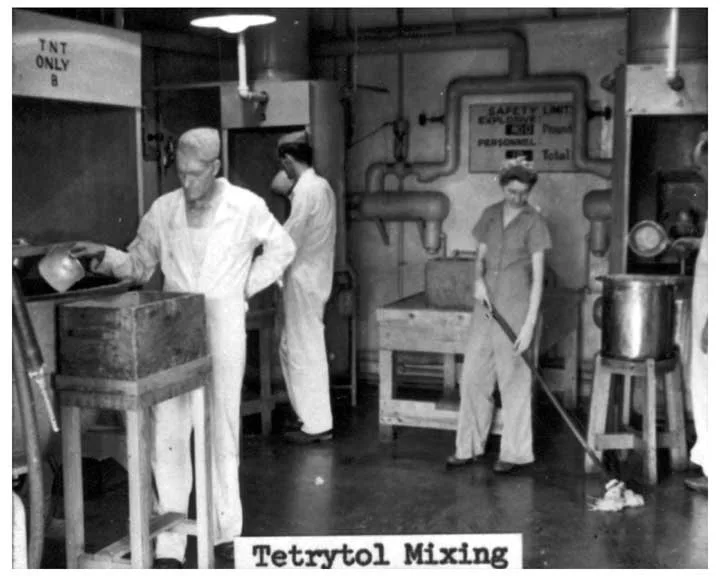
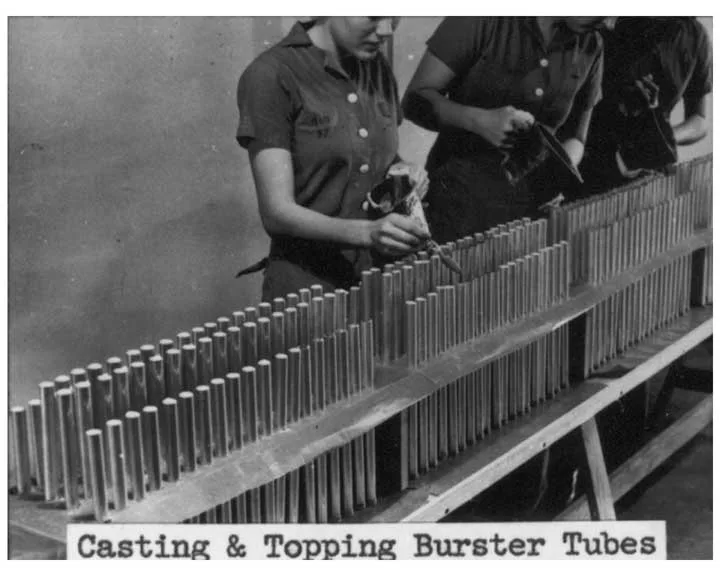
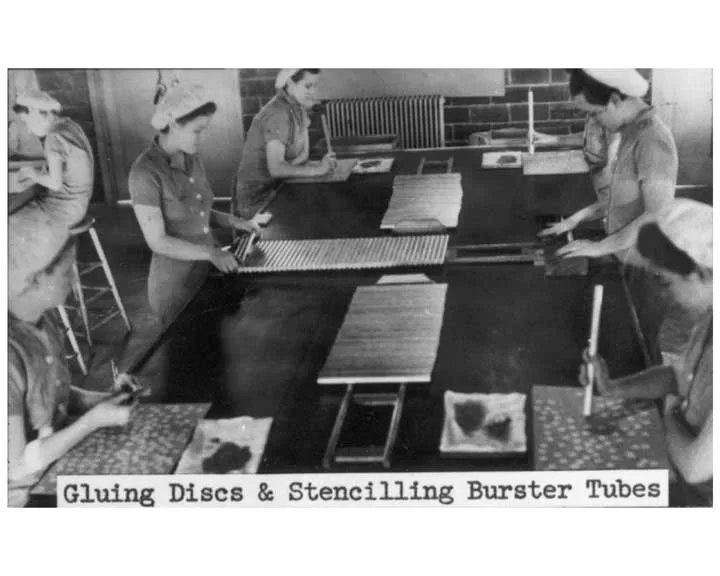
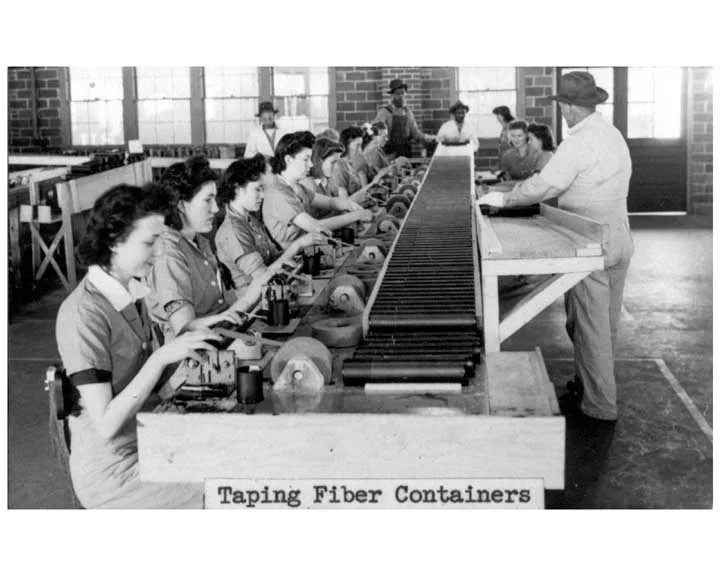
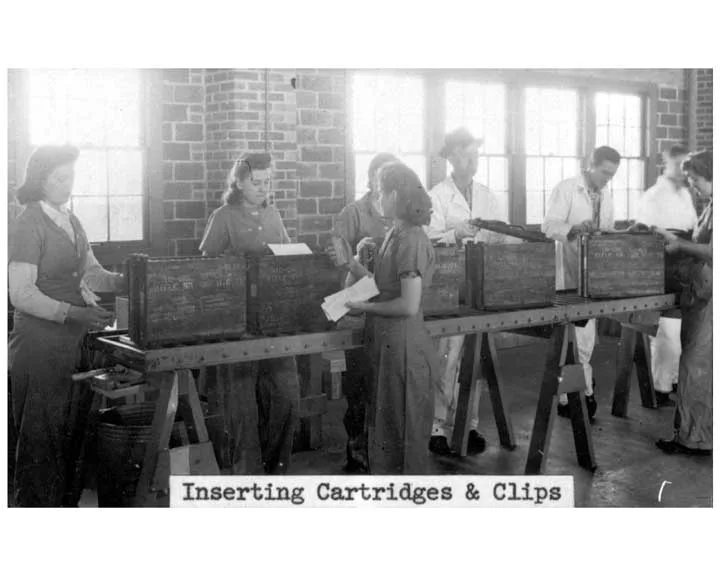
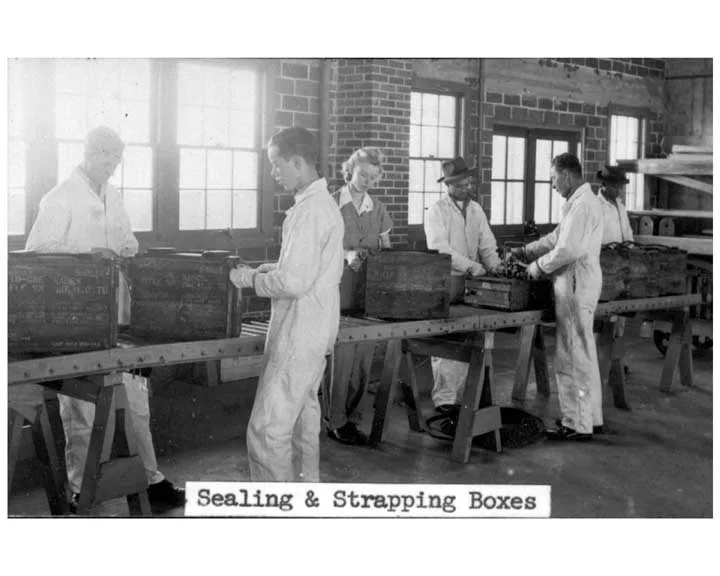
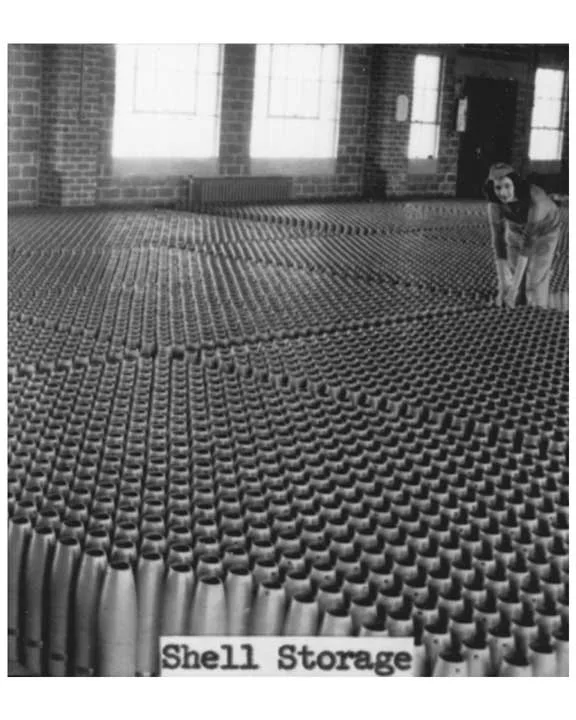
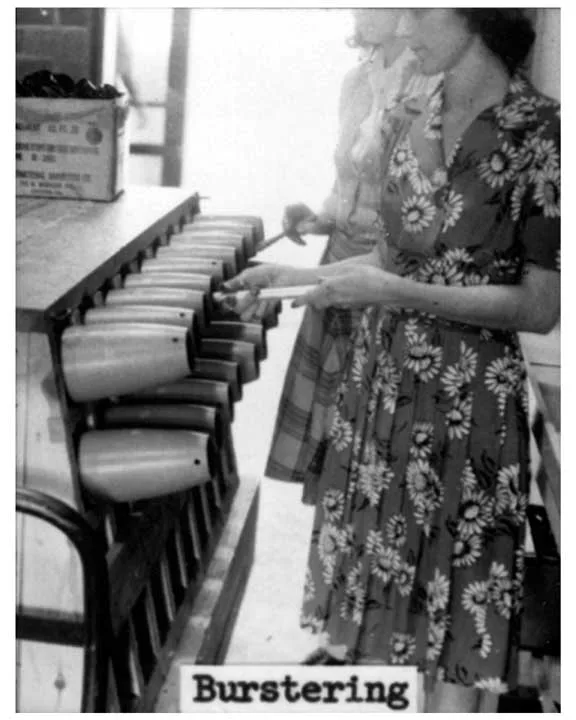
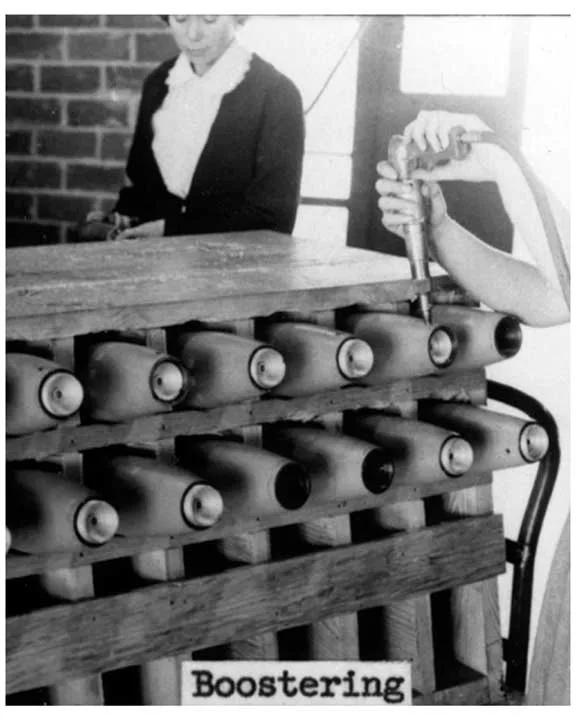
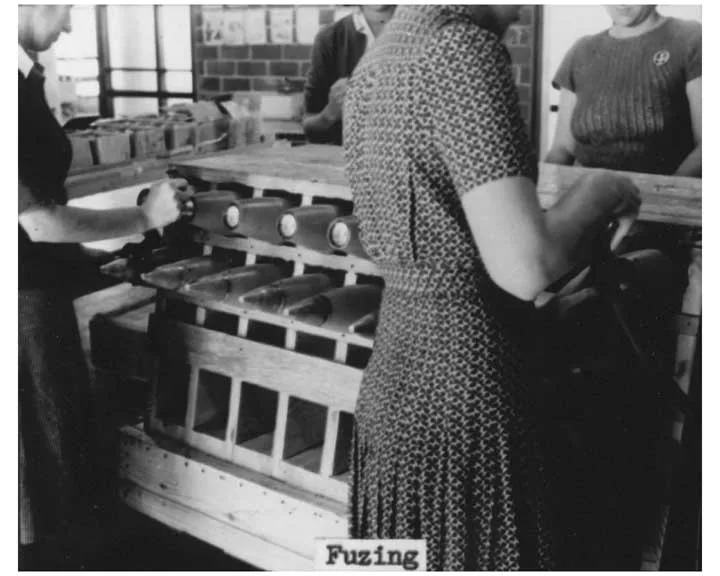
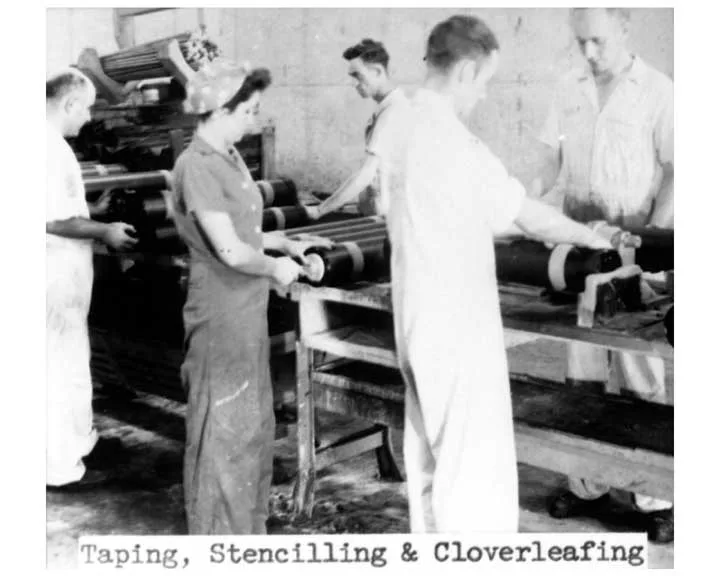
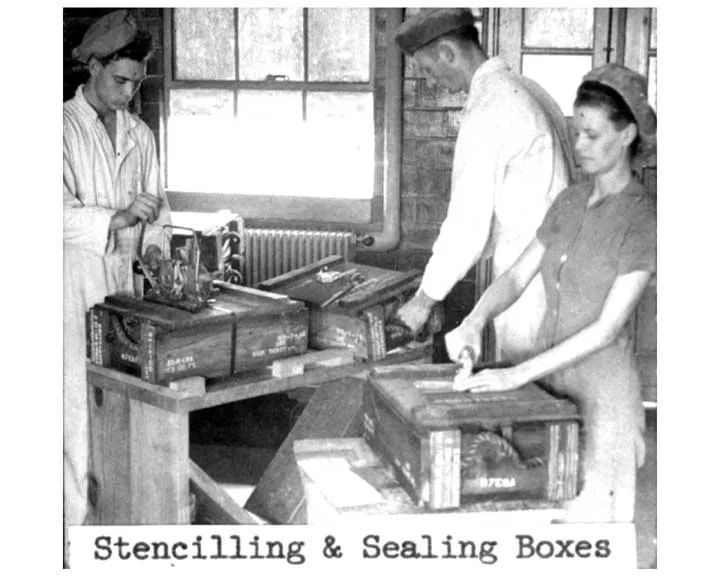
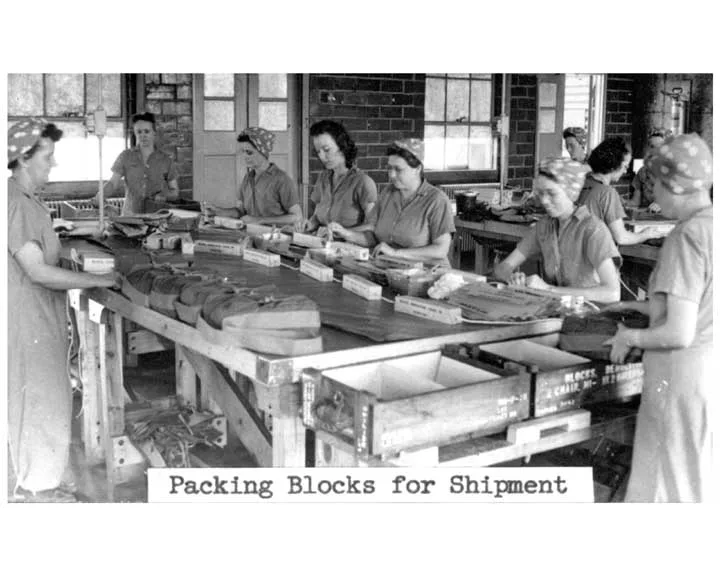
Workers at Redstone Arsenal also assembled artillery shells, grenades, and other explosive ordnance. Due to the hazardous nature of the work, strict safety protocols were enforced. Despite these precautions, accidents and toxic exposures were common, leading to injuries and fatalities among workers.
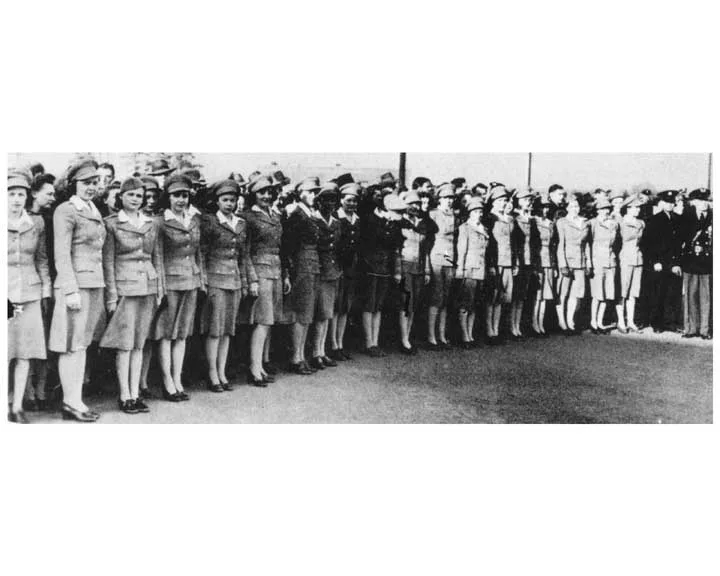
By 1943, at the height of wartime production, Redstone Arsenal employed thousands of workers, including a significant number of women and African Americans, reflecting the broader trend of wartime labor shifts in the US economy. Many of these workers lived in hastily built housing developments around Huntsville, which rapidly transformed from a small Southern town into an industrial center.
War’s End and Post-War Uncertainty
As WWII drew to a close in 1945, the demand for chemical weapons and conventional munitions decreased dramatically. With Germany’s surrender in May and Japan’s surrender in August, Redstone Arsenal faced an uncertain future. The US military began shutting down chemical weapons production, and the workforce was drastically reduced.
By 1946, much of Redstone Arsenal was declared surplus property, and the government considered repurposing or selling the land. However, the site was not abandoned for long. The emerging Cold War and the race for advanced missile technology ensured that Redstone Arsenal would soon take on an entirely new role: a hub for rocket and missile development in the nuclear age.
This World War II period was crucial in laying the foundation for Redstone Arsenal’s later transformation into a missile and space research center. The infrastructure, workforce, and military connections developed during this time made it an ideal location for the next phase of US military and aerospace advancements.
Post-War Shift to Rocket and Missile Development (1945-1950s)
After WWII, the US military saw the strategic potential of German rocket technology, particularly the V-2 rocket developed by Wernher von Braun and his team. These scientists were brought to the US under Operation Paperclip and were stationed at Redstone Arsenal. Their work laid the foundation for American missile development. During the early Cold War, Redstone Arsenal became the home of the Army Ballistic Missile Agency (ABMA). Under von Braun’s leadership, the Redstone missile was developed, becoming the first large American ballistic missile. It was later used to launch the first live nuclear warhead in a test.
Space Race and NASA (1950s-1960s)
As the US and the Soviet Union competed in the Space Race, Redstone Arsenal played a critical role. The Jupiter-C rocket, developed at Redstone, launched America’s first satellite, Explorer 1, in 1958. In 1960, NASA established the Marshall Space Flight Center (MSFC) at Redstone Arsenal. The MSFC, under von Braun, developed the Saturn V rocket, which later powered the Apollo missions, including the historic Apollo 11 Moon landing in 1969.
Cold War Missile Development (1960s-1980s)
Beyond space exploration, Redstone Arsenal remained central to US military missile programs. It was involved in developing: Pershing missiles (tactical nuclear missiles for Cold War deterrence); Patriot missile system (air defense system still in use today); Hellfire missiles (used on attack helicopters).
Modern Role: Space, Defense, and Technology
Today, Redstone Arsenal is a leading hub for US military, aerospace, and cyber technology. It houses: US Army Materiel Command (AMC) – overseeing logistics and equipment supply; US Army Aviation and Missile Command (AMCOM) – focusing on aviation and missile systems; FBI’s new Terrorist Explosive Device Analytical Center (TEDAC) – analyzing explosive threats; NASA’s Marshall Space Flight Center – developing next-generation space systems, including work on the Artemis program, which aims to return humans to the Moon.
Redstone Arsenal has evolved from a WWII chemical weapons plant to a global leader in rocket science, defense, and space exploration. Its legacy includes the birth of America’s space program, key military missile systems, and ongoing innovations in aerospace and security.
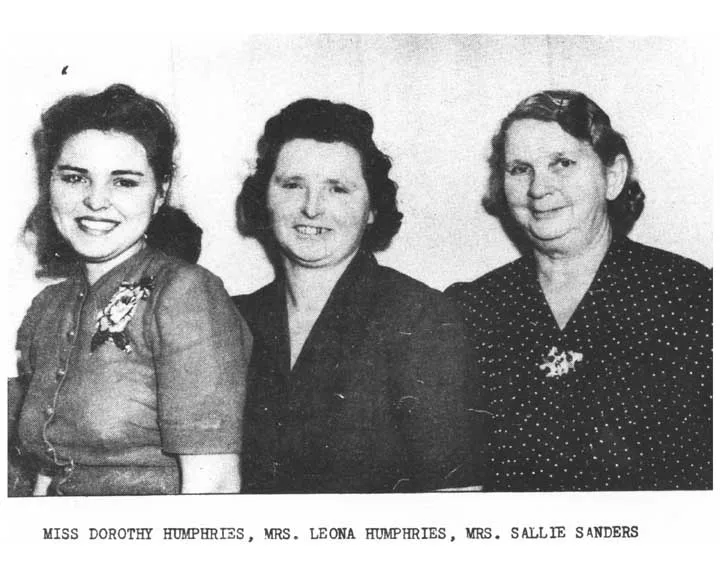
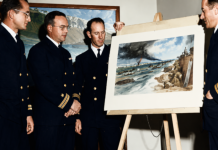
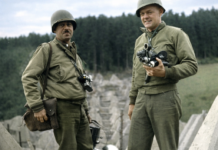
Redstone Arsenal WW-2 Photos